


Alongside new orders specifically designed for ultra-Orthodox units, the Israel Defense Forces is also working on an updated directive governing religion, kashrut and the rights of observant soldiers throughout the military, not just for those in religious or Haredi units.
According to the draft version of the directive, any donation or gift of food will require approval from the Chief military rabbi. The current directive does not address this issue. In addition, every dining hall, kitchen and food vending machine on base will need to be approved by the IDF Rabbinate. Currently, only notification is required, not approval.
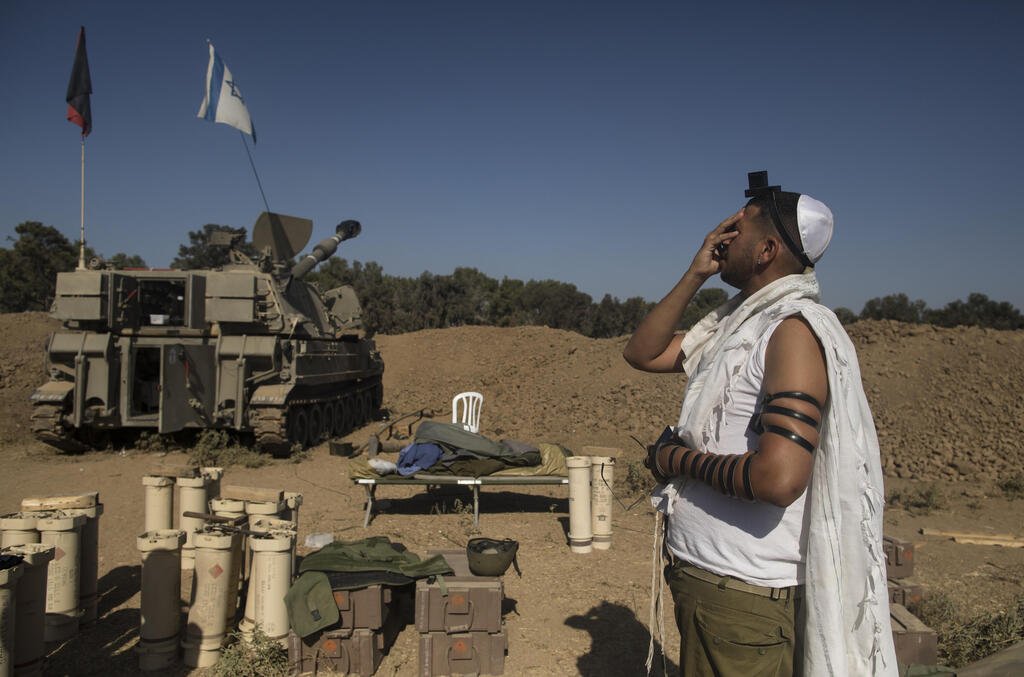
Under the revised policy, military kashrut supervisors will be restricted to religious oversight only and will no longer be allowed to perform kitchen duties—a significant change expected to ease tensions for many observant soldiers.
Another notable update concerns the observance of Passover. Under the existing rules, bases can ban leavened products (chametz) weeks before the holiday. The new directive will prohibit such restrictions until the morning before Passover eve, aligning with Jewish law.
Soldiers also will be released for Shabbat in a way that ensures they can arrive home at least two hours before sundown, an increase from the current one-hour requirement. A lieutenant colonel will be authorized to reduce this time to one hour only with the approval of a senior military rabbi.
Observant soldiers who remain on base for Shabbat will be given 30 minutes to organize themselves after Shabbat ends before being required to participate in any activity. Those who spend Shabbat at home may only be ordered to return to base starting 30 minutes after the conclusion of Shabbat.
The directive also mandates that all IDF bases adhere to the laws of the sabbatical year (Shmita), which applies every seven years in Jewish law and affects agricultural activity.

IDF Rabbinate Department chief Col. Rabbi Chaim Weisberg
(Photo: IDF)
New provisions also address situations previously unregulated: Kohanim (descendants of the priestly class) will not be required to enter cemeteries; soldiers will not be forced to enter the Temple Mount or a house of worship of another religion unless it is operationally necessary, and only with proper authorization.
Time allotted for daily prayers will be extended from 40 to 45 minutes on weekdays.
In a recent letter to all military rabbinate staff, Col. Rabbi Chaim Weisberg, head of the IDF Rabbinate Department, wrote: “After years of thorough work, we have completed a comprehensive and significant validation of the IDF directive on religious matters. Our goal was to update the orders to reflect the current reality in the army and, most importantly, to instill them among all IDF soldiers and commanders. Together, we will continue to strengthen the IDF spirit and fulfill the vision of the Military Rabbinate in the field.”