


As the military prepares for a potential ground operation in Lebanon, heads of yeshivas and pre-military academies are escalating their opposition to the integration of women in armored combat vehicles.
Rabbi Eli Sadan, head of the Bnei David pre-military academy in Eli and a recipient of the Israel Prize for lifetime achievement, sent a letter to his students arguing that placing female soldiers in such roles violates both Jewish law and the IDF’s joint service regulations. A copy of the letter was also sent to Chief Military Rabbi Brig. Gen. Eyal Krim.
Gallery
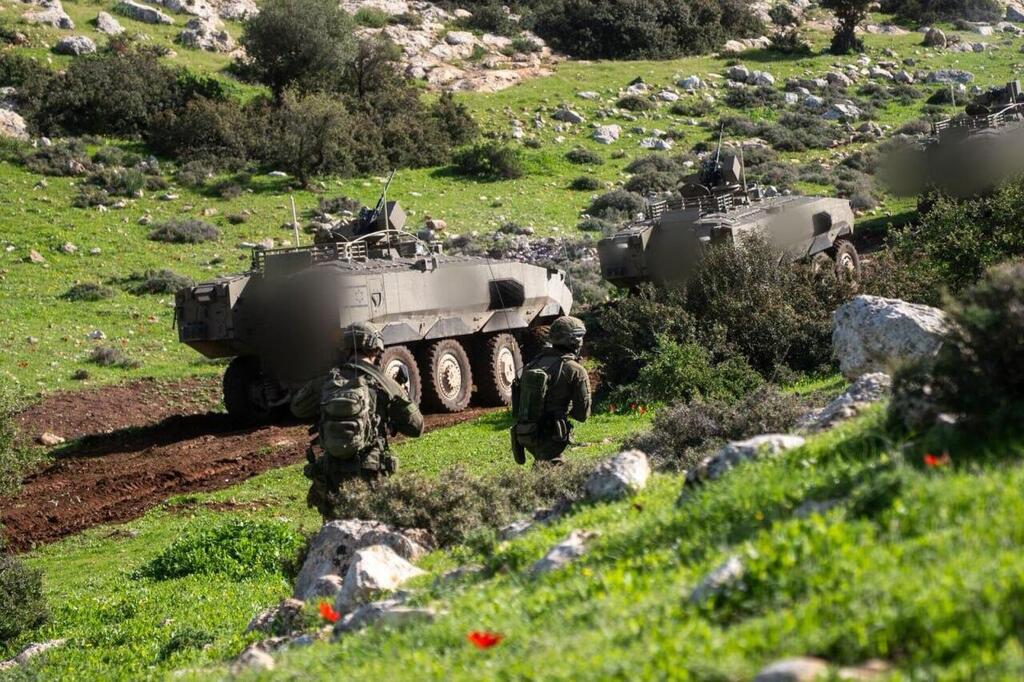
Exercise by the Nahal Reconnaissance Unit with armored personnel carriers. 'We demand that our army be a holy army'
(Photo: IDF Spokesperson's unit)
Dozens of additional yeshiva heads and leaders of pre-military academies within the religious Zionist community joined the call, stating that it is “absolutely forbidden to cooperate with this moral weakness.”
At the start of his letter, Sadan wrote: “We are living in exalted days of God’s salvation and are filled with gratitude to the prime minister and IDF commanders for the courage, determination and remarkable achievements born of self-sacrifice, which is the basis for divine assistance.
“Precisely at this time, when God is performing wonders for us, we seek to highlight the great responsibility to preserve the sanctity of the camp. As is known, when an armored combat vehicle enters battle, female soldiers are also assigned as drivers, paramedics or battalion communications officers, among other roles. This integration continues under combat conditions and creates situations of shared sleeping arrangements and close proximity required in battle.”
According to Sadan, “all of this contradicts IDF joint service orders and borders on prohibited intimate conduct under Jewish law, which is strictly forbidden and leads to very serious consequences.”
He rejected arguments that wartime conditions justify such arrangements, adding that “the army can solve these issues. There are many male paramedics, drivers and communications officers, and if there is a shortage, reservists can be called up.”
The letter states: “It is absolutely forbidden to cooperate with this moral weakness. We demand that our army be holy, and only then will it merit the proper divine assistance.”
As noted, dozens of additional yeshiva heads and leaders of pre-military academies across the country joined Rabbi Sadan’s call. The rabbis argue that the integration of women in armored combat vehicles is being carried out in violation of army requirements. Among those who signed the letter are Rabbis Amiel Sternberg, David Fendel, Tzvi Kostiner, David Chai HaCohen, Eliyahu Zini, Rafi Peretz and Moshe Hager.
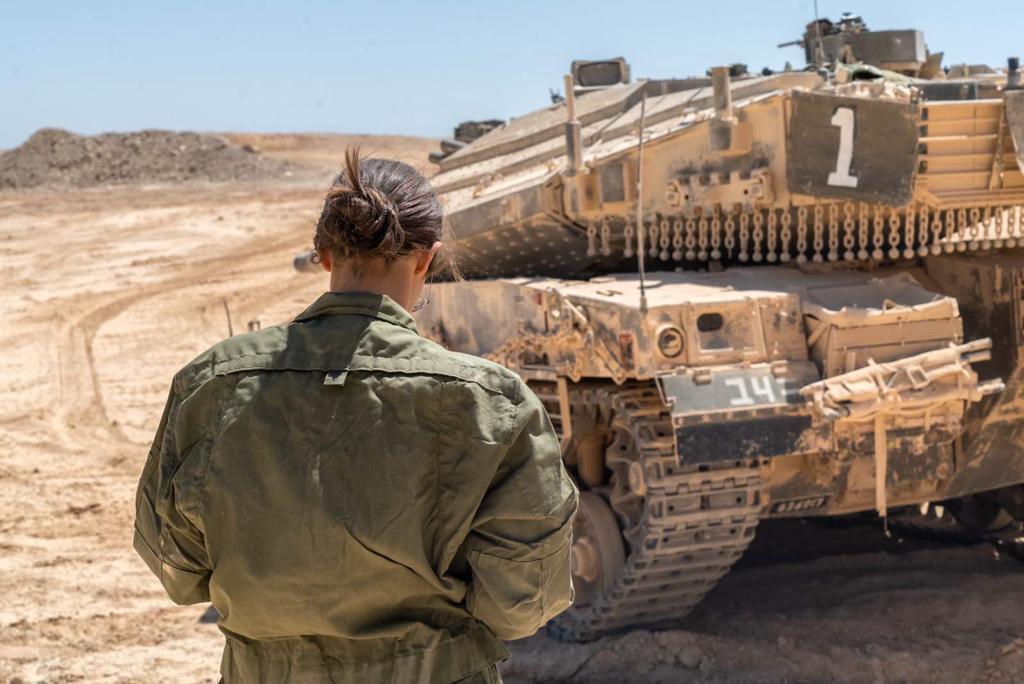
A female armored corps soldier. The rabbis against mixing men and women
(Photo: IDF Spokesperson's unit)
The forum “Wives of Soldiers for the Sanctity of the Camp,” affiliated with the Hotam organization, said the letter reflects “a severe reality on the ground,” claiming no authority currently safeguards religious standards within the IDF. The group accused the military’s gender adviser of promoting “a radical agenda of mixing men and women across all units,” which they say harms observant soldiers’ ability to serve according to their beliefs.
The group called on Defense Minister Israel Katz to appoint an official responsible for protecting religious standards within the IDF.
'Take your dark views to Iran'
The letter sparked sharp backlash from women’s organizations. Bonot Alternativa said female soldiers make up 21.2% of combat forces and about 35% of career service personnel, calling them “an integral part of the IDF’s capability and professionalism.” Excluding them, the group argued, would further burden reservists and constitute “a deep social and moral wrong disconnected from reality.”
The Israel Hofsheet movement said: “Women fighters risked their lives on October 7, have been fighting for two years in the toughest war the country has known, and are serving now in the campaign against Iran. The ‘moral weakness’ is not with the female fighters, but with those who view them as sexual objects. The fact that dozens of rabbis, many of them educators and public figures, signed onto such a letter is a disgrace. Anyone who harms female soldiers and fighters harms the IDF."
WIZO said the debate is taking place amid an extended conflict that has placed immense strain on reservists and their families, noting that women serve in a wide range of roles, including combat positions, “out of a sense of mission and with real responsibility for the country’s security.”
“Statements that undermine women’s place in the military or reduce their contribution to objectification are not only offensive, but they also attempt to roll back significant progress in the IDF and Israeli society,” the organization said. It added that 58% of the public supports integrating women into significant roles, and more than half believe that women’s contribution to national security is not receiving sufficient recognition, according to its survey.
Knesset lawmaker Meirav Cohen, who chairs the Committee on the Status of Women, also criticized the letter: “I don’t know what is more detached, the claim that women cannot serve as tank operators, despite their role in fighting on October 7, or the suggestion to ‘just recruit more reservists’ after many have already served 300, 400 or 500 days since the October 7 massacre. Take your dark views to Iran, not here,” she added.
Knesset lawmaker Sharon Nir, a retired brigadier general and member of the Foreign Affairs and Defense Committee, said the letter “harms fighting spirit and spreads demoralization in the IDF,” adding: “I am tired of the delegitimization of heroic women fighters who make up about 20% of combat forces.”
Knesset member Merav Michaeli also condemned the rabbis’ stance, saying the military cannot continue seeking compromise with those who oppose women’s service. “If the IDF does not implement real equal opportunity for women, the day may come when mandatory service for women can no longer be defended,” she said.