

Nearly a year has passed since the fall of former Syrian President Bashar Assad and, since then, reports have surfaced of Jews visiting the “new Syria” under the leadership of President Ahmed al-Sharaa. Among the visitors are Syrian Jews who had previously emigrated. Less has been reported, however, about visits to neighboring Lebanon — despite the tense situation there, some Jewish travelers have also made their way into the country in recent months.
Over the weekend, Lebanon’s Al-Jadeed TV reported, citing sources in the country’s General Security Directorate, that “two Israelis recently entered Lebanon through the al-Masnaa border crossing (from Syria), toured several areas and left from the airport (in Beirut).” The report named the two as “Canadian ... known online as Avi Gold, and American Berry Indig.”
Beirut this month
(Video: Berry Indig)


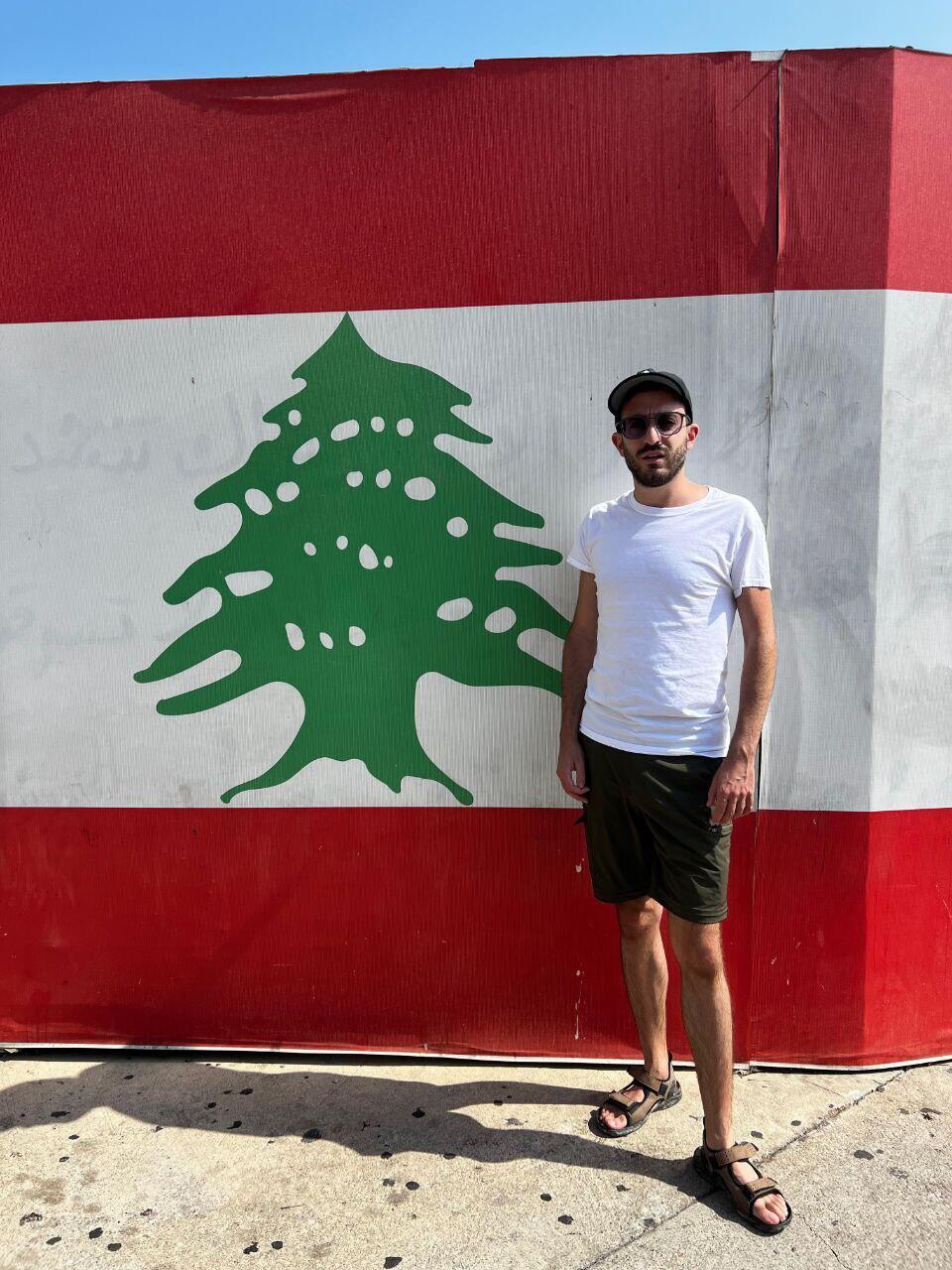
Hezbollah-affiliated newspaper Al-Akhbar dedicated a full article to Gold last Friday, claiming that “Israel’s attack on Lebanon takes many forms,” and that “as military aggression continues and political pressure mounts, Israeli activists are exploiting the situation to impose a new cultural reality, manifested through ‘tourist’ visits to major Lebanese sites.” The article featured one of Gold’s social media videos with the caption: “Israeli TikToker in Beirut!”
“I’m not Israeli,” Indig clarified in a conversation with ynet. “I love to travel, and during one of my trips, I met Avi. We decided to explore Syria and Lebanon — two destinations high on my bucket list. I love traveling in the Middle East and experiencing different cultures up close. For some reason, Lebanese authorities labeled me as Israeli, probably because I traveled with Avi.”
Indig, a Jewish man from New York, visited both Syria and Lebanon last week. He crossed from Syria into Lebanon through the al-Masnaa border crossing, a major legal route between the two countries. The crossing had been targeted in recent fighting due to its use by Hezbollah to smuggle weapons.
Indig recalled feeling tension at the border. “I can’t really explain it — on the Lebanese side, it felt like everyone was on edge. The Syrian side was easy. Simple process. I’ve been to so many countries, and you just know when a place feels unsafe. You feel it.”
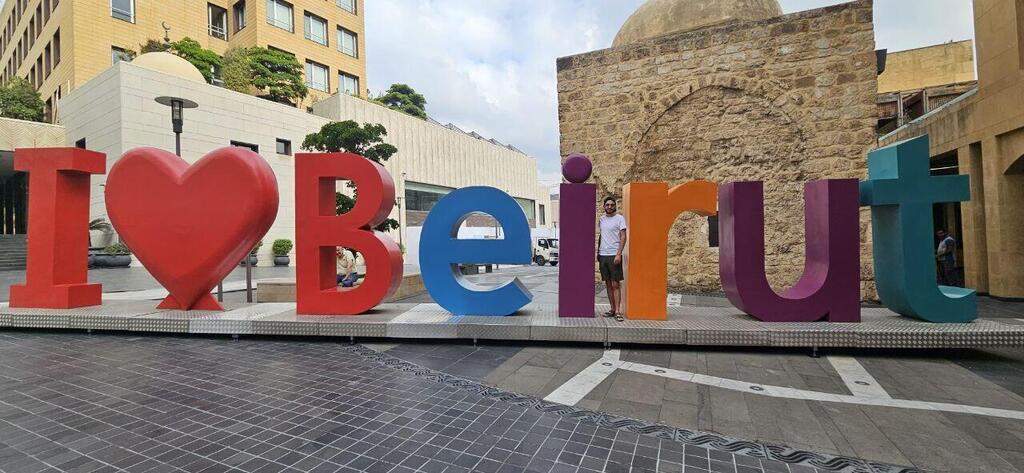
(Photo: Berry Indig)
Of Beirut, he said: “It looked just like a European city in terms of architecture. There’s nightlife and parties. I went to the marina — it’s very modern. Lots of yachts, cafes and restaurants. You can feel the American influence — brands and clothing. It felt like Europe, and I had to remind myself to stay cautious. Even though I’m not Israeli, it’s still wise to be careful. The people were very friendly.”
Indig had expected Syria, after years of civil war, to feel more dangerous than Lebanon, but was surprised to find the opposite. “Sometimes you go to a place that looks unsafe, but it turns out to be safer than another country,” he said.
He and Avi also visited Beirut’s southern suburb of Dahieh, a Hezbollah stronghold. Indig described seeing damaged buildings and posters of Hassan Nasrallah. “I stopped for a drink and people talked to me. I didn’t bring up politics, but I realized I was in the heart of Hezbollah territory,” he said. “They asked where I was from — I said New York. They said they had relatives in Michigan. I kept a low profile.”
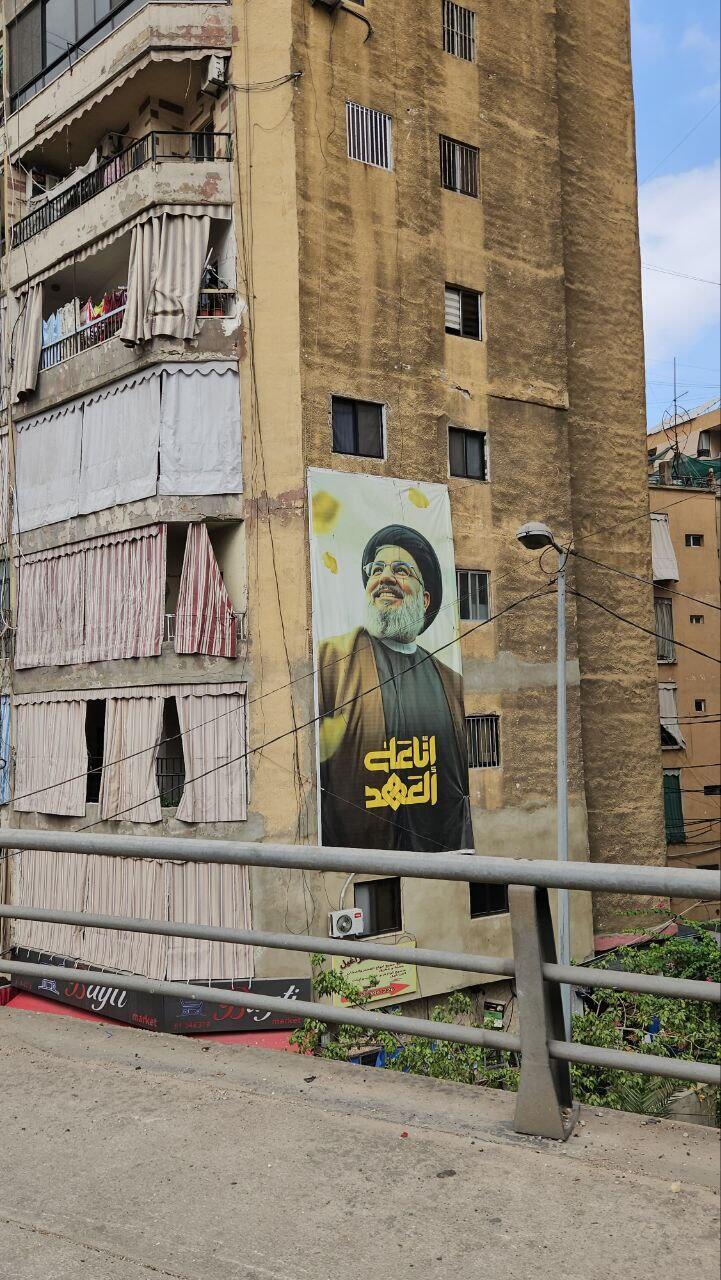
A picture of Nasrallah on a building in Beirut
(Photo: Avi Gold)
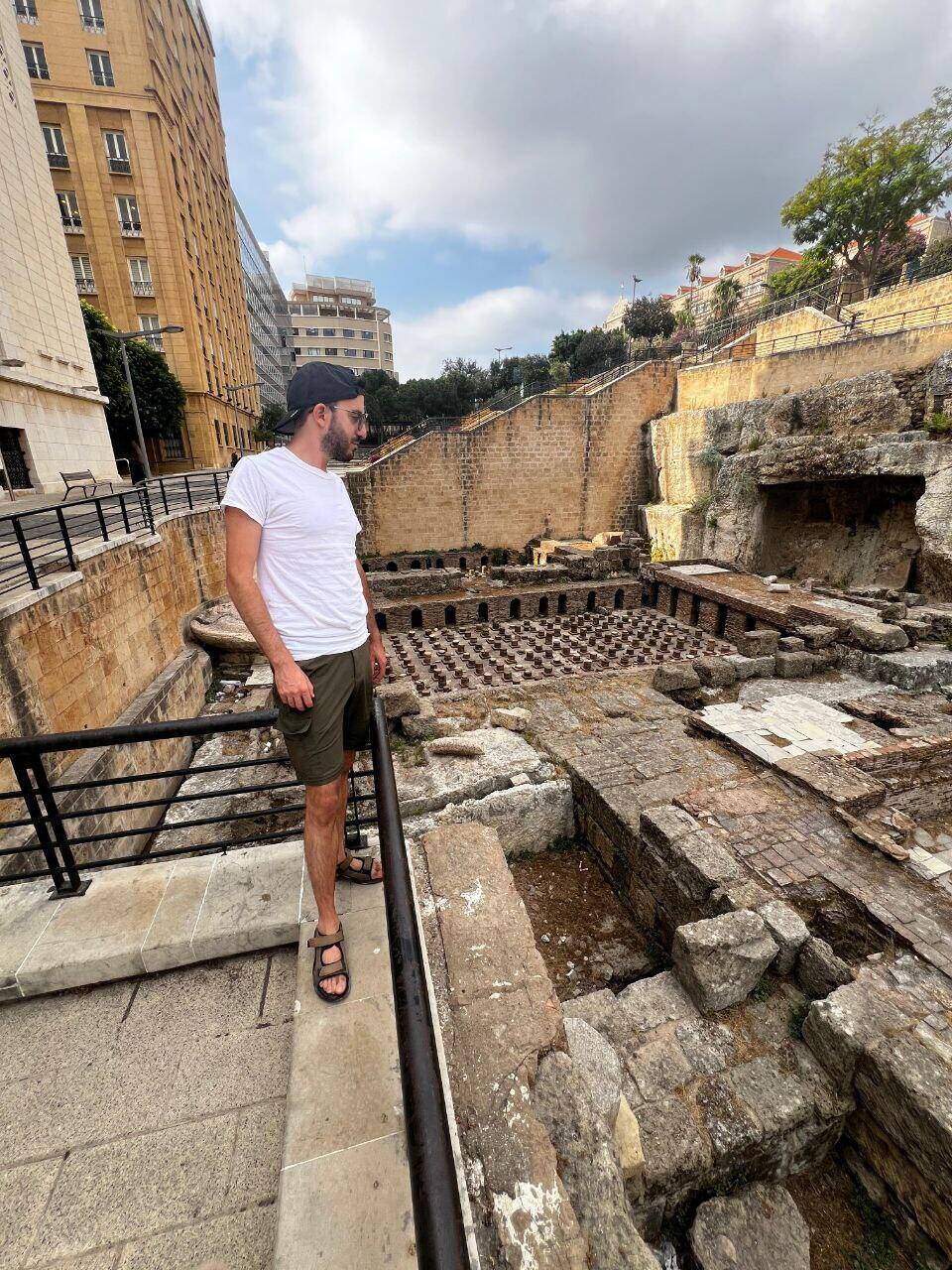
Indig and Gold toured the city
(Photo: Berry Indig)
He also visited the site where Nasrallah was reportedly killed — a location that has become a sort of pilgrimage site, in addition to the hall where he is said to be buried. “There’s a big crater. They cleared the rubble. It’s just an empty lot with a huge hole. I didn’t want to stop — there were too many eyes around,” he said.
Indig left Lebanon last Thursday. He said that in Beirut he didn’t sense much attention to the security situation in the country’s south. What he did feel, however, was the impact of Lebanon’s ongoing electricity crisis — his hotel experienced multiple outages. “That was the only real reminder,” he said.