



The public confrontation initiated late Monday night by Defense Minister Israel Katz against IDF Chief of Staff Lt. Gen. Eyal Zamir was no accident. It is part of the current government’s ongoing, systematic effort to turn senior civil service officials under its authority into political loyalists who will act following politicians’ wishes—without question or debate.
What happened that night was a continuation of a deliberate process to humiliate and undermine the chief of staff, because Zamir dared to present differing views on professional military matters—chief among them, the ongoing campaign in Gaza. Promotions within the IDF to the rank of colonel and above have always been sensitive and past disputes have arisen over them.
Gallery
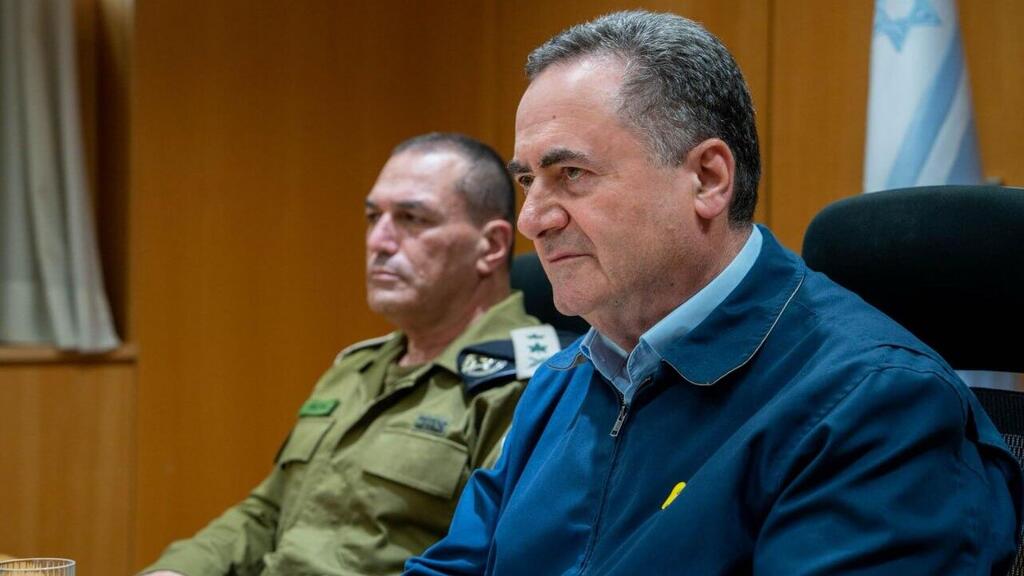
IDF Chief of Staff Lt. Gen. Eyal Zamir, Defense Minister Israel Katz
(Photo: Ariel Hermoni, Defense Ministry)
For example, Katz joined the government's attacks on former chief of staff Herzi Halevi, when he demanded that military appointments be frozen until after internal inquiries into the failings on October 7 were completed and the role of certain officers who served at the time was clarified although there was a certain lodgic to the minister's position at the time.
A battle over appointments and frontline urgency
Likewise, there was logic in Halevi’s insistence on proceeding with appointments in order to fill the depleted ranks of senior field commanders, some of whom were struggling in their roles due to feelings of guilt over their performance on October 7.
In the end, after Katz flexed his political muscles, the appointments were approved. Ahead of every appointment in the IDF, there is a lengthy, structured process that includes professional and psychological evaluations for every candidate for promotion from the rank of colonel, drawn from a list recommended by regional commanders and branch heads.
Usually, there are multiple candidates for brigadier general roles, with the most prestigious being division commanders of combat units. These evaluations are conducted by professionals and presented not only to the General Staff forum but also serve as the foundation for the appointments discussion led by the chief of staff.
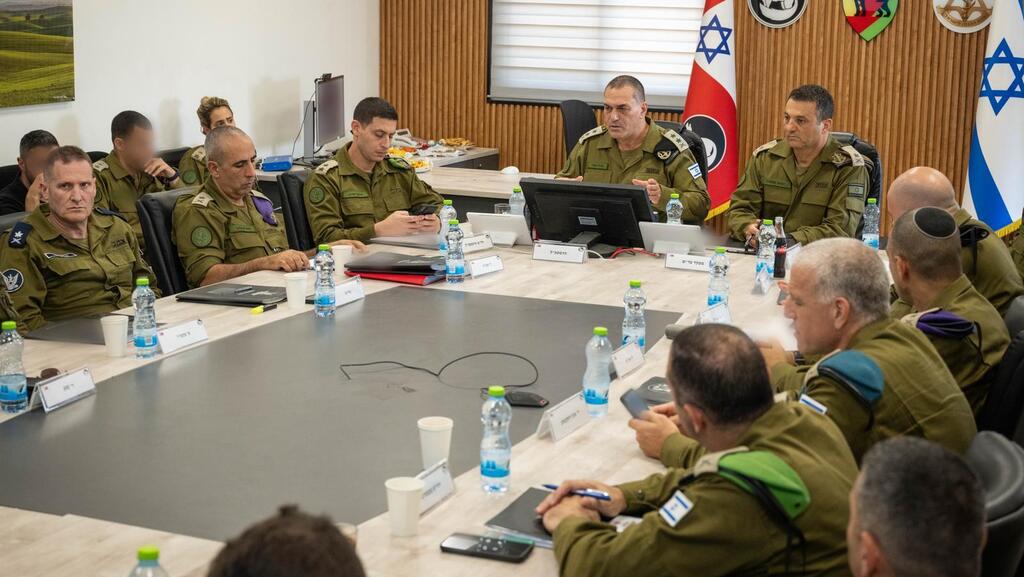
Zamir with senior IDF commanders
(Photo: IDF Spokesperson's Unit)
Such discussions—like the one held late last night—can be lengthy and unpredictable, and it is not unusual for the General Staff to appoint an officer who was not the chief’s personal first choice.
Former chiefs of staff attest that these appointment debates are taken seriously, last many hours and focus almost entirely on the candidate’s professional abilities and leadership skills—critical for a senior role that includes leading soldiers into battle.
Tradition, law, and a break from protocol
By law, the chief of staff appoints senior IDF officers from colonel upward and promotes them in his capacity as head of the organization. The defense minister, as the government official overseeing the IDF’s performance, has the authority to approve or reject the appointments proposed by the chief of staff after they have been confirmed by the General Staff forum.
For decades, the tradition has been for the chief of staff’s office to send the defense minister’s office—specifically, his military secretary—a list of “appointment clusters” ahead of the General Staff meeting.
This is done before a final decision is made on who will be appointed, allowing the minister to familiarize himself with the candidates and decide in advance which appointments he might approve or reject after the meeting.
Get the Ynetnews app on your smartphone: Google Play: https://bit.ly/4eJ37pE | Apple App Store: https://bit.ly/3ZL7iNv
In this case, Zamir—perhaps sensing he was being targeted by the government, the cabinet, the prime minister and the defense minister—sought to meet Katz in person before the appointments discussion to present the candidates, even though this was beyond the formal requirement and contrary to long-standing custom.
The request, made via Zamir’s chief of staff to Katz’s military secretary, was intended to set up a meeting to review the lists. The defense minister’s office responded that Katz, for unspecified reasons, could not agree to the request. Zamir’s appeal was rejected multiple times over several days, even though he was under pressure to hold the appointment meeting urgently.
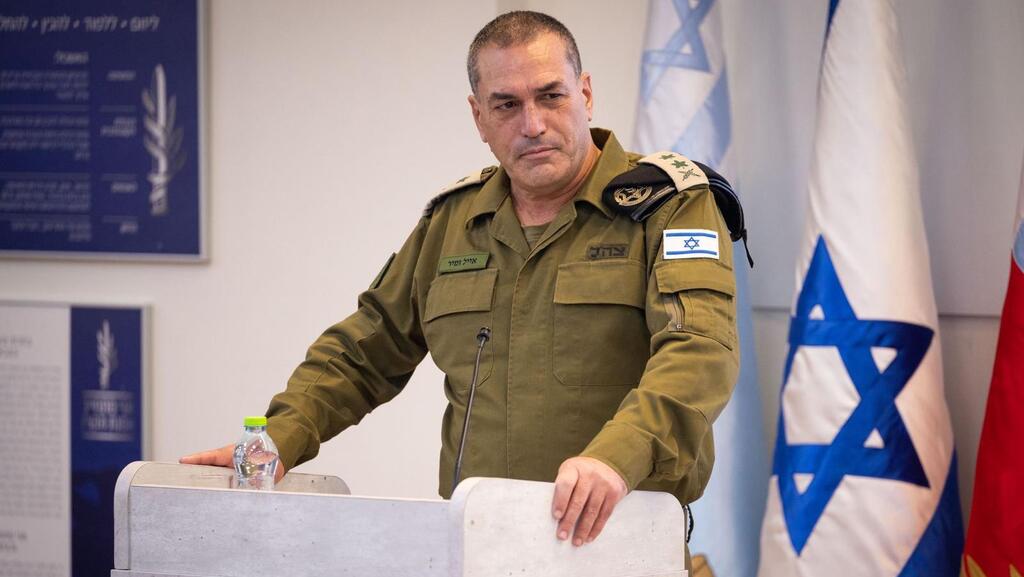
Zamir
(Photo: IDF Spokesperson's Unit)
The toll on senior commanders
The urgency was born from the fact that the candidates for promotion were brigade and division commanders who had carried an extreme physical and mental burden since the Gaza war began—including commanders of the Nahal and Givati Brigades and division heads who had led uninterrupted combat operations under unprecedented strain.
The need to shorten the tenure of active-duty combat brigade and division commanders stems from the fear that prolonged personal and psychological fatigue will impair the judgment of those leading soldiers into battle—a concern well understood by Zamir.
Another factor heightening the urgency was the toll on the families of these senior officers, who in some cases suffered even more than reservists, many of whom had the opportunity to take extended breaks at home before returning to service.
The officers appointed last night had been fighting continuously—in Gaza’s sandy terrain and among the rocky hills of southern Lebanon—for a year and ten months, enduring severe events.
As the war enters its final phase, Zamir sought to staff the top command with experienced leaders who could recover alongside their families while still fulfilling their duties. In most militaries, it is standard practice to rotate field commanders after relatively short active combat periods—around a year—for exactly these reasons.

IDF troops in Gaza
(Photo: IDF Spokesperson's Unit)
Katz’s intervention and security missteps
Yet for Katz, this did not seem to matter. In a statement, he argued that the preliminary appointments discussion should be held in his office and that he would decide which candidates would go before the General Staff—a claim unsupported by either the Basic Law: The Government or the Military Justice Law.
He asserted that if Zamir had wanted to hold an appointment discussion with him, he should have agreed to Katz’s conditions. In reality, Katz had deliberately refused Zamir’s repeated requests in order to assert his authority—without any legal obligation to do so.
Later that night, Katz issued another statement demanding that the appointments discussion be held under his control, not in the General Staff forum. He added another claim: that “you don’t change horses midstream”—meaning brigade and division commanders should not be replaced before the planned Gaza offensive.
This position reveals Katz’s misunderstanding of security matters. The Cabinet’s decision to seize control of Gaza and relocate approximately one million residents to remaining shelter areas in the Strip requires both professionalism and creative military thinking.
Refreshing the senior command ranks is essential to bring in leaders unbound by old combat doctrines, capable of introducing innovative tactics for an operation expected to differ from Operation Gideon’s Chariots and previous ground campaigns in Gaza.
Political motives behind the clash
Throughout military history, great commanders have ensured the rotation of senior officers to bring in fresh, unexhausted minds for new phases of battle. But Katz—apparently confident he knows better—appears guided by different motives.
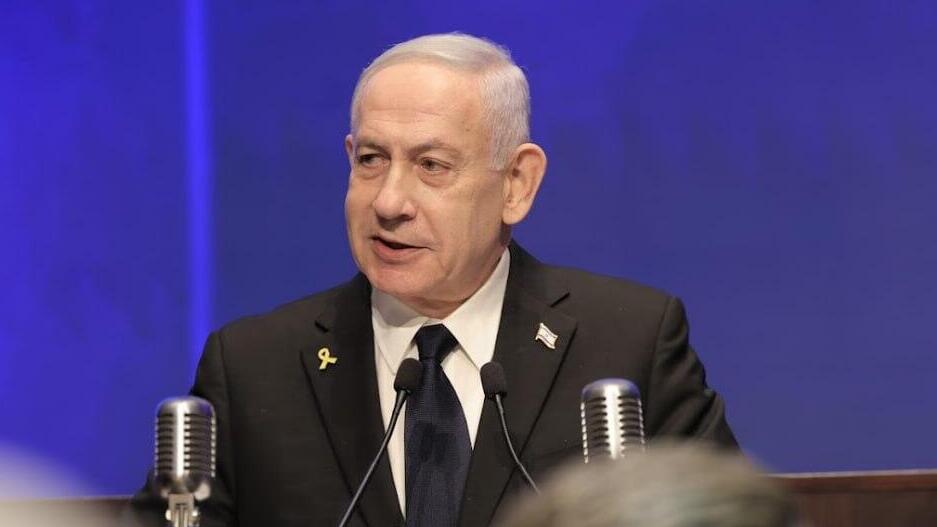
Prime Minister Benjamin Netanyahu
(Photo: Knesset Spokesperson, Esti Efrati)
At the core is not an effort to improve senior command, but rather an attempt to diminish the chief of staff’s authority and possibly force his resignation, paving the way to appoint someone aligned with ruling Likud party and its “full right-wing” government.
Most now hope that Zamir will not bow to pressure and resign. Katz’s approach to the IDF does not stem from a sense of sacred duty, as one might expect from his role, but mirrors his past conduct as transportation minister and in other positions—where he appointed loyalists based on the advice of political fixers and Likud Central Committee operatives.
The goal is to ensure that anyone appointed to a top position—whether a division commander or the head of the IDF Operations Directorate—knows they owe their post to Katz and acts accordingly.
The government is acting not only against Israel’s interests but also with severe negligence, violating principles of proper governance and military hierarchy—choosing to do so, no less, during wartime.