


Israeli military leaders will soon finalize plans for a large-scale ground operation in Gaza, following the cabinet’s recent approval of Prime Minister Benjamin Netanyahu’s “conquest of Gaza” strategy. However, key details such as the timing and number of reservists to be called up remain under close review, with no orders yet issued to frontline brigades.
Chief of Staff Lt. Gen. Eyal Zamir is expected to receive initial operational outlines from Southern Command by the end of this week. Military officials indicate the offensive will not begin in a significant way before the end of August.

The military is taking into account the exhaustion of reservists repeatedly mobilized since the Oct. 7 outbreak of hostilities, as well as the challenges posed by the summer vacation period affecting soldiers’ families. In recent weeks, commanders have released reservists and arranged temporary replacements from regular officers still undergoing training.
Among the plans under review is the evacuation of approximately 800,000 Palestinians from northern Gaza City. After military approval of these plans, the operation’s details—including combat methods and phase timelines—will require further approval by the cabinet.
Military planners are also weighing a range of constraints, including humanitarian concerns, diplomatic pressures, and technical readiness of tanks, armored personnel carriers, and ammunition stocks. These concerns are heightened by the possibility of increased military boycotts from countries such as Germany.
A major challenge remains the location and safety of Israeli hostages held by Hamas. The military anticipates that Hamas will reinforce defenses around captives and may disperse them in the coming weeks. Zamir has made clear that IDF forces will not attack areas where hostages are known to be held, reaffirming a red line despite pressures from some political figures.
Zamir has also emphasized that forces operating in Gaza will receive necessary rest periods, even if rotations prolong the fighting beyond four to six months. He has highlighted the uncertainty faced by troops and reservists, noting broken promises regarding reservist service durations. Some reservists scheduled for deployment later this year remain uncertain about their future calls, causing strain for them and their families.
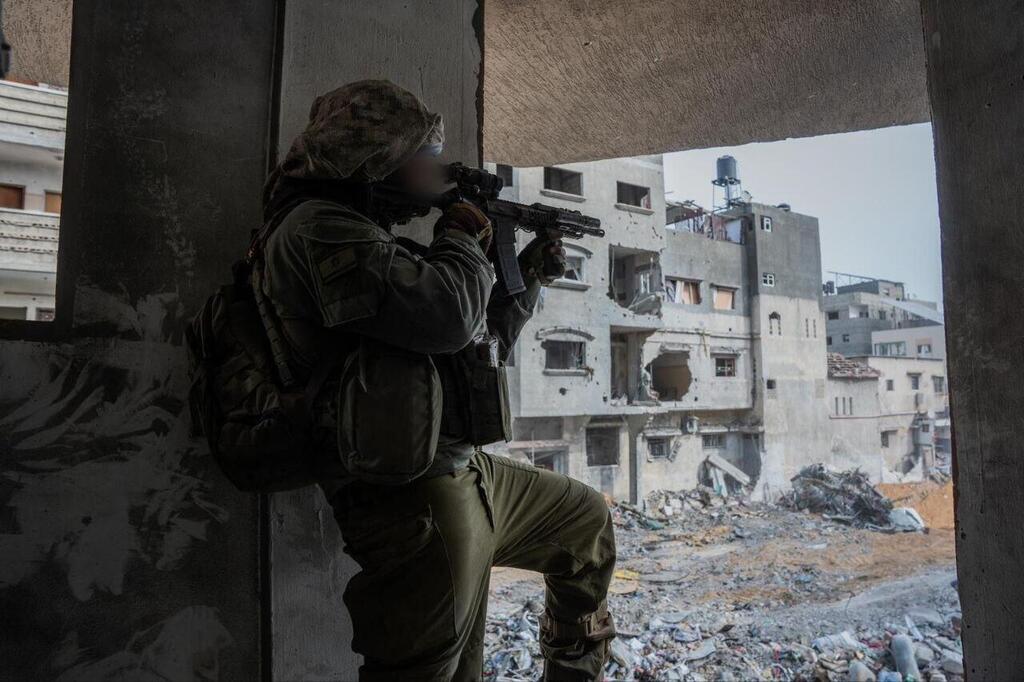
(Photo: IDF Spokesperson’s Unit)
The plan for Gaza is expected to be slow and gradual to maximize pressure on Hamas and allow mediators—led by the United States, Qatar, and Egypt—additional windows for hostage negotiations.
Despite the cabinet’s approval, control over operational details lies with the military, whose leadership had reservations about the offensive. Critics note that increased aid to Gaza risks strengthening Hamas, while Israel’s unilateral ceasefires allow Hamas to move supplies and fighters between zones.
Most remaining fighters in Gaza currently focus on defense and demolition of buildings, with limited offensive raids in specific neighborhoods like Zaytun in southern Gaza City.
Get the Ynetnews app on your smartphone: Google Play: https://bit.ly/4eJ37pE | Apple App Store: https://bit.ly/3ZL7iNv
Contrary to reports of a mass call-up of around 250,000 reservists under Emergency Order 8, military officials expect lower numbers due to low turnout rates—averaging 60 to 70 percent this year amid ongoing hardships for reservists.
Preparations for the Gaza operation are expected to continue into the fall, with the IDF aiming to encircle the city and the estimated 10,000 terrorists concentrated there before commencing full-scale urban combat. Netanyahu has set an operational deadline of Oct. 7, 2025.