


This week, the geopolitical architecture of the Middle East shifted not with a missile strike, but with a tweet. As the Iranian rial collapsed to 1.4 million against the dollar and protesters filled the streets from Tehran to Qom, U.S. President Donald Trump issued a binary ultimatum to the theocratic regime: "If Iran shoots and violently kills peaceful protesters, which is their custom, the United States of America will come to their rescue."
He concluded with a phrase that will likely define his foreign policy legacy: "We are locked and loaded and ready to go."
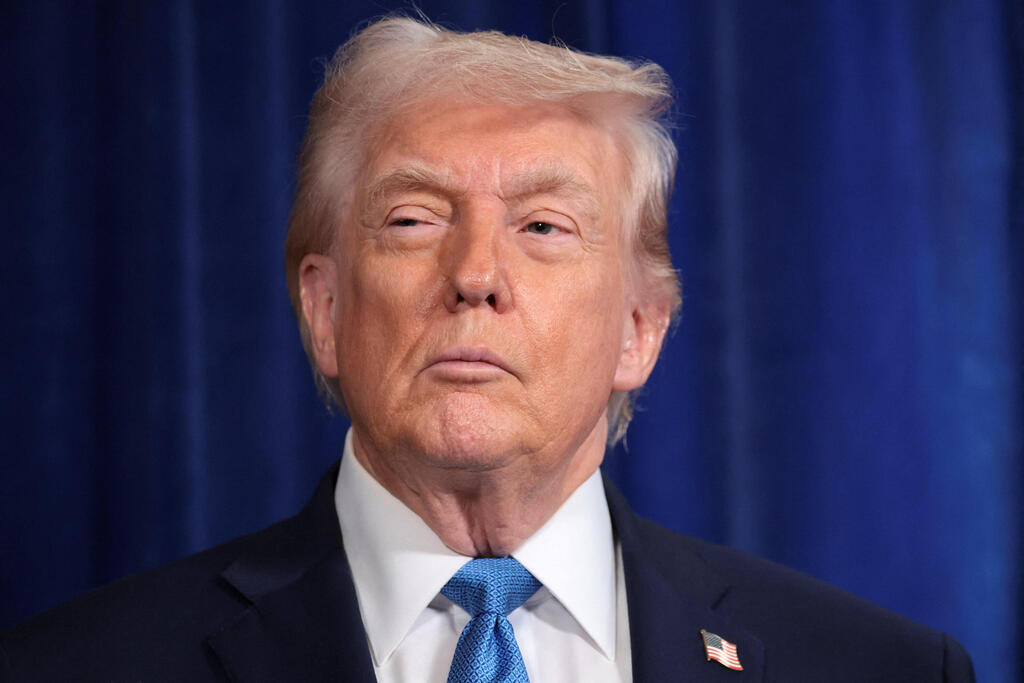
This declaration, formalized by analysts as the "Rescue Doctrine," marks the definitive end of the era of appeasement. For decades, Western policy toward Iran was paralyzed by the fear that external pressure would rally the population around the flag. Washington treated the regime’s internal repression as a "sovereign matter" secondary to nuclear negotiations. Trump has dismantled this hierarchy. By linking direct U.S. military intervention to the regime's domestic conduct, the White House has weaponized the regime's greatest vulnerability: its total loss of legitimacy in the eyes of its own people.
The ghost of 2009
To understand the seismic nature of this pivot, one must recall the trauma of 2009. When millions of Iranians marched, chanting "Where is my vote?" the Obama administration made a calculated decision to remain silent. As former Israeli ambassador to the U.S. Michael Oren confirmed, the administration "chose not to support" the Green Movement because it prioritized reaching a nuclear deal with the mullahs.
The result was catastrophic. The regime, sensing Washington’s hesitation, unleashed its security apparatus. They crushed the movement, tortured dissidents in Kahrizak and cemented a lesson that would guide them for 15 years: The West cares more about centrifuges than human rights.
The Rescue Doctrine is the long-awaited correction to that historical betrayal. It answers the 2009 chant of "Obama, Obama, you are either with them or with us" with a definitive answer: The United States is now with the people.
Why the threat is credible: the shadow of the 12-day war
Critics will argue that "locked and loaded" is empty rhetoric. They are wrong. The strategic context of 2026 is radically different from that of 2019 or 2009. The Iranian regime is no longer the ascending power that boasted of controlling four Arab capitals. It is a hollowed-out shell, humiliated by the 12-day war with Israel in June 2025.
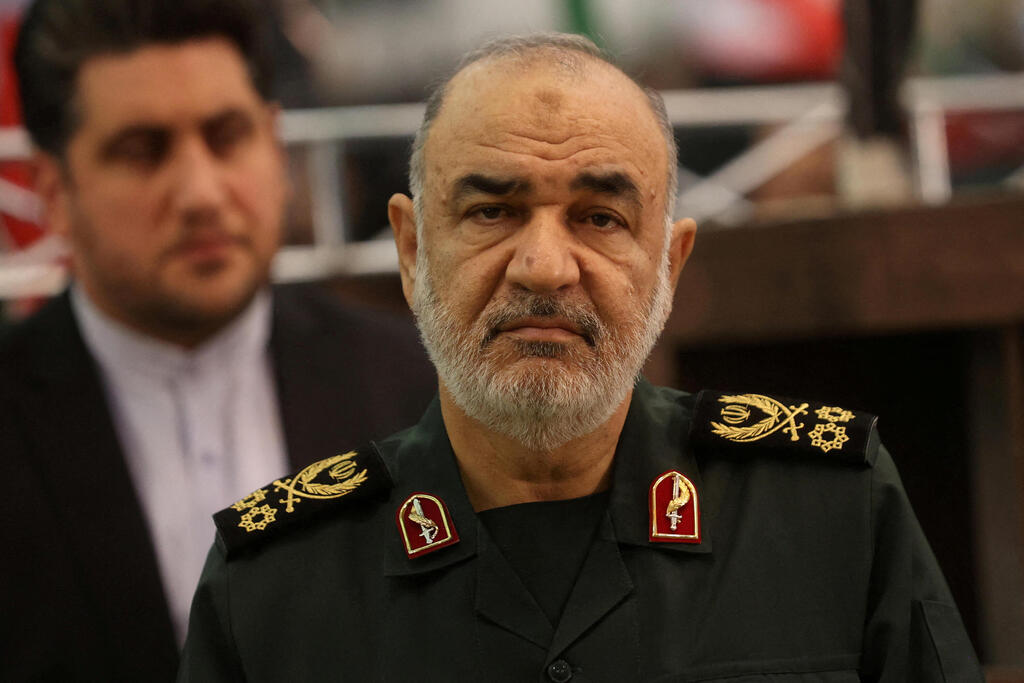
Former Islamic Revolutionary Guard Corps Commander Major General Hossein Salami
(Photo: Majid Asgaripour/WANA (West Asia News Agency) via REUTERS)
That conflict exposed the regime’s military nakedness. Israeli airstrikes destroyed the heart of Iran's nuclear enrichment program and decapitated the Islamic Revolutionary Guard Corps (IRGC) command structure, killing its head, Major General Hossein Salami. The regime’s air defenses—the Russian S-300s and indigenous Bavar-373s—proved useless against fifth-generation stealth fighters.
When President Trump says "locked and loaded," he is speaking to a security establishment that knows it is defenseless. IRGC commanders know that American airpower can operate over Tehran with impunity.
The loyalty dilemma
The brilliance of the Rescue Doctrine lies in its target audience. It is not designed to sway Supreme Leader Ayatollah Ali Khamenei, who is ideologically committed to martyrdom. It is designed to fracture the loyalty of the mid-level IRGC commander.
Consider the calculus of a brigadier general in charge of a Basij unit in Isfahan. He is already suffering from the "structural demolition" of the economy; his salary is paid in worthless rials. He knows his leadership is compromised and his equipment is obsolete. Now, the American president has drawn a red line: kill, and you become a target.
 Amine Ayoub
This creates a "loyalty dilemma." If the commander orders his troops to fire, he risks triggering a U.S. strike that could decapitate his unit or target him personally under revived "maximum pressure" executive orders. If he hesitates or defects, he risks the wrath of a regime that may not survive the month.
Ending the 'ring of fire'
For years, Tehran justified its poverty by claiming it was building a "ring of fire" around Israel. The 2025 war extinguished that ring. Hezbollah and Hamas are battered, and the regime has squandered $1.5 trillion on adventures that failed to protect the homeland. Now, the Rescue Doctrine threatens the regime at its core.
The panicked reaction from Tehran—with top officials like Ali Larijani warning that U.S. intervention is a "red line"—betrays their fear. They realize that the "Lebanonization" of Iran is no longer a threat they can use to scare their population into submission. The population is already living in economic ruin.
The era of the "devil we know" is over. The United States has finally aligned its strategic interests (neutralizing the IRGC) with its moral values (protecting peaceful protesters). The Rescue Doctrine is a high-stakes gamble, but it is one based on the reality that the Islamic Republic is a rotting structure waiting for a kick.
- Amine Ayoub, a fellow at the Middle East Forum, is a policy analyst and writer based in Morocco