

Nearly a decade after the political earthquake of Donald Trump’s election, it is worth asking: did the “big smile” I wrote about in 2016 endure, or was it simply the opening scene of a far more complex global shift? Back then, Trump’s rise felt like a necessary storm, a disruption aimed at dismantling rigid diplomatic conventions and the suffocating grip of political correctness. In many ways, that storm did arrive. But instead of clearing the skies, it redrew the map.
The first prediction proved correct: the old order cracked. Political correctness, as a dominant force in Western discourse, no longer holds the uncontested power it once did. Leaders today speak more bluntly, publics are less patient with carefully crafted diplomatic language, and taboo topics, immigration, identity, national interest, are now front and center. The “dugri” (straightforward) style once considered radical has become normalized. Yet what replaced the old consensus was not a unified “reality correctness,” but a fragmented world where multiple, often conflicting “realities” compete for legitimacy.
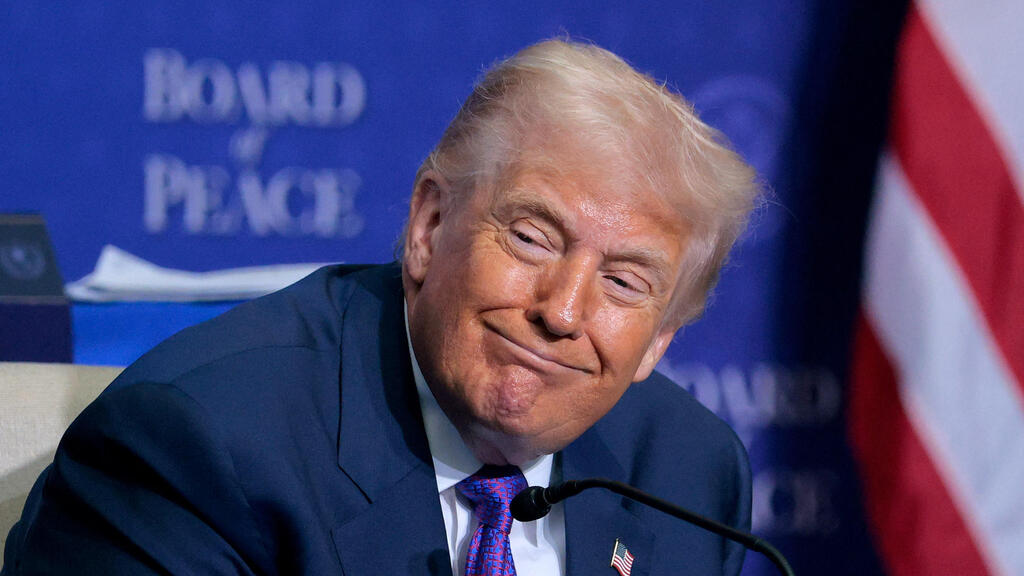
On the geopolitical level, Trump’s presidency accelerated trends that were already beneath the surface. The Abraham Accords, for example, reshaped the Middle East in ways few had anticipated, validating the argument that bypassing traditional paradigms could yield results. At the same time, however, the notion that clarity would replace ambiguity proved overly optimistic. The Middle East remains volatile, Iran remains a central threat, and the idea of a simple division between “good guys” and “bad guys” has been complicated by shifting alliances and pragmatic interests.
In the United States itself, the “scared Americans” I described did find a voice, but the cost was a deep internal polarization that continues to define American society. The rejection of elite discourse did not lead to a shared national reset, but to an ongoing cultural and political battle over truth itself. In hindsight, Trump did not end political correctness; he triggered its transformation into something more aggressive on all sides, a landscape where narratives are weaponized and consensus is elusive.
Europe, too, tells a more nuanced story. Concerns over immigration, identity and integration, once dismissed, have become central political issues across the continent. Governments have toughened policies, and public debate is far more open than it was in 2016. Yet the collapse I warned of did not fully materialize. Instead, Europe adapted unevenly, balancing between preserving liberal values and responding to internal pressures, a tension that remains unresolved.
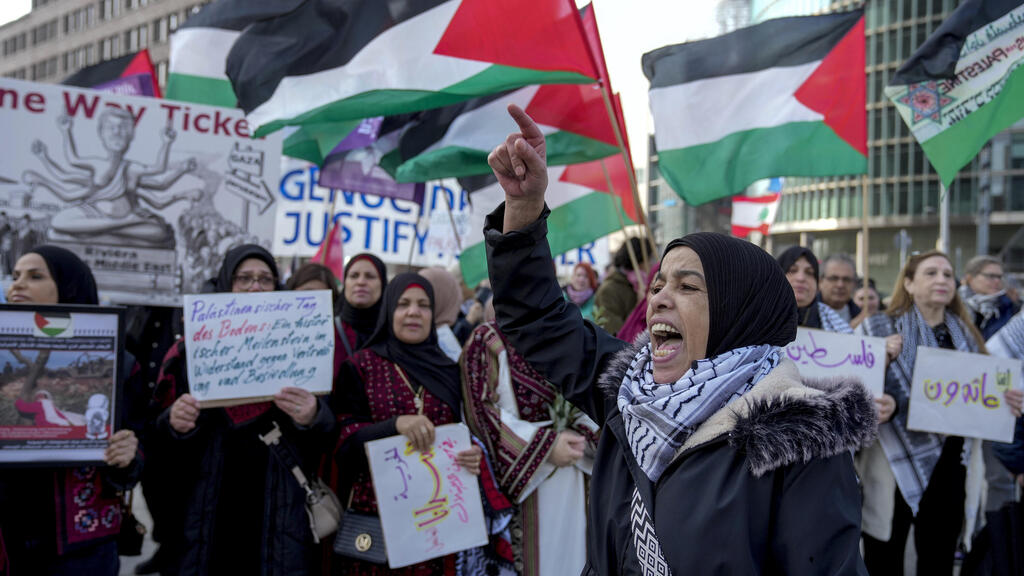
A pro-Palestinian demonstration in Berlin
(Photo: Ebrahim Noroozi/AP)
And Israel? Here, the shift was perhaps most tangible. The language surrounding Israel in parts of the international arena has indeed changed, and alliances have diversified. Yet the deeper reality remains unchanged: the conflict persists, narratives continue to clash, and global perception is still a battlefield. “Reality correctness” did not eliminate criticism, it simply altered the terms of the debate.
Looking forward, however, a clearer direction is beginning to emerge.
Since October 7, Israel has once again found itself at the front line of a global moral test, confronting forces that do not hide their intentions. In doing so, it is transmitting a message to the world: ambiguity has limits. When faced with an axis of evil that openly seeks destruction, societies are forced to rediscover the difference between right and wrong, between those who build and those who destroy.
If the past decade blurred truths, the present moment is beginning to sharpen them again. The way forward, for those still searching for stability, peace and decisiveness, may well lie in returning to the foundational Judeo-Christian values that once anchored the free world: responsibility, moral clarity and the courage to call reality by its name.
First published: 17:40, 04.23.26