


The possibility of another round of confrontation with Iran in the near future is, rightly, causing unease and concern among the Israeli public. Bellicose statements by President Trump, the growing buildup of U.S. naval and air power in the Middle East, the nervous, at times near-hysterical reactions of the ayatollahs in Tehran, and the heightened alert and force mobilization by the IDF all appear to signal that something may be coming, perhaps soon. At the same time, there are also restraining factors on the ground that significantly reduce the likelihood of an immediate escalation.
Unlike the situation before the cursed events of October 7, Israeli and U.S. intelligence agencies are now closely tracking developments in Iran and among its proxies. In any scenario that could affect Israel, the public is expected to receive warning and time to prepare.
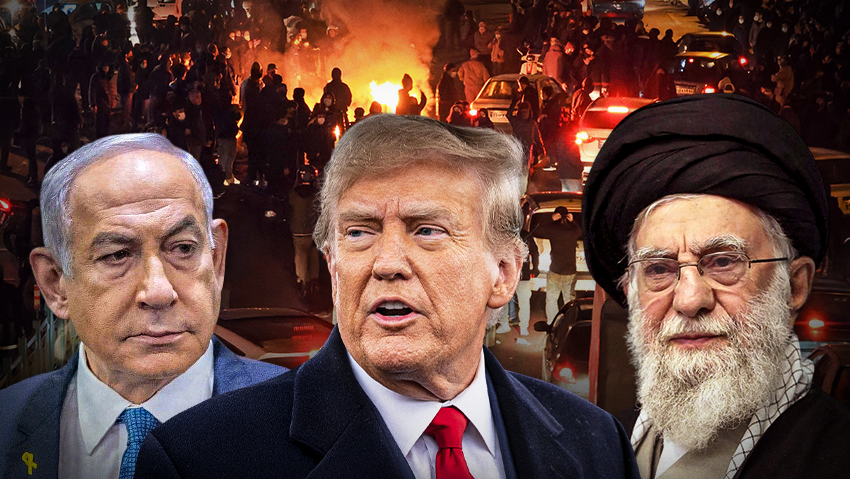
As has often been the case in recent months, social media is amplifying public anxiety through rumors and unreliable information. This has fueled unnecessary panic that is already harming daily life, the economy and mental health, despite the absence of a concrete threat. To limit psychological damage and prevent unjustified fear, it is essential to understand current intelligence assessments and their implications.
The primary driver behind current U.S. and Israeli moves is the situation inside Iran. There is a shared assessment that Iran will not revert to the status quo that preceded the most recent wave of protests. The scale of public anger, the willingness to risk life and limb, and the open demands for regime change were unprecedented, as was the brutality of the repression used to crush them.
During the protests, there were multiple incidents of live fire and violent resistance, including the killing of security personnel, as well as defections within the regime’s security apparatus, including the Basij militia and the Islamic Revolutionary Guard Corps, developments unseen in earlier protest waves. The protest movement has not disappeared. Massacres pushed demonstrators off the streets, but protests continue from balconies and windows, driven by the same unresolved grievances that continue to cause widespread suffering.
The ayatollahs understand that the threat has not passed. The regime, and especially the Revolutionary Guard, is on edge, sensing that its grip on power remains fragile. Intelligence assessments warn that this could lead to further violent measures, including mass executions, to suppress dissent.
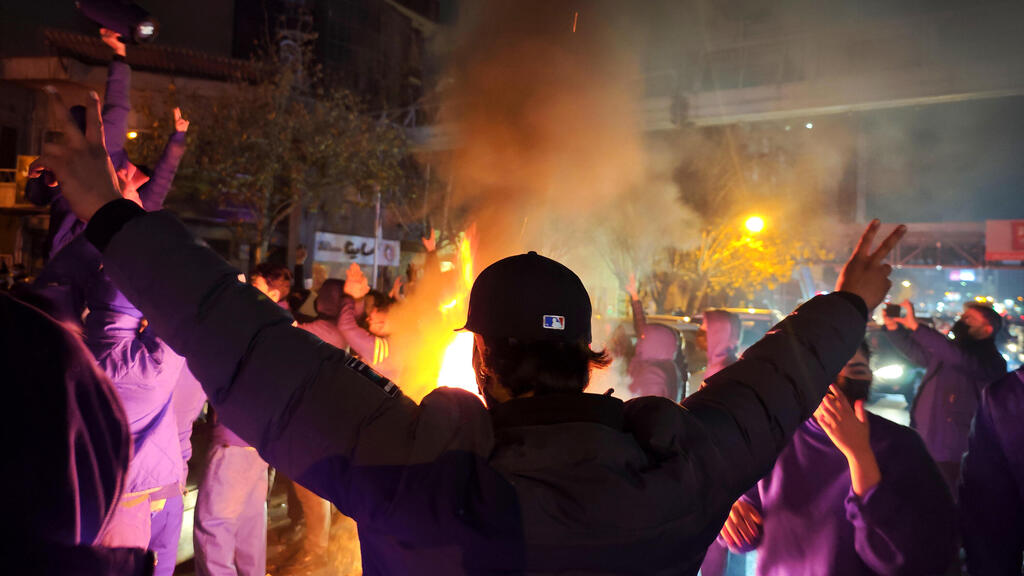
(Photo: Anonymous/Getty Images)
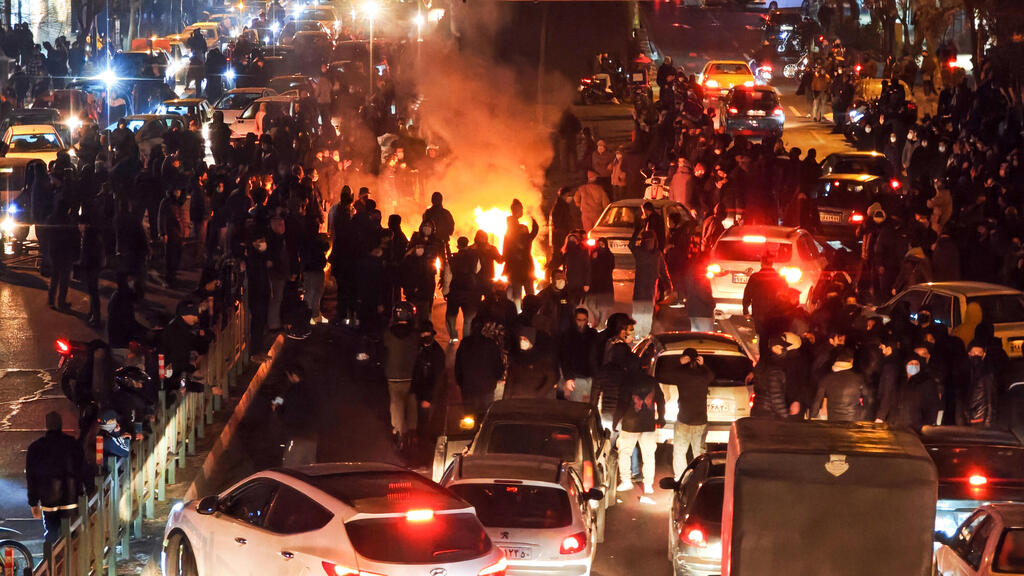
(Photo: Anonymous/Getty Images)
The regime may also attempt to strike external enemies to rally domestic support and recover prestige lost after its weakening in the recent Operation Rising Lion. Israel and U.S. interests in the region, including energy shipping routes and the Arab Gulf states, are now squarely in Tehran’s sights.
Tehran’s shift in decision-making and Khamenei’s condition
Another source of concern is decision-making in Tehran, which since Operation Rising Lion has become markedly less rational and more chaotic, at levels not seen since the 1979 Islamic Revolution. One reason is Israel’s elimination, during the June “Blood Wedding” strike, of the senior security officials whom Supreme Leader Ali Khamenei relied on most. He trusted them and was influenced by their judgment. Earlier, Hezbollah leader Hassan Nasrallah, a senior and relatively pragmatic decision-maker within the Shiite “axis of resistance,” was also killed.
In short, most of those whose advice Khamenei valued are gone, and those who remain lack the experience and professionalism of their predecessors. Trump’s reference to the 86-year-old Khamenei as “sick” reflected doubts about his fitness to lead. Deprived of trusted counsel, the Iranian leadership is more prone to miscalculation or to acting out of a destructive mindset.
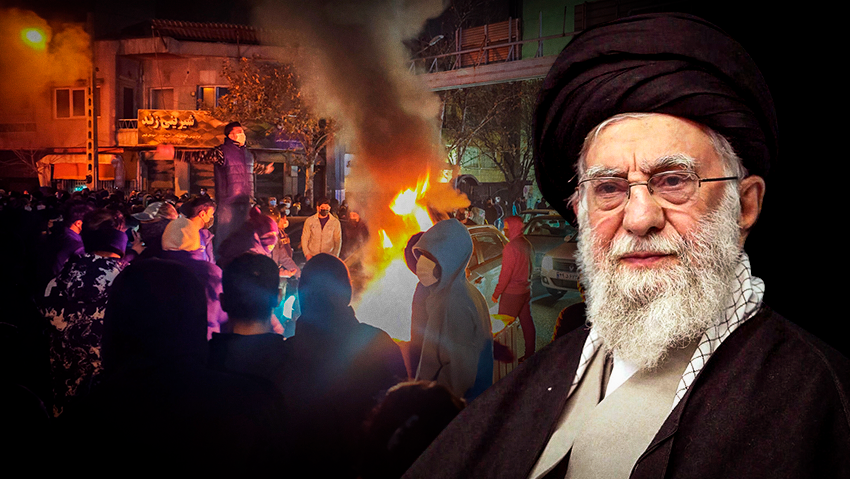
(Photo: Anonymous/Getty Images, AP)
That said, informed sources assess the likelihood of Iran launching an offensive against Israel or U.S. forces as no more than moderate. The Pentagon is amassing substantial defensive and offensive capabilities in the region, and Iran understands that Israel could strike again, this time more effectively, given the severe degradation of Iran’s air defenses.
Tehran also knows that Israel and the United States have a clear interest in completing the destruction of Iran’s remaining ballistic missile and drone production capabilities, along with bases of the Revolutionary Guard, the Basij, the police and the regular army. Past behavior suggests Iran is reluctant to initiate conflict unless it is struck first.
History also shows that when faced with the prospect of direct confrontation with the United States, Iran has often backed down at the last moment. In 2003, under President Mohammad Khatami, it froze its military nuclear program to avoid war. In 1988, Ayatollah Ruhollah Khomeini accepted a humiliating ceasefire with Iraq, famously describing it as “drinking the poisoned chalice.” There remains a strong possibility that under U.S. pressure, Khamenei will again choose negotiations on Washington’s terms.
Despite these restraining factors, it currently appears that the United States is driving the immediate rise in regional volatility. The U.S. force buildup suggests Trump is prepared to act, and his unpredictability reinforces the sense that the ayatollahs, including Khamenei, may soon learn what he meant when he tweeted to Iranians that “help is on the way.”
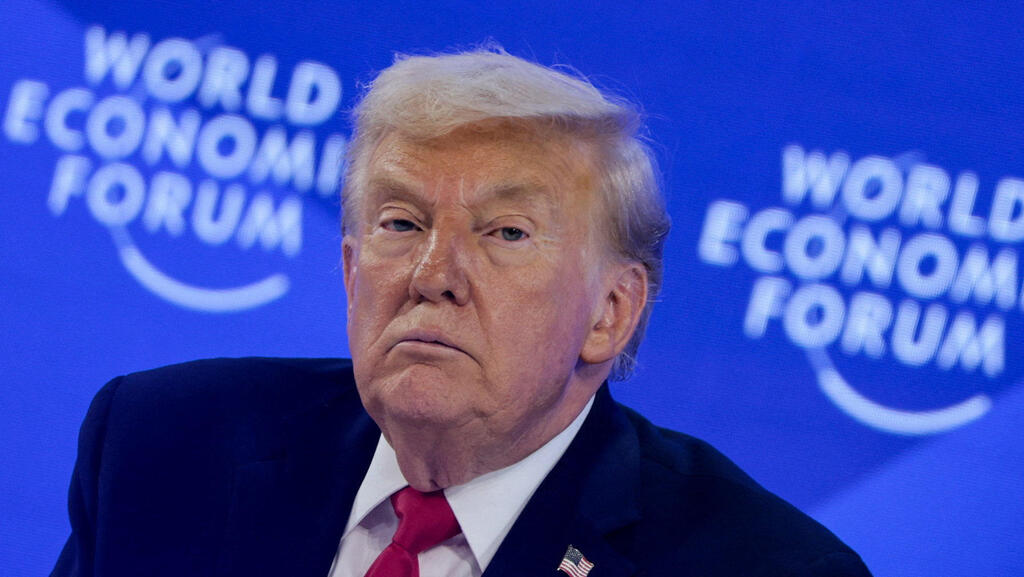
(Photo: REUTERS/Jonathan Ernst)
Israeli assessments hold that if Iran does not agree within weeks to negotiations under U.S. conditions, Washington will strike Iran in some form. At the same time, powerful countervailing considerations exist on the U.S. side. The United States likely lacks a military formula for one or two strikes that would bring down the regime. Even killing or capturing Khamenei and severely damaging the Revolutionary Guard’s command structure would not guarantee collapse, and his successor could be equally radical and brutal.
There is no opposition force currently strong enough to take power, nor a senior cleric or security leader signaling a break from the regime’s hard line, unlike recent developments in Venezuela. Another possibility is that U.S. strikes would trigger chaos or civil war, further increasing civilian suffering. In Iran, more than anywhere, only the people themselves can bring about regime change. External actors can assist, but a single kinetic campaign will not achieve what softer measures have failed to deliver.
Israel is likely to join a sustained US campaign against Iran
One plausible alternative is that if negotiations fail, the United States will use its amassed forces for a prolonged air campaign aimed at thoroughly destroying Iran’s missile and nuclear capabilities, remaining air defenses and the industrial infrastructure needed to rebuild them. Israel would likely join such a campaign if attacked, forcing the Israeli home front to defend itself and possibly absorb damage.
Preparations by the United States and Israel for any of these scenarios would, at best, take several weeks. The longer the preparation period, the less damage Iran would be able to inflict. Defensive readiness involves not only detection and interception systems and a disciplined civilian population, but also additional capabilities, some familiar and others unexpected.
What unites all these scenarios is that none is expected to unfold in the immediate future. The restraining factors are substantial, and it is reasonable to assume that advance warning will be provided.
First published: 20:06, 01.21.26