


For decades, the undisputed axiom of Western security architecture in the Eastern Mediterranean has been Egyptian indispensability. From the Camp David Accords to the Global War on Terror, Cairo leveraged its demographic mass and geography to market itself as the ultimate bulwark against regional destabilization.
This narrative allowed Egypt to command billions in international bailouts and top-tier foreign military financing. However, recent crises have stress-tested this assumption, revealing a severe misalignment between Egypt’s perceived strategic value and its actual sovereign capacity.
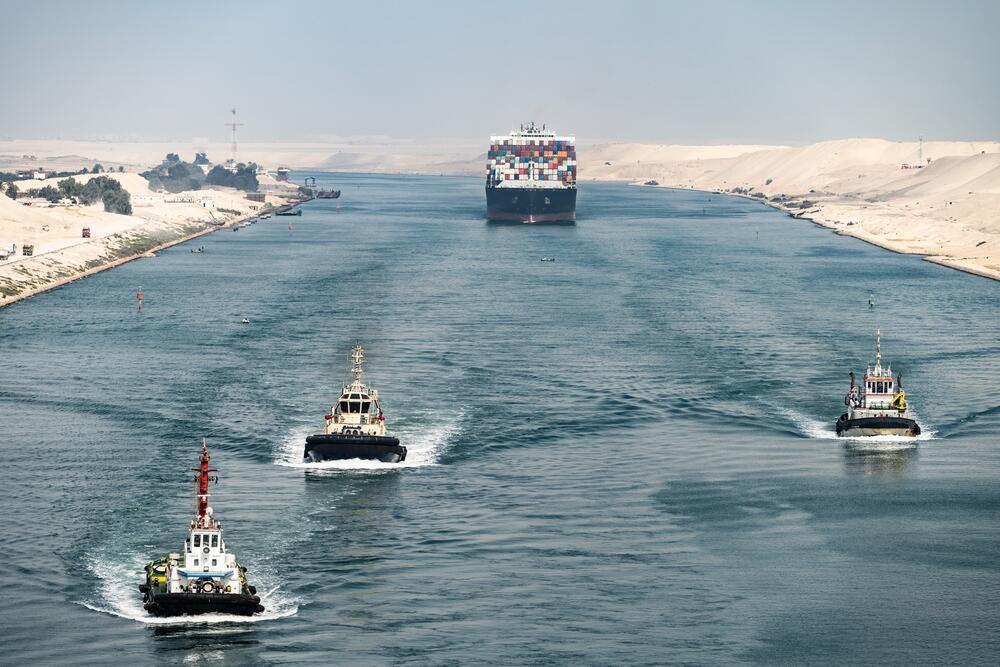
Two synchronous data points released recently—the quantified collapse of Suez Canal revenues and the emergency procurement of 20 liquefied natural gas (LNG) cargoes—expose a structural insolvency threatening the broader Mediterranean alliance. Egypt is rapidly transitioning from a regional stabilizer into a systemic liability.
The collapse of transit deterrence
Geopolitical leverage in the modern Middle East is increasingly defined by infrastructure power and energy transit centrality. Egypt’s primary strategic asset is the Suez Canal. Yet, transit centrality is only a geopolitical asset if a state possesses the sovereign military capacity to defend it.
The Iranian-backed Houthi blockade of the Bab el-Mandeb Strait has effectively bypassed Egypt’s heavily subsidized military. Despite operating the best-equipped navy in the Arab world, Cairo maintains a posture of strict strategic passivity, outsourcing the physical risks and financial costs of maritime deterrence entirely to the United States, Britain and Israel.
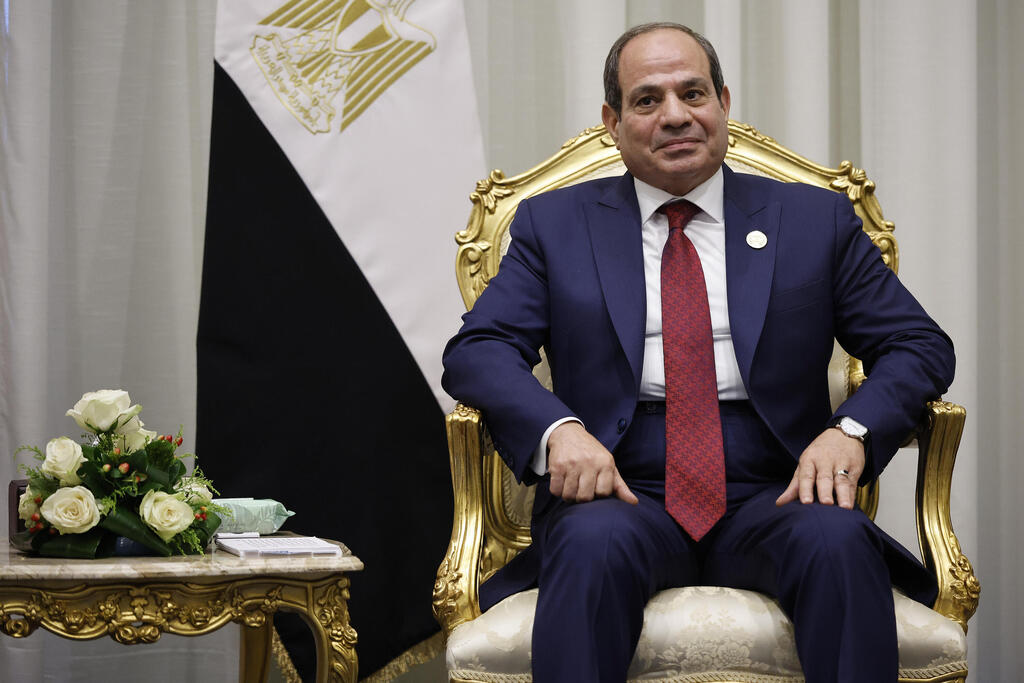
Egyptian President Abdel Fattah El-Sisi
(Photo: Chip Somodevilla/Getty Images)
The macroeconomic fallout is a matter of public record. According to the Suez Canal Authority and the Central Bank of Egypt, canal revenue plummeted from a historic baseline of $10.25 billion in 2023 to $3.99 billion in 2024—a 61% year-over-year collapse. Compounded by continued fiscal hemorrhaging into the 2024/2025 cycle, the Houthi siege has carved a devastating $10 billion deficit into Cairo’s balance sheet.
This is a profound failure of sovereign force projection. A state unable to secure its primary economic artery cannot be relied upon to anchor regional maritime security.
The energy arbitrage exposé
This strategic impotence extends directly to Cairo's heavily promoted energy sector. The humiliating necessity of importing 20 emergency LNG cargoes this month on the volatile spot market dissects Egypt’s ambition to serve as the Eastern Mediterranean's premier energy hub.
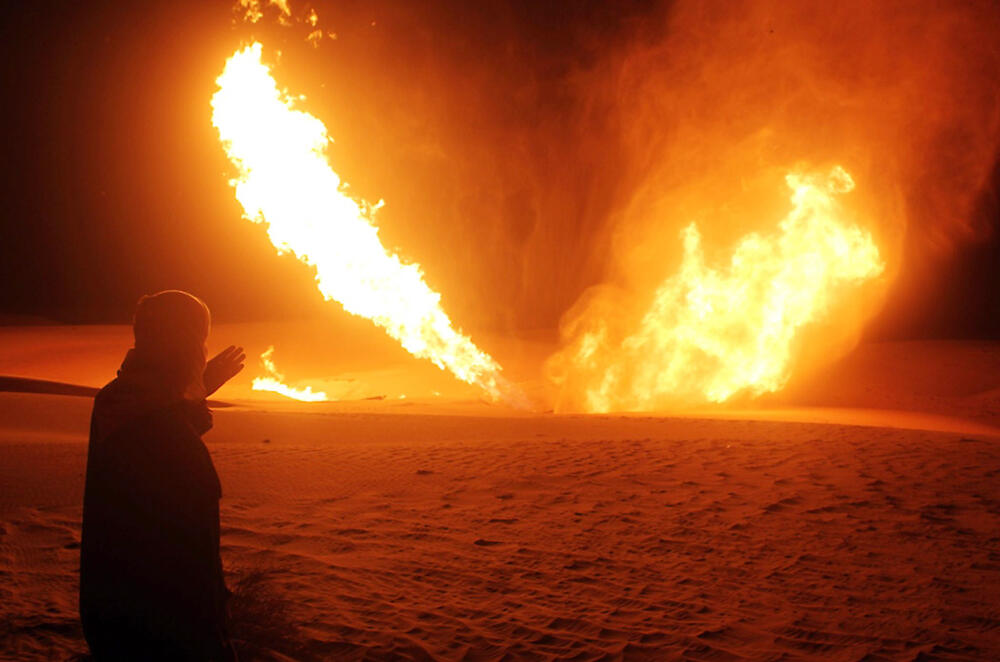
Sabotage attack on Egypt-Israel gas pipeline in Sinai
(Photo: AFP)
Following chronic underinvestment and the rapid depletion of domestic production at the flagship Zohr field, Egypt’s so-called "hub" status relies almost entirely on processing and re-exporting Israeli natural gas.
When regional conflict disrupts these inflows from the Tamar and Leviathan fields, or summer heat spikes domestic demand, Egypt immediately defaults to systemic grid failures. A true regional leader dictates energy flows; it is not held hostage by them. By relying so heavily on Israeli gas imports just to stave off rolling blackouts, Egypt currently operates as a net consumer of Israeli security rather than a partner providing mutual stabilization.
The anatomy of a rentier military economy
To understand why a nation of 110 million people remains perpetually vulnerable to external shocks, one must examine its domestic economic architecture. The Egyptian military-industrial complex operates as a closed-loop system. By dominating sectors ranging from civilian agriculture to heavy infrastructure, the military apparatus crowds out private enterprise, deters foreign direct investment and suffocates civilian economic resilience.
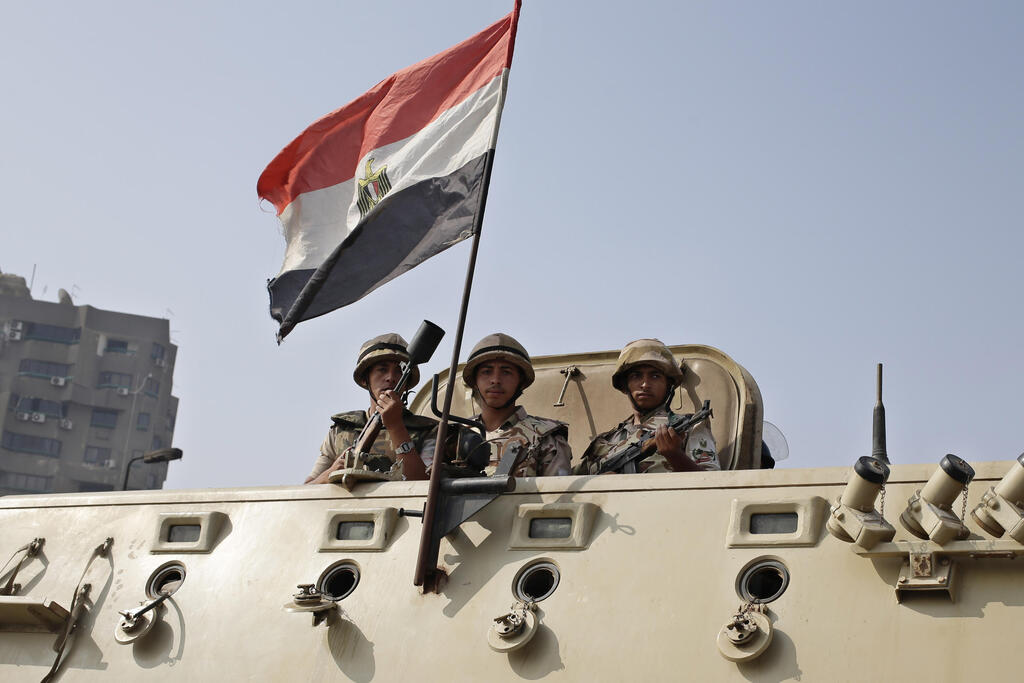
Egyptian soldiers
(Photo: AP/Hassan Ammar)
This model relies on a parasitic rentier cycle. The regime leverages the implicit threat of its own domestic collapse to extract continuous financial lifelines from Gulf monarchies, the IMF and Western capitals.
The state consumes the nation’s wealth to maintain internal regime survival and pacify its officer class, leaving the treasury too depleted to modernize its economy or project military power abroad.
The result is a hollowed-out rentier state that demands constant external subsidies while offering diminishing returns in regional security.
Strategic reassessment for Washington and Jerusalem
This structural fragility poses an immediate threat to the expanding architecture of the Abraham Accords and Mediterranean security. For decades, Washington and Jerusalem have subsidized this architecture under the doctrine that Cairo is "too big to fail," underwriting massive deficits out of fear of a Muslim Brotherhood resurgence on Israel's southern border.
 Amine Ayoub
However, indulging the myth of Egyptian indispensability carries an unsustainable strategic cost. The West and its regional allies are trapped in a reactionary cycle, perpetually subsidizing a state that cannot secure its maritime borders, manage its domestic energy grid or project meaningful deterrence against the Iranian axis of resistance.
As the geopolitical center of gravity in the Middle East shifts, policymakers must move beyond the inertia of the Camp David-era status quo. The successful containment of Iranian hegemony requires active partners capable of projecting actual infrastructure power and maintaining sovereign economic resilience. Relying on a traditional anchor currently sinking under a $10 billion deficit is a glaring vulnerability the alliance can no longer afford to ignore.
- Amine Ayoub, a fellow at the Middle East Forum, is a policy analyst and writer based in Morocco.