


The relations between the cabinet and the IDF have been steadily deteriorating over the past two weeks. The criticism from far-right ministers Itamar Ben-Gvir and Bezalel Smotrich over the conduct of IDF Chief of Staff Eyal Zamir cannot be ignored. Also evident are the leaked descriptions from Prime Minister Benjamin Netanyahu's office about how he repeatedly banged on the table during those confrontations.
The story is actually about a military rule and the conquest of Gaza. Israel's military is weary of such an eventuality when it is already stretched to the limit in terms of the number of troops, as the government intends to legislate an exemption from service for Haredi men, amid increasing security challenges and after nearly two years of war.
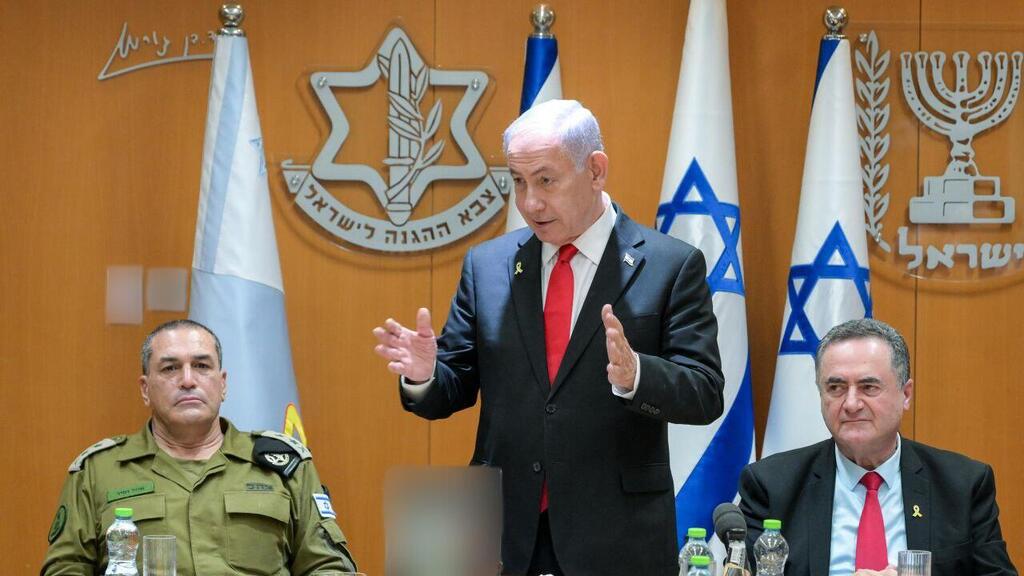
Chief of Staff Eyal Zamir with Prime Minister Benjamin Netanyahu and Defese Minister Katz during a cabinet meeting
(Photo: GPO)
At the same time, the far-right coalition partners, bolstered by less vocal supporters from within Netanyahu's party, believe that is the way forward. Only by remaining in the Strip will Hamas be defeated and Israel's security in the area ensured.
The IDF had devised the plan. It includes removing the entire population of Gaza to the humanitarian zone in southern Gaza, through passages where terrorists would be weeded out of the moving civilian convoys (though how that would be done is unclear) and establishing an administration there while the rest of Gaza would be under siege that would ultimately result in the extraction of live hostages.
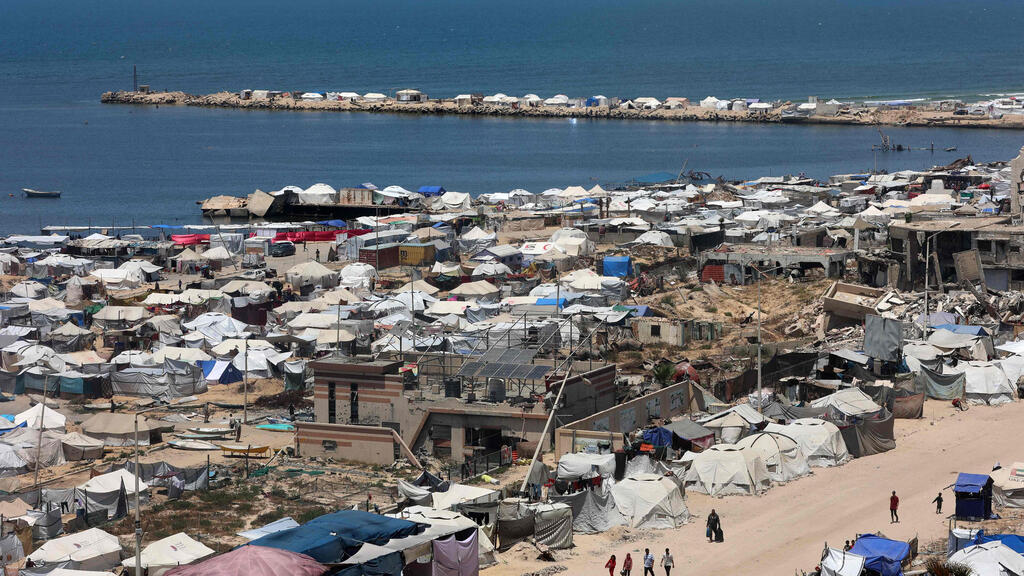
Tents hold dispalced Gaza civlians
(Photo: Omar Al-Qattaa / AFP)
Who would be administering Gaza? Who would fund such an effort? Those questions remain unanswered.
This is a dangerous and complicated venture that requires moving a million civilians from Gaza City and its surrounding areas, including the refugee camps in the center of the Strip, while putting the lives of hostages in peril. The IDF said it is not feasible and the minister responded by attacking its chief despite his leadership over military victories under difficult conditions and with a real shortage of troops.
Zamir was quick to learn what his predecessors knew when dealing with such an extreme coalition: If the truth is not expressed clearly to the cabinet, there is an opening for lies that become the foundation for policy.
Netanyahu is in Washington and will meet with U.S. President Donald Trump later on Monday. His allies have been saying that he will tell Trump that Israel intends to take the Strip and end Hamas once and for all. They have already argued that the war must go on and that Hamas' response to the latest ceasefire proposal would lead to disaster and must be rejected.
Get the Ynetnews app on your smartphone: Google Play: https://bit.ly/4eJ37pE | Apple App Store: https://bit.ly/3ZL7iNv
At the same time, Netanyahu finally visited the Gaza border community of Nir Oz and embraced survivors of the massacre, hostages who returned from captivity and the families of hostages held in Gaza. He appeared to be setting the stage for a deal and spoke of "a new Middle East."
The American position is also clear. The White House is expecting an end to the war. But as always, Netanyahu will decide at the last moment, keeping all balls - the far-right, Hamas and the Trump administration - in the air for as long as possible.

Benjamin Netanyahu, Donald Trump
(Photo: Tal Shahar, Alex Brandon / AP)
After all of the maneuvering, the Middle East is within reach of a real change. Trump wants it quickly and is justifiably impatient. Even Netanyahu understands that there is a rare opportunity available to him, but the road there must pass through ending the war.
Netanyahu, when he banged on the table, insisted that Hamas must be totally defeated, but as political reporters have noted, he doth protest too much. He knows that conquering Gaza and killing hostages will not win him the next election and with the backing of the White House, he has the opportunity to reshape the region. The choice will ultimately be his.