


For the first time since Sept. 16, Prime Minister Benjamin Netanyahu held a press conference, this time alongside German Chancellor Friedrich Merz at the Prime Minister’s Office in Jerusalem. But the PMO allowed only four questions: two from Israeli reporters and two from German reporters. It became known that the PMO had selected in advance which Israeli journalists could ask questions — Tamir Morag of Channel 14, which consistently gets the first question, and Maariv reporter Anna Barsky.
The PMO not only chose who would ask questions but required that they not be asked in Hebrew, and Barsky was instructed to direct her question to Merz only, which the PMO said was due to scheduling constraints. During the press conference, Netanyahu’s spokesman, Ziv Agmon, claimed he had not chosen the questioners and that this had been done by the PMO staff. In other words, not my responsibility. (“This is a lie,” Agmon later said. “We never asked that the prime minister not be asked questions — and he was asked plenty.” Still, one of the selected reporters said colleagues had indeed been told otherwise.)
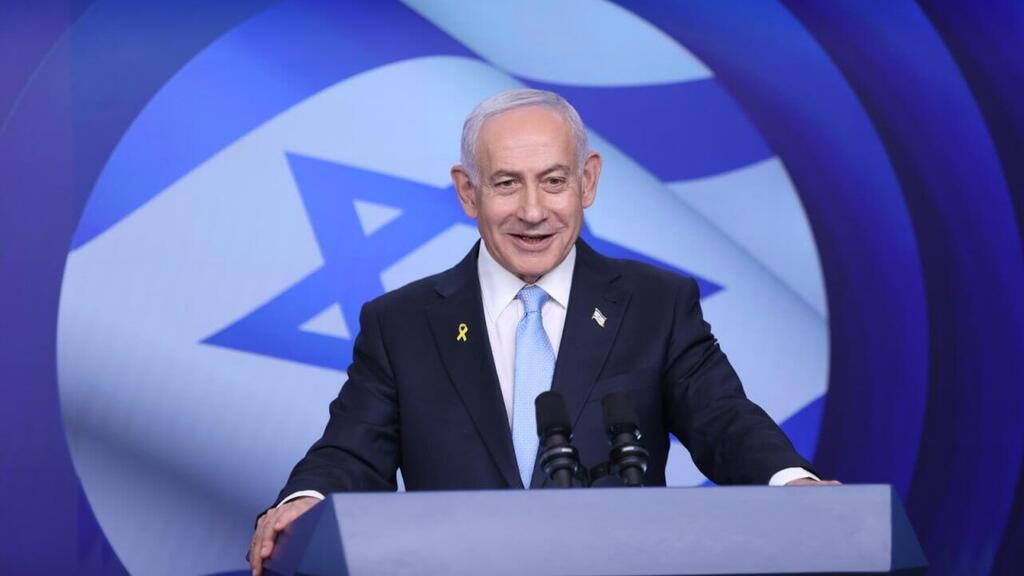
This is an unprecedented situation in which the PMO selects the questioners and dictates to whom each question may be addressed. It appeared the office feared Israeli reporters would question Netanyahu about issues he would prefer to avoid: his request for a presidential pardon from Isaac Herzog or the appointment of Roman Gofman as Mossad chief despite his lack of intelligence and operational experience and the fact that he has held the rank of major general for only one year and has never run an organization.
Netanyahu does not want to answer to the public about his pardon request. Channel 13’s Gil Tamari threw an unscripted question at him in Hebrew, asking whether he would retire from political life if granted a pardon. Netanyahu was caught off guard and answered firmly, “No,” then jabbed at the journalists by telling Merz in English that “the reporters are very concerned about his future.”
Relations between the PMO and the Israeli press have reached an all-time low, with the office effectively boycotting most of the media. The PMO does not respond to formal inquiries, provides almost no briefings and sends updates only to loyal outlets and reporters considered close to the prime minister. (The PMO did not respond to these claims.) There is not even an attempt to maintain the appearance of a free press.
At the entrance to the PMO, reporters encountered unprecedented security checks. Journalists were delayed nearly two hours and subjected to exhaustive inspections in which their equipment was disassembled, including wallets and toiletry bags. One veteran diplomatic correspondent was told she could not bring her laptop into the press conference because security detected “something” in the device. Officials refused to explain what it was. The stunned reporter noted she had flown with that same laptop on Netanyahu’s plane. It did not help. She was forced to leave it behind. (Agmon said he had “no idea” about the incident.)
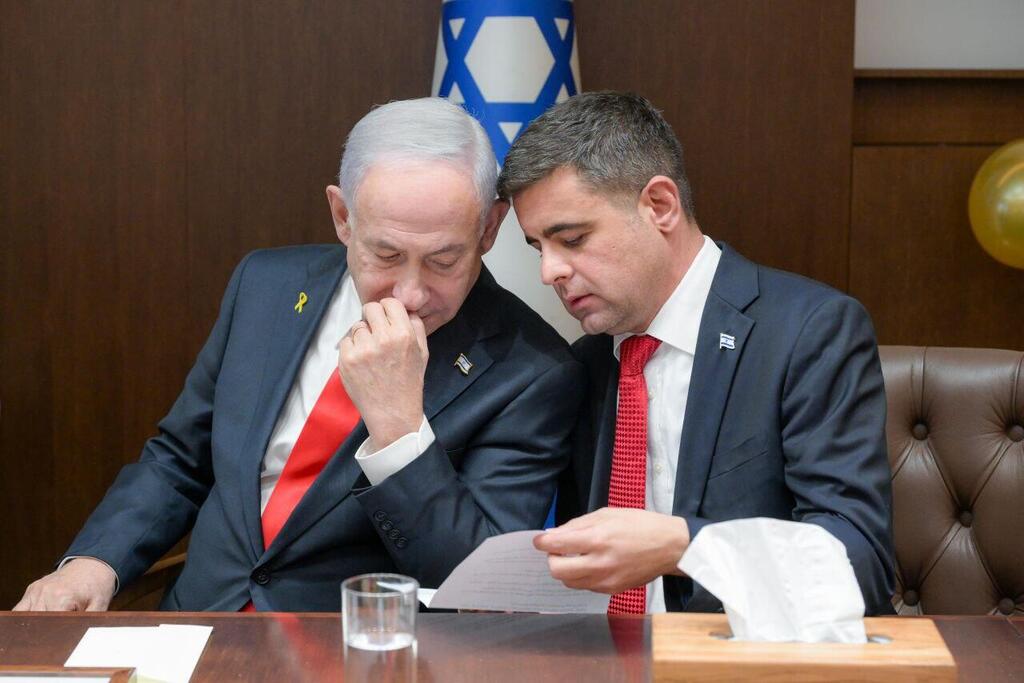
They deny that reporters were told not to ask Netanyahu questions; the Prime Minister and his spokesman Ziv Agmon
(Photo: Maayan Toaf, GPO)
In addition, Agmon, who lacks media experience, is not functioning as a spokesperson and is seen as a leading candidate to become Netanyahu’s chief of staff, replacing Tzachi Braverman, who is awaiting King Charles’ signature before beginning his post as Israel’s ambassador to the United Kingdom. Netanyahu urgently needs a spokesperson and a reset in relations with the Israeli media. Under the current conditions, Israelis should understand that when reporters cannot perform the most basic task — asking questions and getting answers — the PMO is not operating under a free-press standard.
Another important point: the PMO recently chose not to take Israeli reporters aboard the prime minister’s plane, a move unprecedented among Israeli leaders who traditionally traveled with a press pool. The PMO cited security considerations and the need to save fuel because flights now avoid certain countries following the arrest warrants issued against Netanyahu. But this appears to be a pretext. Netanyahu simply does not want persistent reporters posing questions.
Agmon said in response: “The press is free and claims of harm to the media are an absolute lie.”
Itamar Eichner is the diplomatic correspondent for ynet and Yedioth Ahronoth.