

The American midterm elections have created a new political reality in Washington. As an American who has spent decades working at the intersection of faith, public life and the relationship between the United States and Israel, I understand what these elections mean. Voters are concerned about the economy, inflation, the cost of living, and the issues that affect their daily lives. These concerns shape the political debate and will occupy much of Congress’s attention in the months ahead.
But there is a distinction we must not lose sight of: domestic political developments are not the same as America’s long term national interests. Elections change political calculations. They do not erase strategic realities, and they should not determine the future of an alliance as important as the one between the United States and Israel.
Gallery
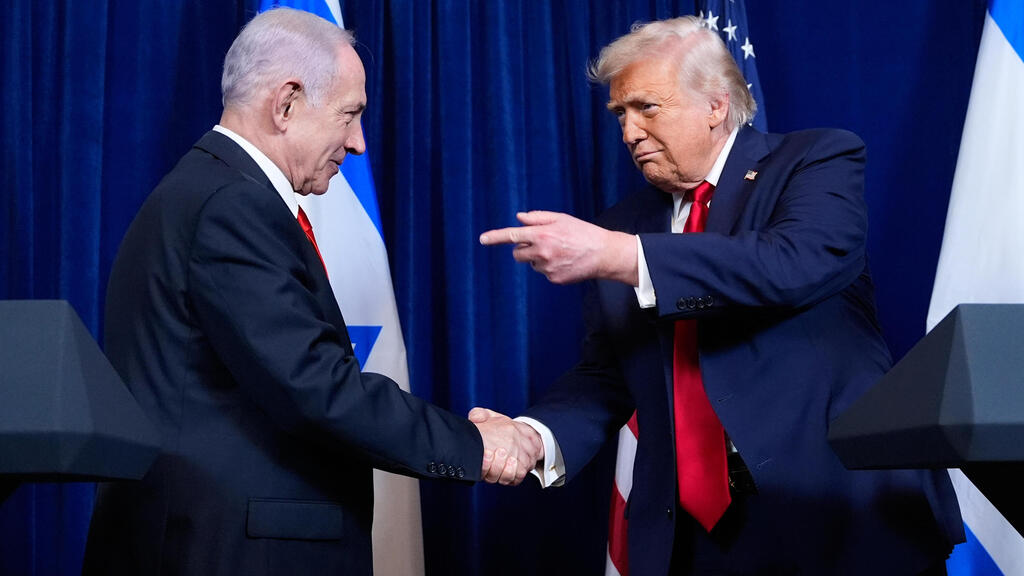
Trump and Netanyahu: . Elections change political calculations. They do not erase strategic realities
(Photo: Alex Brandon/AP)
I have devoted much of my life to strengthening that alliance. I have seen it from the perspective of an American, an evangelical Christian, and someone who has worked for decades to bring people together in support of Israel. One lesson has become increasingly clear to me: America needs Israel as much as Israel needs America.
For too long, the relationship has been described primarily in terms of American assistance to Israel. That description misses a fundamental part of the story. Israel is not simply a country that receives American support. It is a strategic partner that contributes directly to America’s security, technological strength, and national interests.
Israel provides intelligence that helps the United States understand threats and confront shared enemies. Its military experience, defense capabilities, and operational knowledge offer lessons and advantages that cannot be measured in dollars. Israeli innovation is also shaping some of the most important fields of the future, including cybersecurity, artificial intelligence, advanced technology, and defense systems.
I have watched Israel develop into a remarkable center of innovation and strategic expertise. In a world where security increasingly depends on intelligence, technology, and the ability to respond quickly to emerging threats, Israel brings capabilities that are valuable not only to its own defense but to the United States and its allies.
This is not charity. It is a partnership built on shared interests and mutual benefit.
I have also had the privilege of witnessing historic moments that demonstrated what this alliance can achieve. One of the most meaningful was in May 2018, when I hosted the gala celebrating the opening of the United States Embassy in Jerusalem. For me, this was far more than a diplomatic celebration. It was the realization of a historic promise and a powerful recognition of Jerusalem’s place in the story of the Jewish people and the State of Israel.
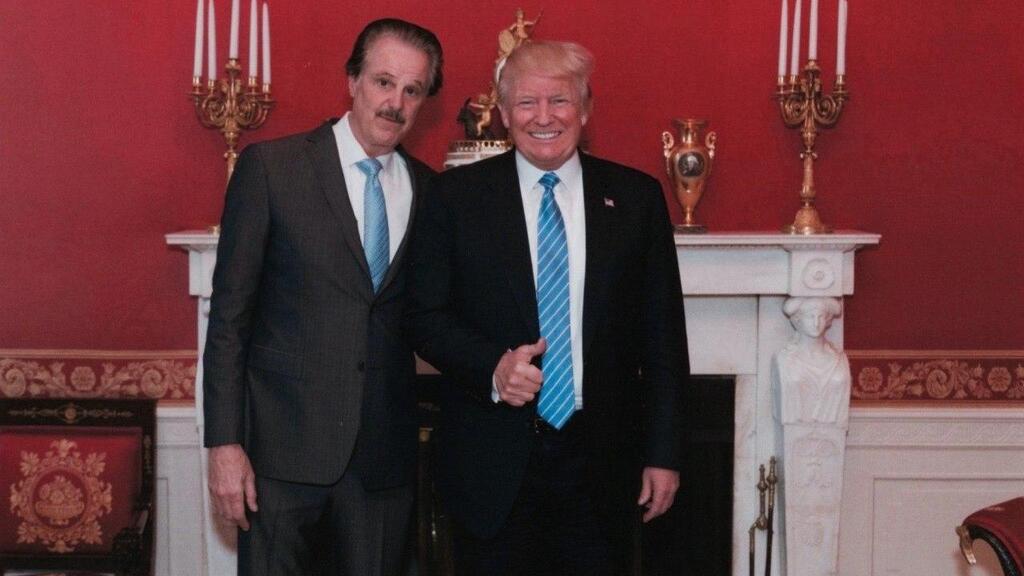
Mike Evans at the White House with US President Donald Trump
(Photo: White House)
I was proud to be part of that moment. After years of working to strengthen the bond between America and Israel, seeing the United States Embassy open in Jerusalem was deeply meaningful. It showed what can happen when political leadership, conviction, and a genuine commitment to an ally come together. It was a moment when history was made, not simply discussed.
President Donald Trump understands Israel’s strategic importance. I have seen his commitment to the Jewish state, and I believe it would be a serious mistake to interpret the midterm results as a reason to expect a fundamental change in his policy toward Israel. Congress will certainly influence the domestic agenda, and political disagreements are inevitable. But American foreign policy and national security remain areas in which the president has considerable authority and responsibility.
Trump has already demonstrated the importance he attaches to the relationship with Israel. During his first presidency, he recognized Jerusalem as Israel’s capital, moved the American Embassy to Jerusalem, recognized Israeli sovereignty over the Golan Heights, and helped advance the Abraham Accords. These were historic decisions. They reflected an understanding that a strong Israel serves American interests and that peace in the Middle East is possible when America stands firmly with its allies.
I believe the coming years can build on that foundation. The political challenges created by the midterm elections do not erase the strategic importance of Israel, nor do they undo the historic steps already taken.
But the strength of this relationship cannot be understood through Washington alone. It is also rooted in the American people, and particularly in a community whose influence should never be underestimated: evangelical Christians.
As an evangelical Christian, this is not an issue I observe from the outside. It is part of my own faith and life. I know firsthand the depth of the bond that millions of Americans feel with Israel. Tens of millions of evangelical Christians across the United States stand with the Jewish state. Their support is not simply a political position or a temporary response to events. It comes from deeply held biblical convictions, faith and shared values.
Over the years, I have met pastors, community leaders, businesspeople, educators, and ordinary believers across America who feel a profound connection to Israel. I have seen how that commitment shapes their communities and motivates them to speak up for the Jewish people. These are people who vote, organize, lead, and make their voices heard in American public life. Anyone who underestimates their commitment to Israel, or their influence, misunderstands an important part of the American landscape.
And this support extends far beyond the United States.
Just last month, I brought a delegation of more than 1,000 Christian leaders, community leaders, and influencers from around the world to Israel. They came from more than 120 countries and represented communities whose reach extends to tens of millions of people. I wanted them to see Israel for themselves, to meet its people, to hear their stories, and to stand with the country at a time when it faces hostility, misinformation and attempts at international isolation.
For me, bringing these leaders to Israel was not simply another international gathering. It was part of a mission I have pursued for decades: building personal relationships that turn solidarity into meaningful action. When people come to Israel, see the country with their own eyes, and meet the people who live here, they take home something that no headline or social media post can replace.
The international broadcast marking the third anniversary of October 7 reached more than 250 million people around the world. That figure represents something much larger than an audience. It demonstrates that the story of Israel, the memory of October 7, and the determination to stand with the Jewish people continue to resonate across borders and continents.
Through the Friends of Zion movement, which I founded, I have spent years building bridges between Israel and Christian communities around the world. Establishing the Friends of Zion Museum in Jerusalem was part of that vision: creating a place that tells the story of the people and nations who stood with the Jewish people throughout history. I have seen how these relationships can grow from shared faith and values into lasting friendships and practical support.
These bonds are not created in a single election cycle, and they do not disappear when political winds change.
There is another important point that Americans should understand. President Trump’s decision to end the approximately $4 billion in annual American military assistance to Israel should not be interpreted as the end of the strategic partnership. Israel has developed into a powerful economy, a global center of technological innovation, and a leading defense industry. It has the talent, creativity, and determination to assume greater responsibility for its own security.
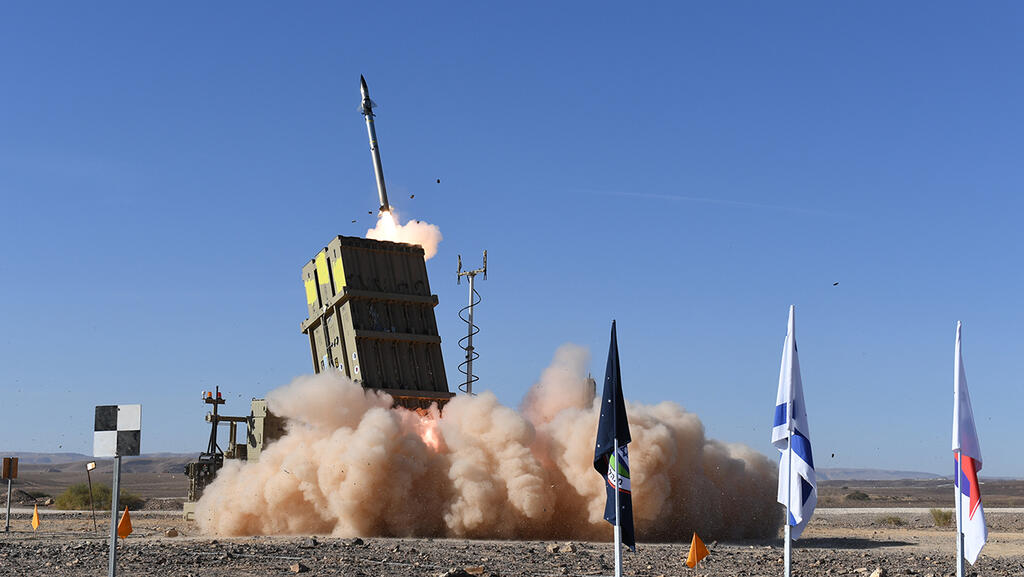
The US has contributed over $1.5 billion to the development of the Iron Dome missile defense system
(Photo: Defense MInistry)
Israeli leaders have also spoken about the goal of gradually ending dependence on American military aid. That is a sign of strength and maturity, not a weakening of the relationship. A partnership between two strong nations should be measured not only by the assistance one provides to the other, but by what they can achieve together.
The United States and Israel face shared challenges in a dangerous world. Both understand the threats posed by terrorism, extremism, and hostile regimes. Both recognize the importance of intelligence, technological superiority, and the ability to defend democratic societies. Their cooperation is not a favor. It is an investment in the security of both nations.
When I look back at the many years I have spent working to strengthen the relationship between America and Israel, I think of the historic moments, the leaders I have met, the communities I have visited, and the thousands of people who have chosen to stand with Israel. From hosting the gala celebrating the opening of the American Embassy in Jerusalem to bringing more than 1,000 international Christian leaders to Israel last month, I have seen again and again that this relationship is sustained by people who believe in it and are willing to act on that belief.
The midterm elections may change the balance of power in Washington. They may make the president’s domestic agenda more difficult and create new political challenges. But they do not change the fundamental truth: America and Israel need one another.
America needs Israel’s intelligence, military capabilities, technological innovation, and strategic partnership. Israel needs America’s friendship, diplomatic influence, and cooperation. And both nations benefit from the millions of people, especially evangelical Christians, who understand that this relationship is about far more than politics.
I have spent my life building bridges between these two nations. I believe their alliance is stronger than any election, any political disagreement, or any temporary shift in Washington.
America needs Israel. Israel needs America. And the world is stronger when the two stand together.
Dr. Mike Evans is a New York Times bestselling author of more than 120 books and the founder of the Friends of Zion Museum in Jerusalem, the Corrie ten Boom Museum in the Netherlands, and Churches United with Israel, one of the largest Christian Zionist networks in America.