

As commander of the first force to jump from the aircraft into the darkness of that night, 4,000 kilometers (about 2485 miles) from Israel, our mission was clear. We were there to secure the runway and help rescue 105 hostages being held by terrorists in Uganda. Within minutes, one of the most daring rescue operations in modern history was underway.
Gallery
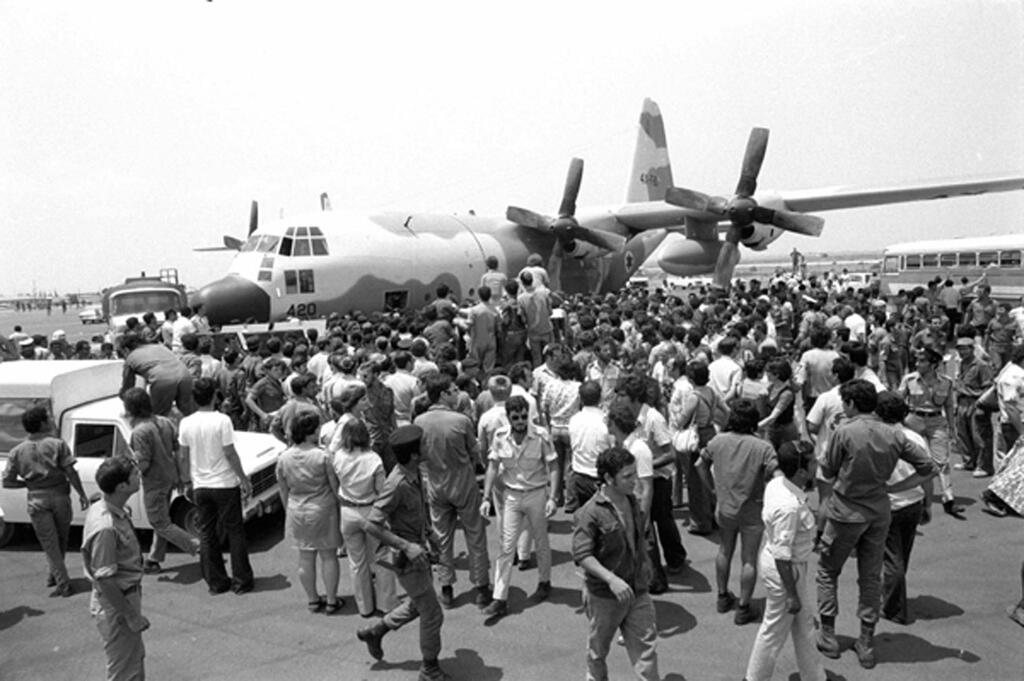
Welcoming the Operation Entebbe liberators
(Photo: IDF Archives at the Ministry of Defense/Avi Simhoni, Miki Tzarfati)
The Entebbe operation has rightly been remembered for its military precision and courage. Yet for me, its significance has always extended far beyond the battlefield. It represented one of the most powerful expressions of a principle that has sustained the Jewish people throughout our history: mutual responsibility.
At its core, Entebbe was a declaration that the fate of every Jew matters. It reflected the understanding that when Jews are in danger, we do not stand aside. We act. The State of Israel undertook an extraordinary mission because it understood that responsibility for those hostages did not belong only to their families. It belonged to all of us.
Fifty years later, that lesson remains as relevant as ever.
Since October 7, 2023, Israel and the Jewish people have been living through one of the most painful periods in our modern history. The massacre carried out by Hamas shattered lives, devastated communities, and left wounds that will remain with us for years to come. Thousands of families have been directly affected by loss, injury, displacement, and trauma. Hundreds of thousands of reservists have repeatedly left their homes, families, and careers to defend the country.
At the same time, Jewish communities around the world have faced an alarming resurgence of antisemitism. Students have encountered hostility on university campuses. Jewish institutions have increased security measures. Many Jews have found themselves confronting a reality they never expected to experience in countries they considered home.
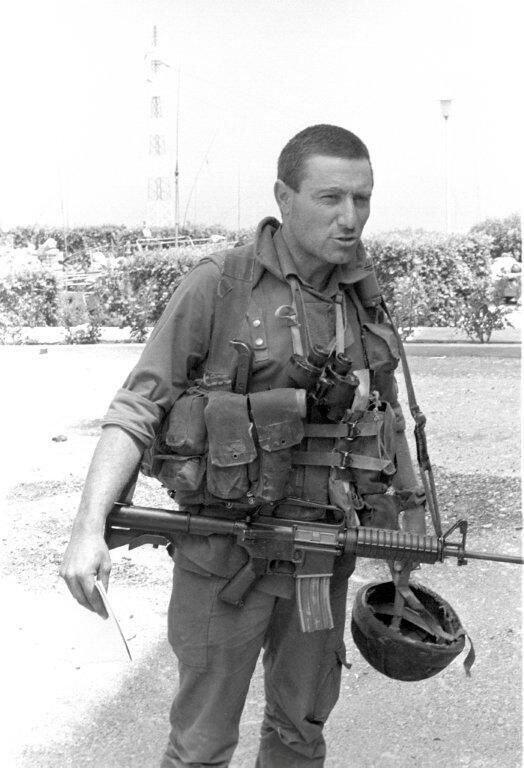
Chairman of the Jewish Agency, Maj. Gen. (ret.) Doron Almog
(Photo: Courtesy)
Yet alongside these challenges, we have witnessed something remarkable. Jewish communities around the world mobilized in support of Israel with a sense of purpose and commitment unlike anything we have seen in decades. Community leaders, philanthropists, volunteers, young people, and longtime supporters stood shoulder to shoulder with Israel during some of its darkest moments.
At the Jewish Agency for Israel, we see this commitment every day. We see it in communities that continue to strengthen their ties to Israel despite growing pressures. We see it in young Jews seeking a deeper connection to their heritage and identity. And we see it in the growing number of people who are choosing to build their futures in Israel, even during a time of war.
This bond between Israel and world Jewry is not merely a matter of sentiment. It is one of the Jewish people's greatest sources of strength.
For generations, Israel has drawn support, talent, leadership, and inspiration from Jewish communities around the world. At the same time, Israel has served as a source of identity, pride, and security for Jews everywhere. The relationship is not one-sided. It is a partnership built on a shared destiny.
That is why efforts to create divisions between Israel and Diaspora Jewry are so damaging. Our strength has never come from uniformity. It has come from our ability to remain united despite our differences, while recognizing that we share responsibility for one another and for our collective future.
Today, Israel faces extraordinary challenges. Communities in both the north and south continue to rebuild. Soldiers and reservists are carrying a burden that extends far beyond the battlefield. Many will live with physical and emotional scars long after the fighting ends.
Meeting these challenges will require resilience, but it will also require renewal. One of the most important expressions of that renewal is Aliyah.
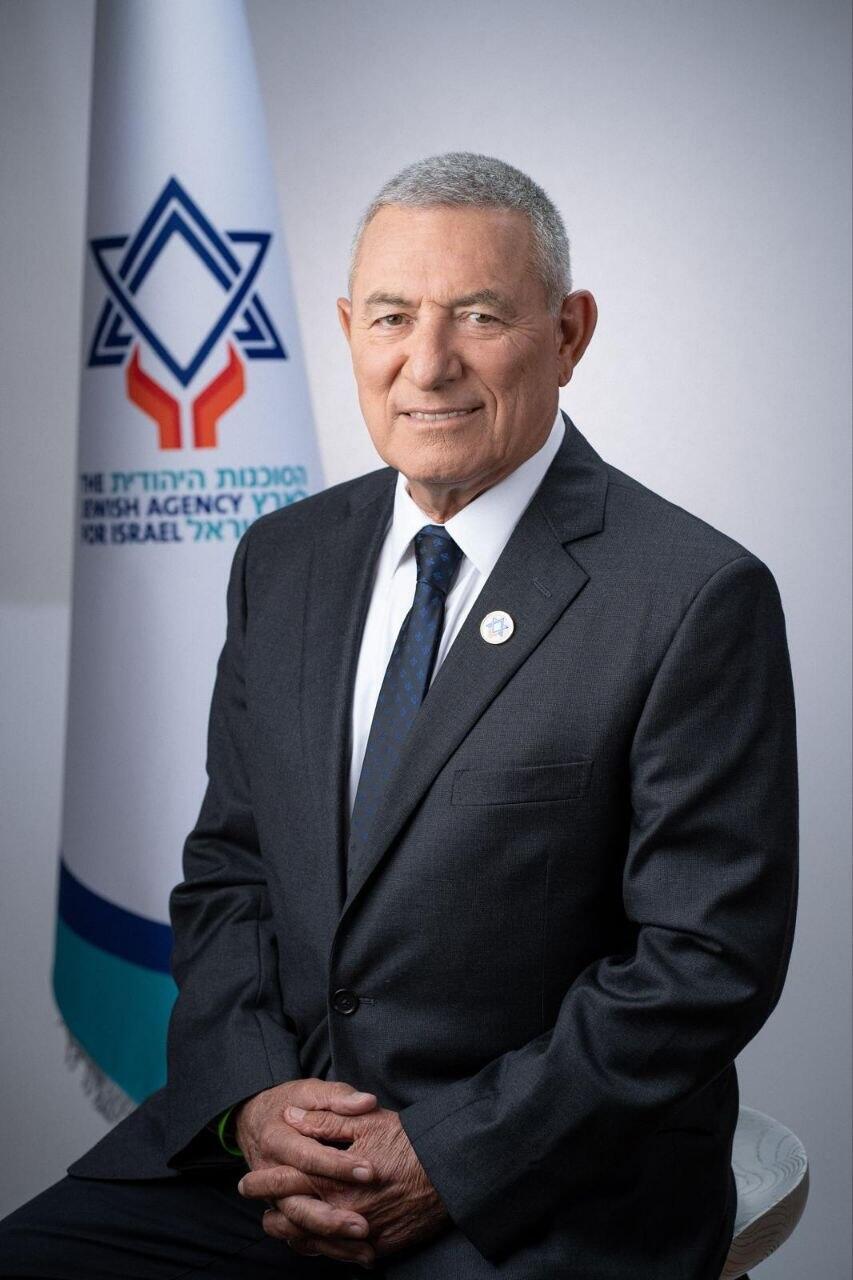
Chairman of the Jewish Agency, Maj. Gen. (ret.) Doron Almog
(Photo: Courtesy)
Aliyah is not simply a demographic objective. It is a powerful affirmation of the Zionist vision and of the shared future of the Jewish people. New immigrants bring talent, energy, creativity, and commitment. They strengthen our economy, our healthcare system, our educational institutions, and our national resilience.
Throughout Israel's history, great waves of immigration helped transform challenge into opportunity and crisis into growth. The years ahead call for that same spirit. We should aspire to welcome one million new immigrants in the coming years—not as a distant aspiration, but as a national mission that reflects both the needs of the moment and our confidence in the future.
When I think back to Entebbe, I remember not only the tension of that night, but also the overwhelming joy of seeing the hostages return home. More than anything else, I remember what that operation revealed about who we are as a people.
The lesson of Entebbe was never only about military courage. It was about the power of unity, shared responsibility, and an unwavering commitment to one another.
As we confront the challenges before us today, that lesson should continue to guide us. By strengthening the bond between Israel and world Jewry, encouraging aliyah, and renewing our commitment to mutual responsibility, we can ensure that this difficult chapter in our history becomes a foundation for growth, resilience, and hope.
Together, we can build a stronger Israel and a stronger Jewish future.