

Recent reports of direct American engagement with Hamas mark a significant departure from long-standing U.S. policy, raising serious strategic and political concerns. For decades, Washington avoided direct negotiations with Hamas, a group it officially designated as a terrorist organization in 1997. Instead, communication was typically conducted through intermediaries such as Qatar or Egypt. However, the latest contacts—reportedly involving U.S. envoys meeting Hamas representatives in Doha—signal a shift that could have far-reaching consequences.
At first glance, the rationale behind these talks appears pragmatic. U.S. officials had framed them as necessary efforts to secure the release of hostages and potentially stabilize Gaza. Yet this approach risks overlooking a deeper strategic reality: Engaging Hamas without requiring fundamental changes in its behavior may inadvertently legitimize it on the international stage.
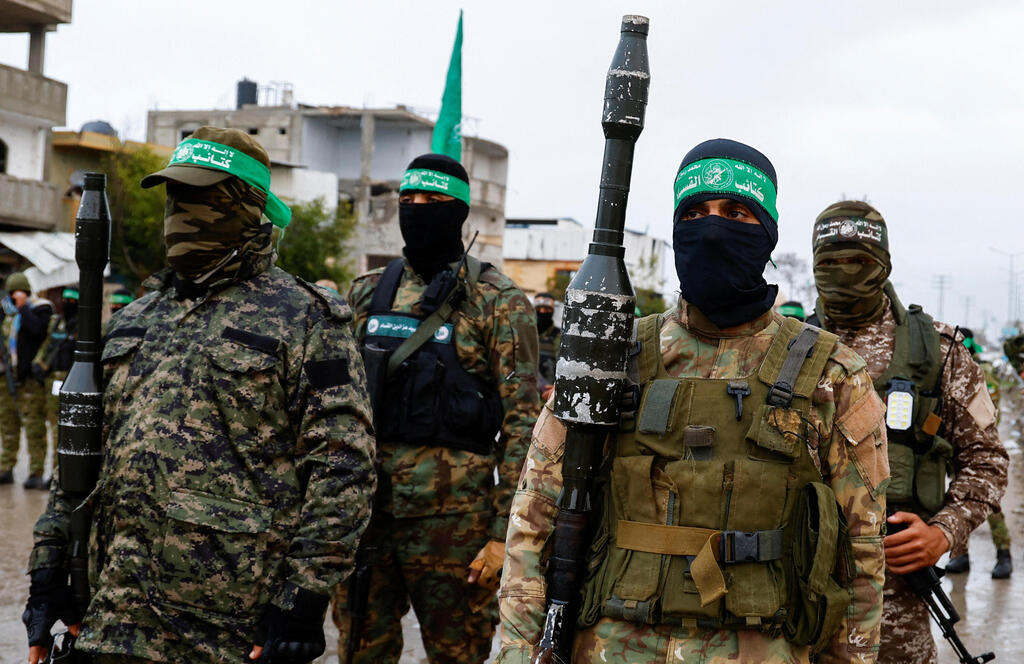
Hamas is not a conventional political actor seeking compromise. Its ideological foundation is rooted in “armed resistance,” and its long-term objectives have consistently included the rejection of Israel’s legitimacy. Expecting that dialogue alone can moderate such a movement reflects a misunderstanding of both its structure and its goals. Historically, Hamas has used negotiations and ceasefires as tactical tools—pauses that allow it to regroup, rebuild, and strengthen its position rather than steps toward genuine transformation.
The decision to open direct channels also sends a broader message beyond the immediate Israeli–Palestinian context. When a group that has relied on violence gains access to high-level diplomatic engagement without altering its core positions, it risks reinforcing a dangerous precedent: that terror can yield political recognition. This perception could resonate across the region, encouraging other non-state actors to adopt similar strategies in pursuit of legitimacy and concessions.
Moreover, such engagement may undermine U.S. credibility. For years, Washington has maintained that it does not negotiate with terrorist organizations. Deviating from this principle—especially without clear conditions—introduces ambiguity into U.S. foreign policy and raises questions among allies about consistency and reliability. Indeed, even within policy circles, concerns have emerged that direct talks could create friction with Israel and complicate coordinated diplomatic efforts.
Another critical issue lies in the internal dynamics of Hamas itself. The organization is not merely a political faction but a hybrid entity combining governance, military operations, and ideological indoctrination. Its armed wing is not separate from its political leadership—it is central to its authority. As a result, disarmament or moderation would require a fundamental restructuring of the movement, not simply a shift in negotiating posture. There is little evidence to suggest that such a transformation is currently underway or even being seriously considered by Hamas leadership.
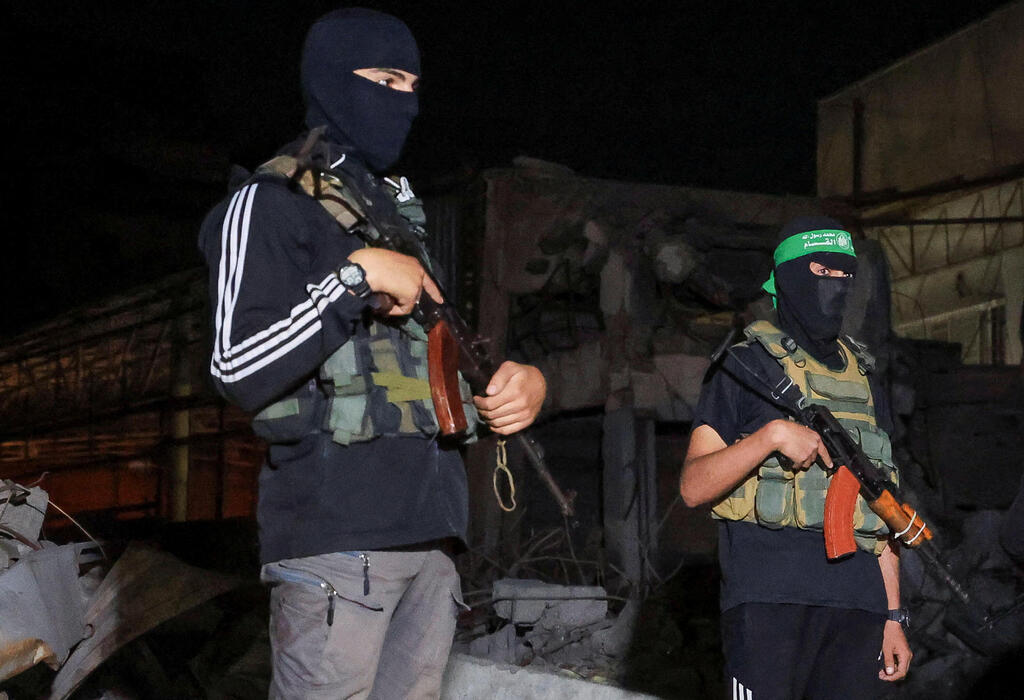
Hamas terrorists
(Photo: Dawoud Abu Alkas/Reuters)
Supporters of engagement argue that diplomacy often requires dealing with adversaries, not allies. While this is true in principle, the effectiveness of such engagement depends on clear objectives and enforceable conditions. In the absence of these, dialogue risks becoming an end in itself—one that provides the appearance of progress while leaving underlying dynamics unchanged.
Ultimately, the core issue is not whether the United States should seek to resolve conflicts through diplomacy, but how it chooses to do so. Engaging Hamas without demanding substantive changes—such as disarmament, recognition of Israel, or a renunciation of violence—risks strengthening the group both politically and strategically.
In this context, direct talks may achieve short-term tactical gains, such as limited hostage releases. However, they also carry long-term strategic costs: legitimizing a terrorist actor, weakening deterrence, and sending a signal that violence remains an effective path to political relevance.
The challenge for policymakers is to avoid confusing engagement with progress. Without a clear framework that ties dialogue to concrete behavioral change, negotiations with Hamas risk becoming less a tool for conflict resolution and more a mechanism that sustains the very conditions they aim to resolve.
Rami Al Dabbas is a writer/commentator known for opinion pieces on Middle East politics, critiques of Islamist movements, advocacy of political realism and engagement and a controversial presence on social media.