


This warning must be clear and urgent. In Israel, a dangerous misconception persists: that violence stirred by Jewish extremists can be managed and limited to harming “only” Palestinians, posing no real threat to Jewish existence.
On Tisha B’Av—a solemn day marking historic destruction partly caused by fanaticism—this false belief must be challenged. The truth is right before us: a faction determined to drag the country into flames has taken hold.
National Security Minister Itamar Ben-Gvir praying on the Temple Mount


In the West Bank and inside Israel, Jewish armed extremism—unchecked and encouraged by those in power—is growing. Followers of Kahanist ideology have split into political and militant wings, operating with government support, legal immunity and influence. While the political wing acts openly, the intentions of the militant wing remain unclear, linked to violent groups both overtly and covertly.
This situation poses serious risks. In the late 1990s, alongside Hamas suicide attacks, security forces feared an attack on the Temple Mount by Jewish militants—possibly using shoulder-fired missiles aimed at the Dome of the Rock.
Fast forward to 2025: National Security Minister Itamar Ben-Gvir is a convicted Kahanist extremist. Extremist groups now have greater access to weapons and motivation as the country remains at war.
Recently, Ben-Gvir, the political face of this extremist movement, publicly prayed at the Temple Mount under police protection, threatening the fragile status quo. He and other leaders seem willing to escalate tensions even as public opinion and Prime Minister Benjamin Netanyahu signal a desire to end the war.
The IDF sees no immediate signs of a third Intifada or major unrest from Palestinian security forces. Yet political and legal tolerance for Jewish extremist violence has reached unprecedented levels—encouraged by the government, coalition members and even police.

If leaders like Ben-Gvir or Finance Minister Bezalel Smotrich witness a violent outbreak in the West Bank, they will view it as a step toward their agenda. For most others, it will be a disaster.
Prime Minister Netanyahu bears clear responsibility. He appointed Ben-Gvir and refuses to remove him. Legal authorities—including Attorney General Gali Baharav-Miara, the prosecution and the Shin Bet—have a legal duty to combat all forms of terrorism, regardless of religion or politics, and must warn the public when necessary.
Another dangerous misconception surrounds the ongoing war with Hamas: opposition to a comprehensive peace deal. Israel had committed to negotiating a full agreement earlier this year but failed to follow through. A recently released video shows hostage Evyatar David emaciated and near death—he and other captives should have been freed long ago under the agreed deal.
Security officials and former military leaders—including former Chief of Staff Herzi Halevi and former Defense Minister Yoav Gallant—have long urged pursuing a single, comprehensive agreement to end the war. They recognized Hamas would remain a presence in Gaza, but Israel should use its leverage to secure the best possible outcome and focus on other threats like Hezbollah.
Despite this, political leaders repeatedly rejected these recommendations. Israel’s partial military operations—such as Operation Gideon’s Chariots—aimed to pressure Hamas toward a deal but stopped short of full defeat, constrained by hostage concerns and political reluctance to occupy Gaza.
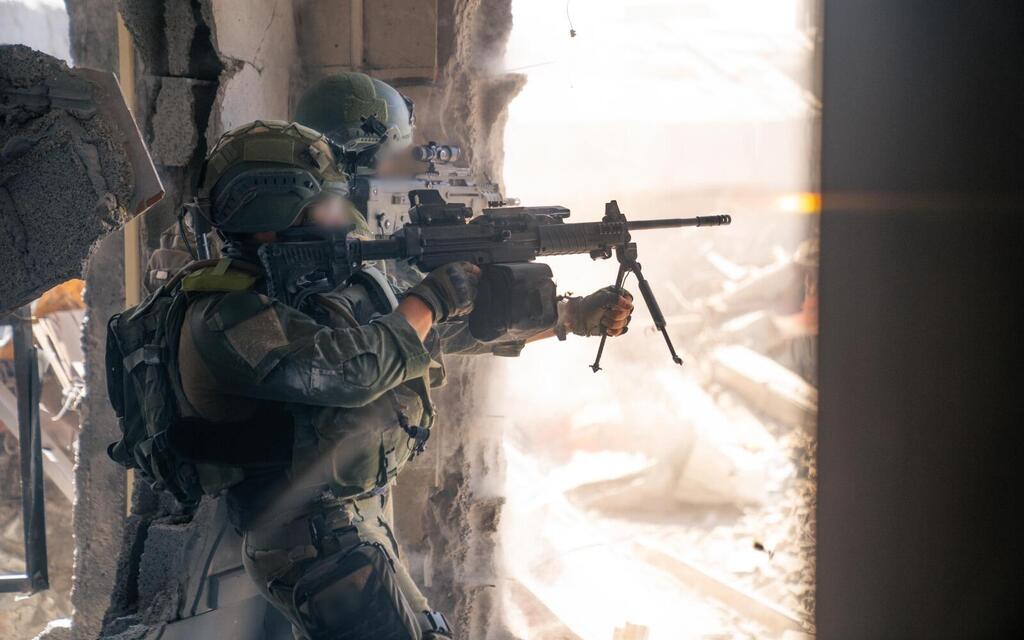
IDF forces in Gaza
(Photo: IDF Spokesperson's Unit)
Netanyahu has justified avoiding a final resolution by claiming Hamas would never meet conditions like disarming or releasing hostages. Yet good-faith negotiations would have revealed the truth. The real obstacle appears to be political survival, as Netanyahu seeks to preserve his coalition and hold onto hope for a “total victory,” while reportedly exploring secret options like “voluntary transfer” through Mossad.
Now, official briefings indicate a shift toward pursuing a full deal and ending the war. Israel has exhausted both domestic and international capacity for prolonged military campaigns.
Hamas no longer operates as a conventional military force. It remains a guerrilla group capable of inflicting damage but unable to repeat the scale of the October 7 attacks. While the IDF has dealt tactical blows, it has not secured a decisive political victory.
Get the Ynetnews app on your smartphone: Google Play: https://bit.ly/4eJ37pE | Apple App Store: https://bit.ly/3ZL7iNv
The cost of ongoing fighting—to the IDF, Israeli society, hostage safety and Gaza’s devastation—is increasingly questioned, including by Israeli officials abroad. The humanitarian crisis in Gaza carries serious long-term strategic consequences.
 Nadav Eyal
As we observe Tisha B’Av, a day of mourning for historic destruction, Israel faces a stark reality: hostages suffering in Hamas captivity, a government dominated by extremists reminiscent of the final days of the Second Temple, and leadership steering the country toward international isolation.
This is no time for false hope. The current path is unsustainable and urgent change is needed.