


Members of Kibbutz Be’eri have voted to demolish nearly all homes in two neighborhoods devastated in the October 7 massacre, approving a plan that will leave only one structure standing temporarily as a preserved site. The decision followed months of emotional debate within the community.
According to the kibbutz, 196 members supported the plan and 146 opposed it. The vote affects homes in the Kerem and Zayit neighborhoods, which suffered some of the heaviest destruction when Hamas terrorists stormed the community. One building, divided into two apartments, will remain for two years before being transferred to a state preservation site.
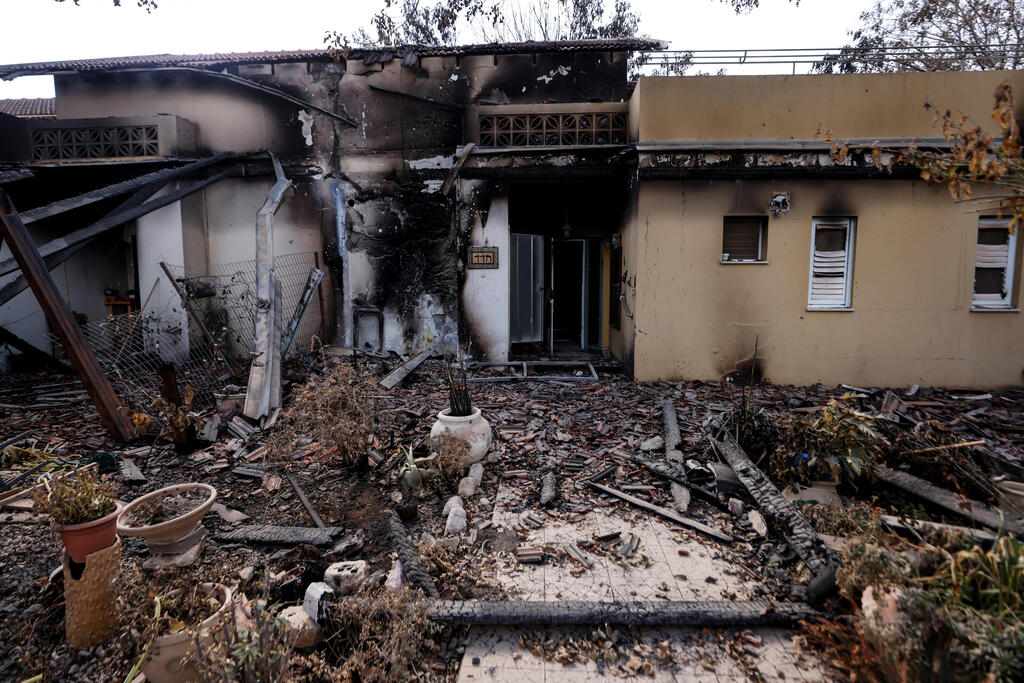
(Photo: REUTERS/Amir Cohen )
The issue has deeply divided families. Some residents argued against demolishing the homes where their loved ones were murdered. Others said rebuilding required removing the structures entirely. “We don’t want to live in Auschwitz. We need to heal and continue,” several supporters of demolition told ynet.
Kibbutz leaders said the decision was reached only after extensive internal discussions. “This dilemma followed Be’eri throughout the process and carried emotional, ethical and planning significance,” the kibbutz said in a statement. “After many months of consultations and deep community dialogue, a majority approved the removal of all buildings destroyed in the traumatic event, except one that will be preserved as a physical testimony to the massacre.”
Debates over how to commemorate the attack have surfaced in communities across the Gaza border region, where residents grapple with whether to preserve damaged homes as memorials or clear them entirely as part of rebuilding efforts. Many describe the pain of balancing remembrance with the need to reclaim a sense of normal life. “People want to honor the victims but also avoid feeling as though they are living inside a monument,” residents said.
Ofer Gitai, director of the Be’eri community, said the vote forms part of a broader memorial plan. “Between the desire to move forward and the obligation to leave testimony for future generations, we chose a path that allows both,” he said. The preserved building will become a “house of testimony” shaped by Be’eri’s own narrative, he added. “We are a community that chooses life. We rebuild, we remember and we continue.
Alongside the memorial process, reconstruction is underway. New neighborhoods are being built on the eastern side of the kibbutz to house members now living in temporary accommodations at Kibbutz Hatzerim.