


In Kibbutz Kfar Aza, the sounds of tractors and construction crews now mix with quieter signs of life, as residents begin to imagine a future after catastrophe.
On Oct. 7, Hamas-led attackers killed 64 of the kibbutz’s roughly 950 residents. The community was scattered across the country in the aftermath. About 70% are now living in the southern community of Ruhama, around 20% in Shfayim, and the remaining residents are spread across other locations.
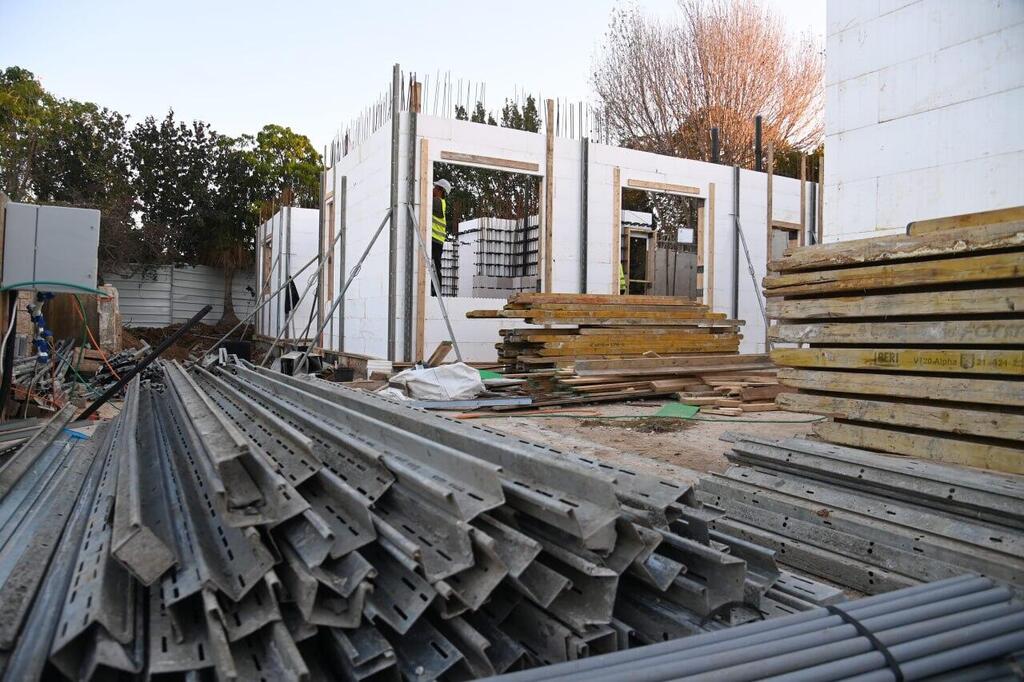
Inside Kfar Aza, rebuilding is underway. Fences have gone up, structures are beginning to rise and heavy machinery fills the site. Between construction zones, small moments of normalcy have returned. Ran Shnurman, one of the first residents to move back, has resumed living in his home and recently prepared a barbecue for security forces stationed nearby.
Nearly a year after the war began, Israel has approved a formal rehabilitation plan for the kibbutz. In recent days, construction started on a new “Young Generation” neighborhood, a central element of that plan.
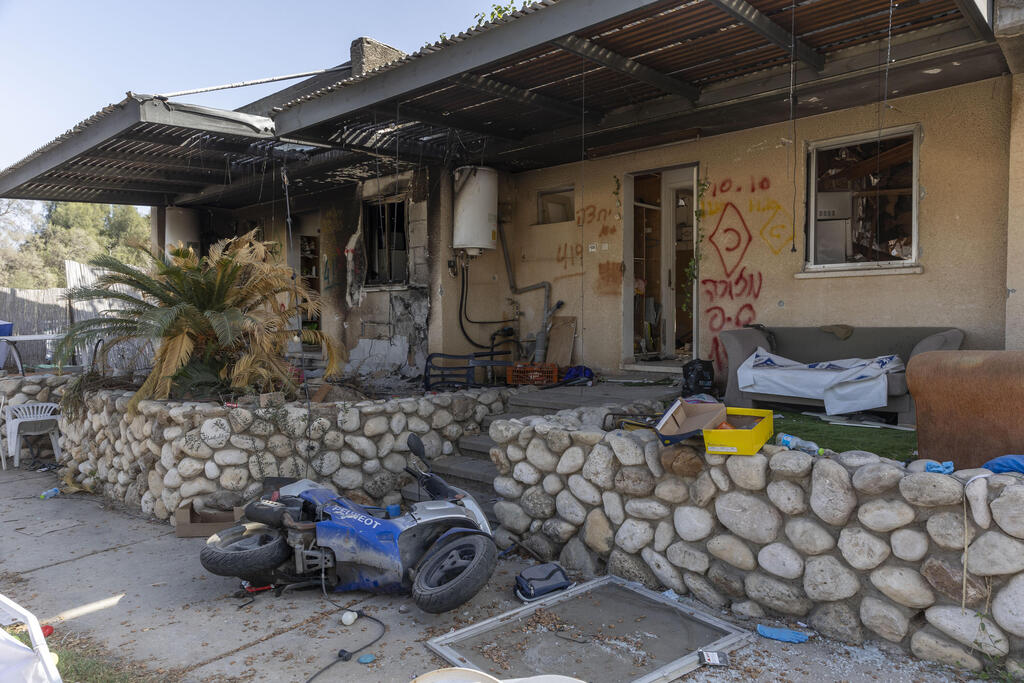
Unlike the previous young families’ neighborhood — which stood near the Gaza border fence, overlooked Gaza City’s Shajaiyeh neighborhood and was completely destroyed in the Hamas assault, leaving 11 residents dead and seven abducted — the new neighborhood will be built deeper inside the kibbutz. The message, community leaders say, is intentional: young people remain the heart of Kfar Aza.
The neighborhood will include 48 housing units, with the goal of completing construction by the end of the year, roughly when residents are expected to begin returning.
One unresolved question is what to do with the ruins of the destroyed neighborhood. As in other hard-hit communities near Gaza, Kfar Aza is weighing how to preserve memory without turning the site into a permanent memorial. A dedicated team has worked on the issue for more than a year, but no final decision has been made. The prevailing approach is to preserve a symbolic section, similar to what was done in Kibbutz Be’eri, and demolish the rest. A decision is expected in an upcoming community vote.
At the heart of the rehabilitation effort is a more difficult challenge: convincing people to come back.
Community manager Zion Regev describes the process in three parts: reconnecting residents with one another, helping them “fall in love again” with the kibbutz, and addressing security concerns openly.
For the first stage, trained kibbutz members meet with each family individually to understand whether they plan to return, what is holding them back and what they need in order to feel safe.
“So far, the data show a significant number of people want to come back,” Regev said. “We are not judgmental and we don’t pressure anyone. By the summer of 2026, Kfar Aza will be an amazing place. Whoever wants to return — it will be here for them. And whoever says they can’t, we will embrace and support.”
The second stage focuses on creating new, positive memories. The kibbutz plans to host events such as tree plantings on Tu Bishvat, social gatherings and informal educational activities. Renovation of the community swimming pool — long seen as a symbol of normal life — is also underway.
The third pillar is what Regev calls “security transparency.”
(Photo: Alice Dessa)
“We have to talk about the elephant in the room,” he said. “We want community members to meet with security experts and military officials to understand what is happening beyond the fence. Ultimately, we want the IDF chief of staff to speak directly with residents before they return.”
He stressed that no one is promising absolute safety. “I can’t tell people it will be 100% safe,” he said. “But we can talk honestly about the risks.”
Alongside the new neighborhood, extensive work is underway to renovate and reinforce the dining hall, cultural buildings and other public facilities. Some private homes were completely destroyed and will take significantly longer to rebuild.
Funding remains a challenge. Alon Poterman, CEO of the foundation overseeing the kibbutz’s rehabilitation, said government funding covers only part of the cost, leaving a shortfall of about 30 million shekels ($8 million).
“We don’t know when we’ll finish raising the funds needed to complete all our plans,” he said. “There is a historic opportunity for people to take part in rebuilding Kfar Aza.”
Regev said the return of young residents will be the ultimate measure of success. “Seeing the young people come back — that’s our victory,” he said, crediting philanthropy, the Tekuma administration and private donors for helping keep the process moving.
In Kfar Aza, residents understand that physical reconstruction is only the foundation. Amid the noise of machinery and half-built homes, the larger goal is not just to rebuild the kibbutz — but to live there again.