

Police seized an Apple Watch from the home of former military advocate general Maj. Gen. (res.) Yifat Tomer-Yerushalmi as part of an ongoing investigation into her alleged role in leaking classified military footage, officials disclosed Wednesday during a court hearing on her detention.
She reportedly provided authorities with the device’s access code, a development that could allow investigators to retrieve critical data in the ongoing probe into her alleged role in the leak.
Gallery
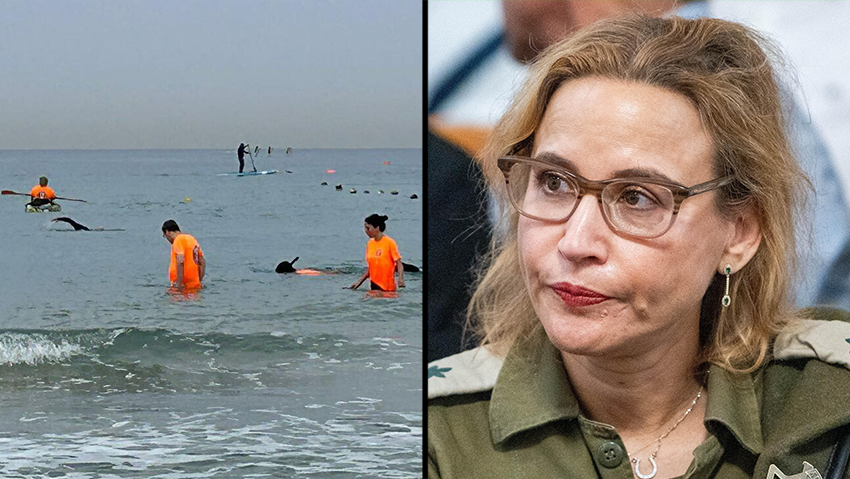
Volunteers searching for former military advocate general Maj. Gen. (res.) Yifat Tomer-Yerushalmi's missing phone
(Photo: Shalev Shalom)
Tomer-Yerushalmi is suspected of authorizing the release of sensitive video footage from the IDF’s Sde Teiman detention center, which allegedly depicted Israeli soldiers assaulting a Palestinian detainee. She was reported missing last week after her car was found abandoned near the beach with a note raising concerns for her safety. She was later located unharmed, but her smartphone remains missing, raising concerns that her disappearance was part of a ruse to dispose of potential evidence stored on it.
The seizure of the smartwatch potentially allows investigators access to a wide array of synchronized personal data — including location history, health metrics, call logs, messages, emails and even files — much like a smartphone. With the correct access code and depending on the device's connectivity, investigators may be able to extract synchronized messages, voice memos and WhatsApp data, particularly if the user maintained regular backups.
If the Apple Watch was synced with an iPhone or operated via a cellular connection (LTE), authorities may be able to retrieve recent communications and other data independently of the missing phone.
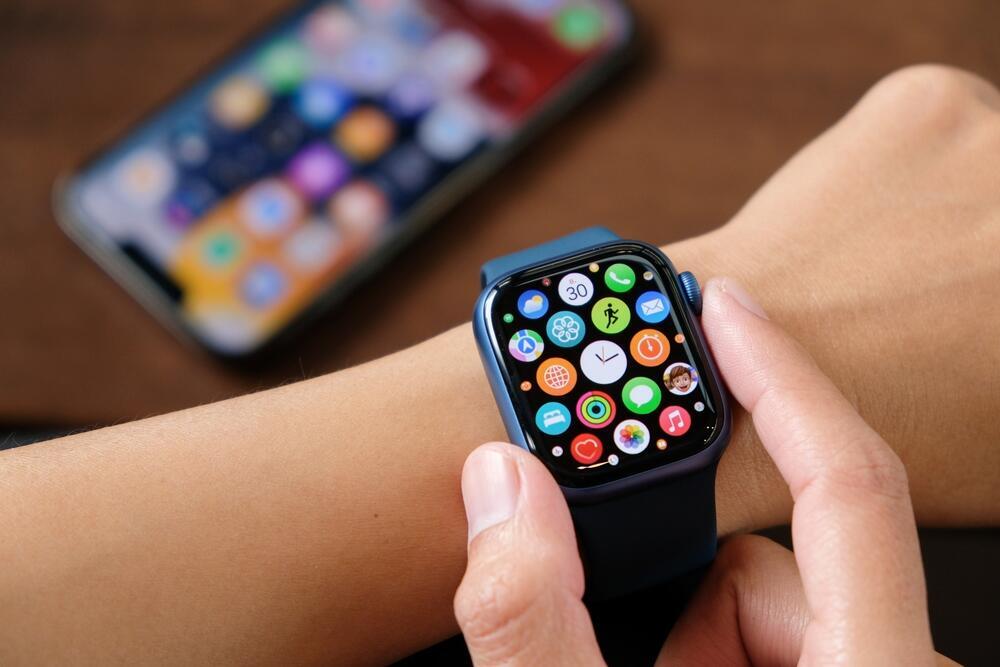
Apple Watch
(Photo: Shutterstock)
In more advanced cases, digital forensics firms such as Cellebrite — which often work with Israeli law enforcement — employ techniques like logical extraction, hardware-based memory access or cloud-based retrieval from iCloud. However, Apple’s robust security and encryption mean that full data recovery often requires both court authorization and technical expertise.
Tomer-Yerushalmi’s detention was extended by three days until Friday, with the court citing a credible risk of evidence tampering and sufficient suspicion of criminal conduct. Former chief military prosecutor Col. Matan Solomesh, also implicated in the case, is to be released to house arrest by late Wednesday, pending further proceedings.