

Following the resounding failure of the Humane AI Pin and the harsh reviews received by the Rabbit r1, new reports in the United States reveal that Apple is secretly developing a tiny, screenless artificial intelligence device. The question now is whether the Cupertino giant can succeed where earlier startups have stumbled — and what competitors like OpenAI have planned. Is the era of the smartphone coming to an end, or at least about to be fundamentally transformed?
A possible game‑changer?
While the tech industry is still licking its wounds from a series of high‑profile wearables and AI hardware flops over the past year, Apple appears ready to make a bold entry. According to a comprehensive report from tech site The Information published Thursday night, the company is actively developing an AI‑powered “smart pin” that could hit the market as early as next year.
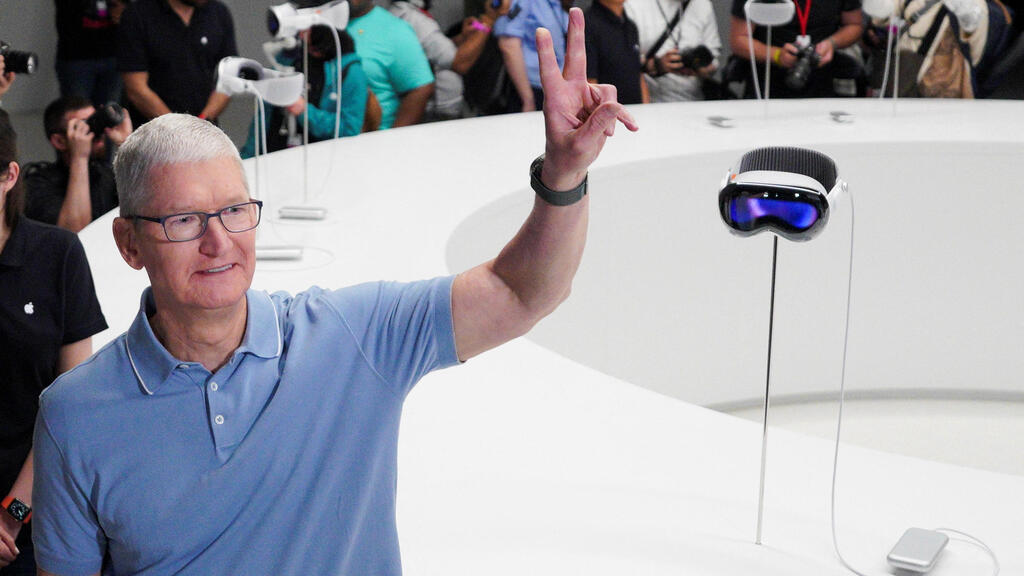
Apple’s move comes at a critical moment, as rival OpenAI, led by Sam Altman, is reportedly working on its own hardware device in collaboration with legendary designer Jony Ive (formerly Apple’s chief designer). The escalating competition positions 2026 as a pivotal year for a new wave of wearable computing: devices that see, hear and understand the world — all while demanding little to no touch interaction.
According to sources, the Apple device under development is similar in size to an AirTag, the company’s popular tracking tag, albeit somewhat thicker. The design is expected to be minimalist, as is typical for Apple, featuring a round disc of aluminum and glass.
Unlike the Apple Watch, the pin will not include a screen. Instead, it is said to feature an advanced sensor array that includes two cameras (a wide‑angle and a standard lens) for environmental capture and analysis, three microphones for voice command recognition and ambient sound recording, and a single physical button. The device is also expected to support magnetic wireless charging, similar to Apple’s watches.
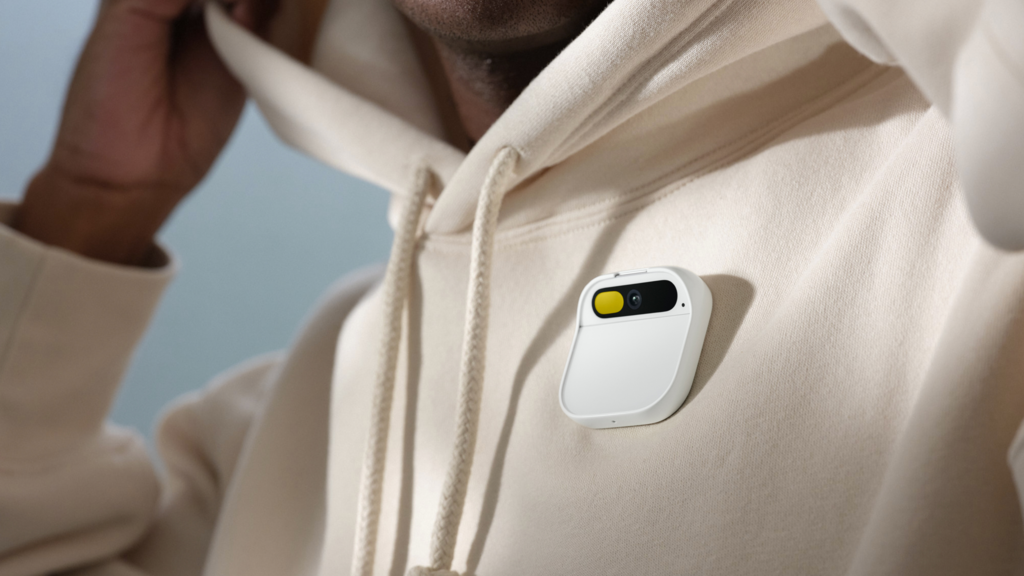
The Humane AI Pin, which failed to take off
(Photo: Humane)
The central idea is to create a constant “personal assistant”: cameras and microphones will continuously sense a user’s surroundings while an on‑device AI processes that information to provide real‑time insights, simultaneous translation, or instant information retrieval — all using voice commands and hand gestures, without pulling an iPhone from a pocket.
The device will likely rely on a new version of Siri, which — as previously reported — is expected to undergo a major upgrade with integration of advanced language models such as Google’s Gemini (after Apple’s own AI initiatives reportedly lagged behind).
Analysts raise eyebrows — and for good reason
Apple’s entry into this space has drawn skeptical reactions from analysts, given the spectacular failures of similar products over the past year. The Humane AI Pin, launched with great fanfare and a $699 price tag by a company founded by former Apple employees, became one of Silicon Valley’s biggest flops. The device suffered from overheating, slow responses, and a clunky interface, resulting in negligible sales — fewer than 10,000 units sold. The Rabbit R1, pitched as a cheaper alternative, also received scathing reviews for its immature technology.
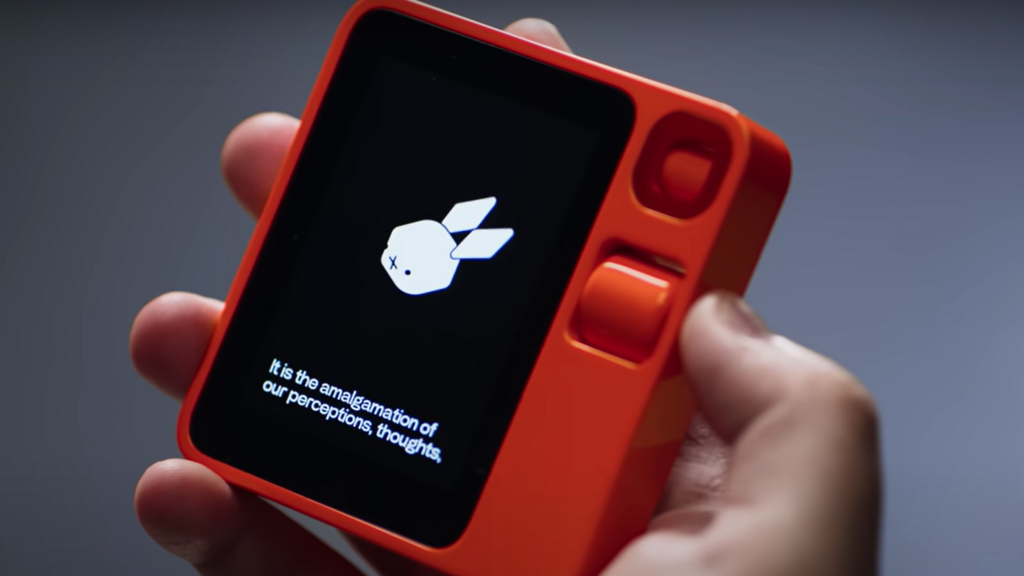
The Rabbit R1 was also a failure
(Screenshot: YouTube)
Apple — known for preferring not to be first but to be the best — appears to be trying to address the very issues that sank earlier attempts: battery life, seamless integration with its existing ecosystem (iPhone and Mac) and, crucially, pricing. Estimates suggest Apple may price the device in a more accessible range, possibly around $250, similar to entry‑level Apple Watches, or even offer it as part of an iPhone bundle.
OpenAI Is in the race too
Apple is not alone in the hardware race. Chris Lehane, a senior figure at OpenAI, confirmed on stage at the World Economic Forum in Davos this week that the AI giant is on track to launch its first device in the second half of 2026. Designed with input from Jony Ive, and described by Sam Altman as a “Peaceful” device, it is said to be unlike a smartphone — rumors suggest a screenless form factor, perhaps a smart earpiece or pendant, aimed at reducing screen addiction.
China eyes smart glasses
On the global front, the competitive picture is even more complex. While Western companies focus on pins and pendants, major Chinese tech players like Baidu and Xiaomi, as well as American Meta, are betting on smart glasses. At Davos, Qualcomm CEO Cristiano Amon predicted that smart glasses will lead in unit shipments, with around 100 million units expected in the coming years. In China, industry insiders are already talking about a “War of the Hundred Glasses,” with products offering live translation and first‑person imaging — features that could present a more practical alternative to wearable pins.
Apple’s decision to enter a market littered with failures may seem puzzling, but it makes strategic sense. Apple understands that generative AI is reshaping how we interact with computers. If the future belongs to voice commands and intelligent agents that understand context, the smartphone screen becomes less central in many scenarios.
Apple cannot afford to let OpenAI or Google dominate the next wave of hardware that could partially replace the iPhone. The big question remains: Are consumers ready to give up the screen? Or will Apple’s smart pin join the long list of gadgets that end up forgotten in a drawer?