

Indonesia’s authorities, particularly in Bali, are stepping up enforcement of immigration laws, and so-called “social media influencers” are now receiving a clear warning: what you are doing may be illegal. Commercial collaborations, free stays and unpaid shooting days are now defined as “illegal work under a tourist visa.” In other words, Indonesia is ruling that creating content intended to promote local hotels and attractions counts as paid employment.
The authorities are also warning that even receiving a free hotel room in exchange for coverage is considered compensation and therefore violates visa conditions. Moreover, the risk is no longer limited to content creators alone: hotels, villas, restaurants and local tourism companies that invite influencers on tourist visas are now also exposing themselves to serious sanctions and legal trouble.
Gallery

Indonesia’s authorities are stepping up enforcement of immigration laws
(Photo: oneinchpunch / shutterstock)
The main target of the enforcement campaign is tourists who have overstayed their visas, but authorities are also placing stricter emphasis on any activity that goes beyond the scope of a visa. Bali’s new task force, the “Dharma Dewata Immigration Patrol Task Force,” has detained dozens of foreign nationals within just a few weeks.
Enforcement officers are focusing on well-known hubs of the digital nomad community: Canggu, Ubud, Seminyak, Kerobokan and Uluwatu. However, the crackdown is not limited to Bali and is now expanding to other major tourist destinations across Indonesia, including the capital Jakarta, Lombok and Labuan Bajo.
According to Felucia Sengky Ratna, spokesperson for Bali’s regional immigration office, authorities are monitoring social media accounts to identify potential violators even before they encounter officers on the ground. Posted a sponsored reel from a beachfront villa? Tagged a rooftop bar in Seminyak? That content could now be used as evidence against you. Authorities are also not relying only on public monitoring, and may use private materials such as messages, campaign summaries, invoices and contracts with hotels as proof that the trip was commercial in nature.
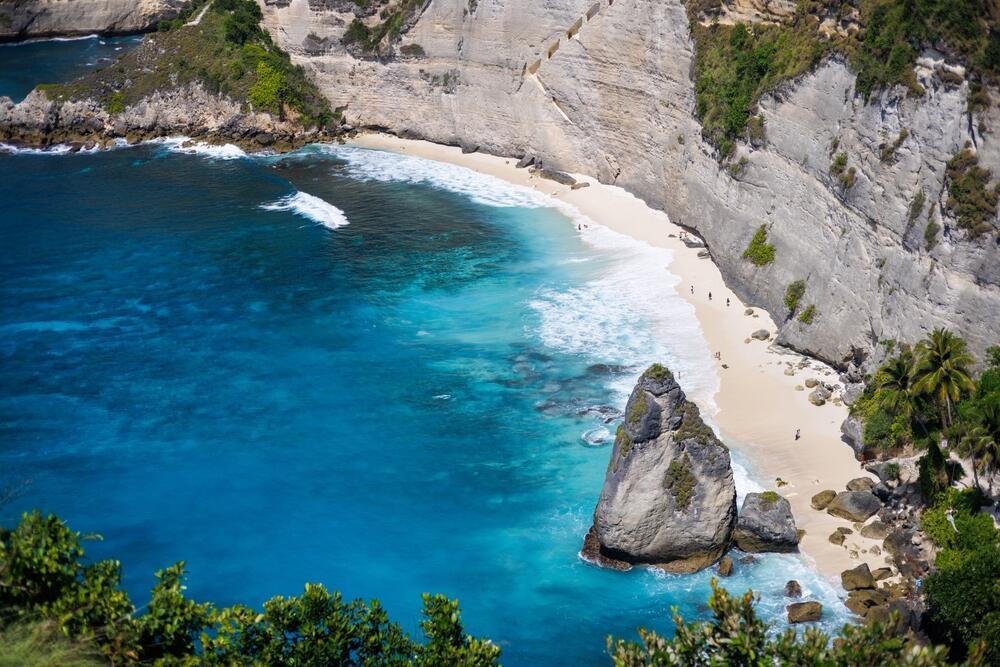
Posted a sponsored reel from a beachfront villa? Tagged a rooftop bar in Seminyak? That content could now be used as evidence against you
(Photo: Daniel199S / shutterstock)
The special enforcement unit is not limiting itself to clearly commercial activity. DJ sets at parties, yoga classes, workshops and even volunteering may all trigger enforcement if they are deemed to generate economic value. Authorities also stress a key point: it does not matter when or where payment is received. Even if money is transferred later, through a foreign platform, or comes from an audience in another country, the fact that the content creation and filming took place physically in Indonesia is enough for it to be classified as work.
Indonesia’s visa-on-arrival allows a 30-day stay for tourism or basic business purposes but does not permit employment or speaking at events. A 60-day tourist visa prohibits any profit-making activity. Until recently, the remote work visa offered little practical solution for most creators, as it requires an annual income of 60,000 dollars and an official employment contract with a foreign company. However, authorities have recently introduced a dedicated framework: the “Content Creator Visit Visa”. It is designed to allow influencers to operate legally, but requires prior approval through official channels. Those who do not obtain it risk penalties.
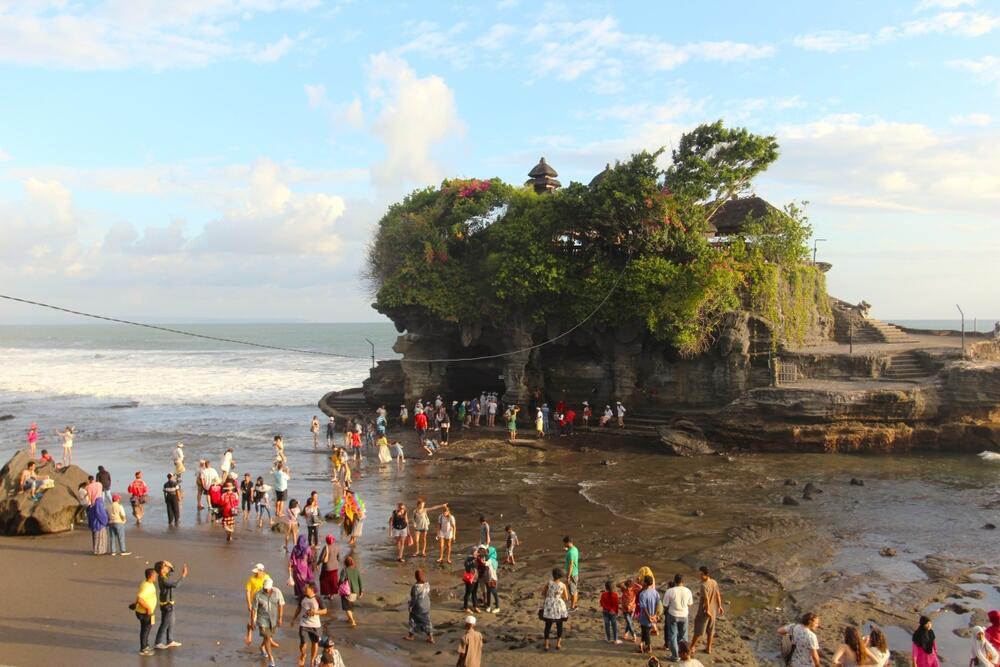
Indonesia’s visa-on-arrival allows a 30-day stay for tourism or basic business purposes but does not permit employment or speaking at events
(Photo: shutterstock)
American journalist and content creator Gary Leff, an aviation and travel expert who runs a popular blog, summed up the situation in personal terms: “I like Bali. Much of it, if you get outside the resorts of Nusa Dua, is incredibly affordable. The food is good, people are friendly and much of it is beautiful. I don’t mind the drunk Australians. They’re in Phuket, too. But even though enforcement may be a long shot in any given case, and penalties usually a fine, maybe deportation, or even a potential future ban on re-entry which are all potentially manageable I don’t like the idea of violating immigration status in Indonesia so I’ll probably make my stays there brief and pre-write content for while I’m visiting.”
Indonesia for Israelis? Possible, but complicated
Just a few months ago, it appeared that Indonesia and Israel were cautiously approaching a historic moment. In October 2025, reports emerged about a possible first-ever visit by an Indonesian president to Israel — a move that could have opened the door to normalization between the two countries. However, the visit did not take place, partly due to the deep political sensitivity in Indonesia surrounding any public ties with Israel. Still, the reports signaled a shift in tone from President Prabowo Subianto, who at the time spoke not only about support for a Palestinian state, but also about the need to ensure Israel’s security. For now, official relations between the countries remain frozen, and the path to normalization, if it comes, still runs through the Palestinian issue.

As of now, Israelis cannot travel to Bali spontaneously like most tourists
(Photo: GaudiLab / shutterstock)
As of now, Israelis cannot travel to Bali spontaneously like most tourists, but a visit is possible. Due to the absence of diplomatic relations between Israel and Indonesia, Israeli passport holders are required to obtain a special visa in advance through a process known as a “Calling Visa,” which involves checks and approval by Indonesian immigration authorities and is usually handled through an authorized local agent. The process typically takes around two to three weeks, and sometimes longer. Flights are routed through transit hubs such as Dubai or Bangkok, and entry is only permitted after visa approval and border clearance upon arrival. In contrast, holders of eligible foreign passports can usually enter Indonesia through a simpler and cheaper process, such as an e-visa or visa on arrival.
Beyond the visa issue, there is also a security dimension: according to Israel’s National Security Council, Indonesia is currently classified as a high-threat country, and Israelis are advised to avoid traveling there. In certain regions, including West Papua, the Sulawesi Islands, Sumatra, the Aceh province and parts of Maluku, the warning is especially strict. In the rest of the country, including Bali, a medium-level travel warning is in place, and non-essential travel is discouraged.