


The High Court of Justice is currently reviewing an unprecedented number of challenges to recently passed laws, intensifying the ongoing power struggle between the judiciary and the other branches of government.
In a recent ruling, Justice Noam Sohlberg warned against a situation in which the court becomes a de facto appellate body for the Knesset. That scenario may now be unfolding.
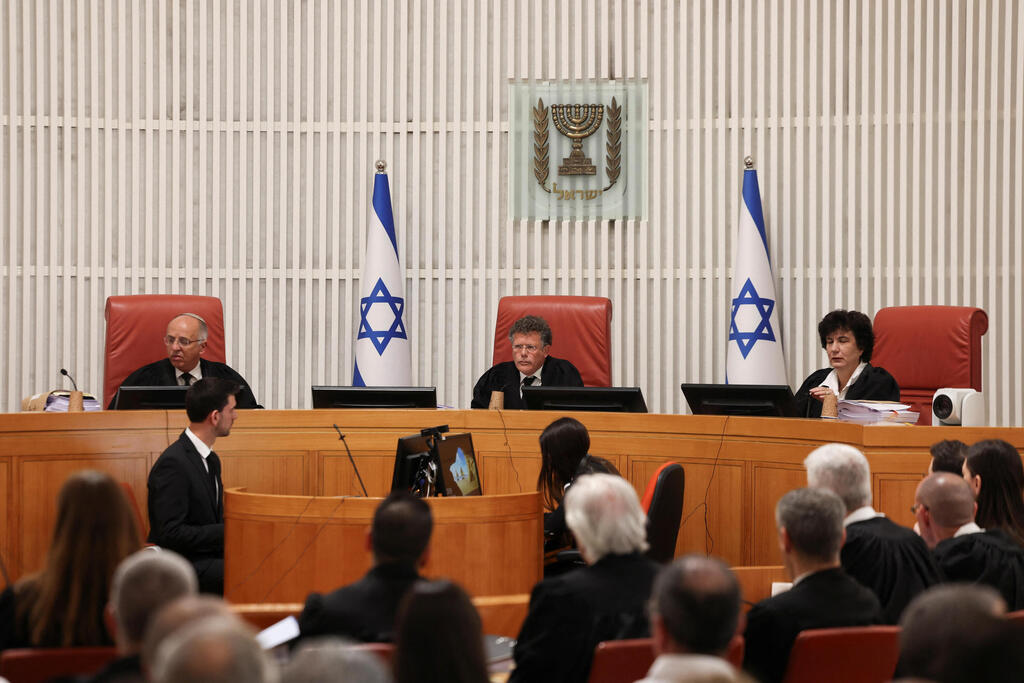
No fewer than eight significant laws, including amendments to the quasi-constitutional Basic Laws, are under judicial review, alongside key government decisions such as the controversial closure of Army Radio.
More high-profile legislation is expected to follow, including the ultra-Orthodox draft exemption bill and a measure to split the role of the attorney general. These developments come amid a growing battle between the legislative, executive and judicial branches.
It is unclear whether the court has ever simultaneously deliberated on the repeal of so many laws passed by the Knesset. Among those currently facing petitions are a law banning UNRWA activity in Israel, a budget law for the Israel Bar Association, an amendment to the makeup of the Judicial Selection Committee, a law denying benefits to parents of underage terrorists, legislation barring citizenship for relatives of terrorists and a law expanding rabbinical court authority in divorce-related child support cases, even without consent from both parties.
In most cases, the court has not issued injunctions on the implementation of the laws. However, such an order was granted in the case of the Bar Association budget law, following a conditional injunction.
Three more laws are expected to soon reach the court. The first is the long-debated bill exempting ultra-Orthodox men from mandatory military service, already facing opposition from the attorney general and nearing final passage. Like its predecessors, this law is expected to be challenged in court.
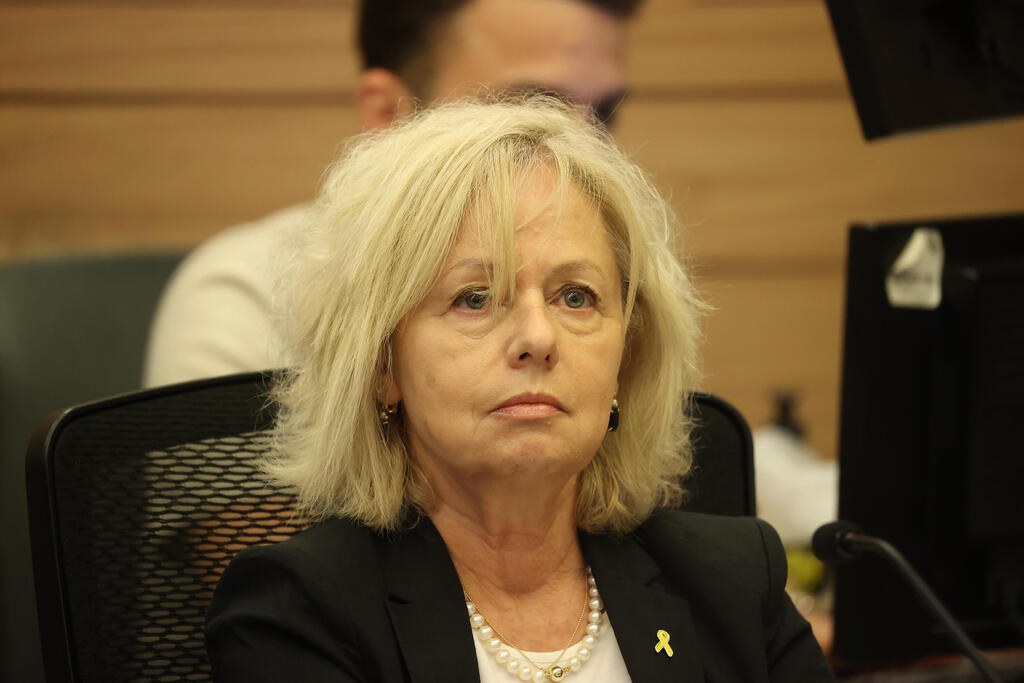
Attorney General Gali Baharav-Miara
(Photo: Amit Shabi)
Another controversial measure, part of the coalition’s broader judicial reform push, seeks to formally split the powers of the attorney general. Then-justice minister Gideon Sa’ar had informed Attorney General Gali Baharav-Miara upon her appointment that the role would be divided, though details were not made public at the time. Baharav-Miara now opposes the plan in its current form.
A third law expected to reach the High Court is the Second Authority reform, advanced by Communications Minister Shlomo Karhi and opposed by the attorney general.
In addition to pending legislation, the court has recently ruled on major government appointments. In a landmark decision, the court upheld the justice minister’s legal authority to appoint a monitor for a high-profile probe into the Military Advocate General’s Office, provided safeguards against political interference. However, it disqualified both of the minister’s nominees.
One candidate, State Ombudsman for Judges Asher Kula, was rejected due to a law barring him from holding any other position. The second, retired judge Josefh Ben-Hamo, was deemed unqualified under the court's criteria, chiefly that the monitor be a senior state employee.
Another highly sensitive petition demands the dismissal of National Security Minister Itamar Ben-Gvir. The claim alleges improper political interference in police operations, in violation of a prior High Court ruling. The attorney general has agreed with the petitioners but has so far stopped short of formally requesting Ben-Gvir’s removal. Instead, she sent a letter to Prime Minister Benjamin Netanyahu urging him to address the issue.
Legal precedent allows the court to compel a prime minister to dismiss a minister convicted of a criminal offense. However, there is no precedent for a court-ordered dismissal based on alleged “administrative offenses” that do not amount to criminal breach of trust, a threshold Ben-Gvir’s actions have not yet crossed, according to the attorney general.