

The Trump administration did not oppose Britain’s sweeping new economic measures targeting Israeli settlements in the West Bank, Axios reported early Wednesday, citing U.S. officials, despite a warning from the U.S. ambassador to Israel that London could face American retaliation.
According to the report, British Prime Minister Andy Burnham spoke with U.S. President Donald Trump before announcing the measures Tuesday and briefed him on the plan. Two sources familiar with the conversation said Trump did not object or attempt to persuade Burnham to change course.
Gallery
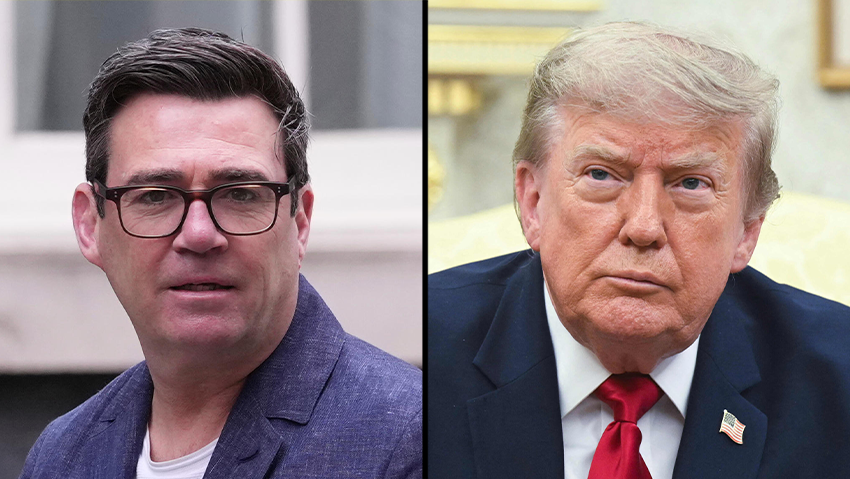
British Prime Minister Andy Burnham, US President Donald Trump
(Photo: SAUL LOEB / AFP, AP Photo/Alastair Grant)
U.S. officials also told their British counterparts that Washington shares some of London’s concerns about the policies of Prime Minister Benjamin Netanyahu’s government in the West Bank, even though the United States does not support the specific sanctions Britain announced, according to Axios.
The apparent lack of opposition from Washington is significant as Israel faces mounting international pressure over settlement expansion in the West Bank, territory Palestinians seek as the heartland of a future independent state.
Britain was joined Tuesday by 11 countries — Canada, Denmark, Finland, France, Iceland, Ireland, Norway, Poland, Portugal, Spain and Sweden — in issuing a joint statement warning that Israeli policies in the West Bank were undermining prospects for a two-state solution.
“The Government of Israel’s actions in the West Bank are undermining the possibility of a two-state solution,” the countries said, calling on Israel to immediately halt settlement expansion and changes to civilian administrative powers and ensure accountability for settler violence.
The countries also announced their intention to impose restrictions on trade with settlements they consider illegal under international law. Most of the international community considers Israeli settlements in the West Bank illegal under international law, a position Israel disputes.
Britain’s measures went further, including sanctions against five Israelis it described as “extremist settlers,” measures targeting organizations involved in settlement construction and a ban on imports of goods from Israeli settlements.
Israel responded sharply. Foreign Minister Gideon Sa’ar ordered the closure of the British Consulate in East Jerusalem, the removal of British representatives from the Gaza coordination headquarters in the southern city of Kiryat Gat and an end to British involvement in training Palestinian Authority security forces in Ramallah.
Israel also barred 12 Britons from entering the country, accusing them of involvement in antisemitic and anti-Israel activities and of denying Israel’s right to exist.
White House distances itself from Huckabee warning
The White House also distanced itself from remarks by U.S. Ambassador to Israel Mike Huckabee, who had warned Britain that its actions could provoke an American response, according to Axios.
Huckabee told the BBC that if Britain imposed sanctions on Israeli settlements, it could face a U.S. response that would affect its ability to do business.
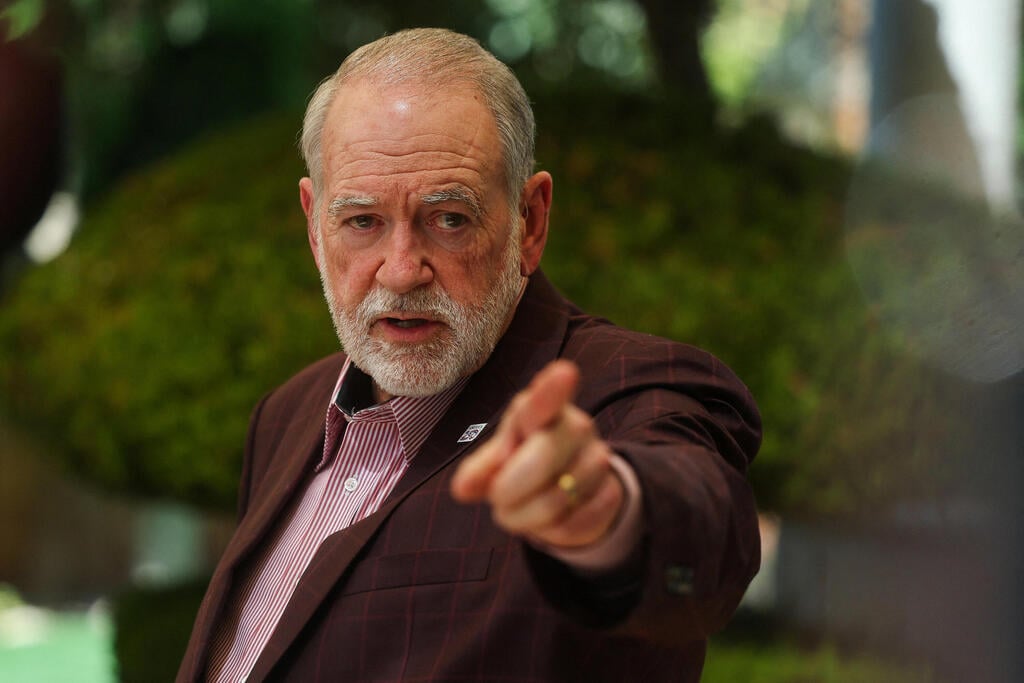
US Ambassador to Israel Mike Huckabee
(Photo: REUTERS/Ammar Awad)
Huckabee said such action could come at the federal or political level and suggested it could have “a huge economic impact on British businesses.”
But a White House official told Axios that Huckabee’s comments had not been coordinated with either the White House or the State Department.
Secretary of State Marco Rubio also declined Tuesday to condemn Britain’s decision.
“The president hasn't commented on this and neither have I. We were made aware that they are going to make this decision. We heard their arguments as to why,” Rubio said. "We share the goal of stability. We don't want to see an uptick in violence or tensions in the West Bank in a tenuous time in the region."
Burnham: ‘For too long, we hesitated to act’
Burnham later defended the measures in an extensive statement, saying successive British governments had been reluctant to take concrete action because of fears they would be characterized as hostile to Israel.
“For too long, we have been hesitant to act, fearful of being accused of being anti-Israel,” Burnham wrote in the Guardian.
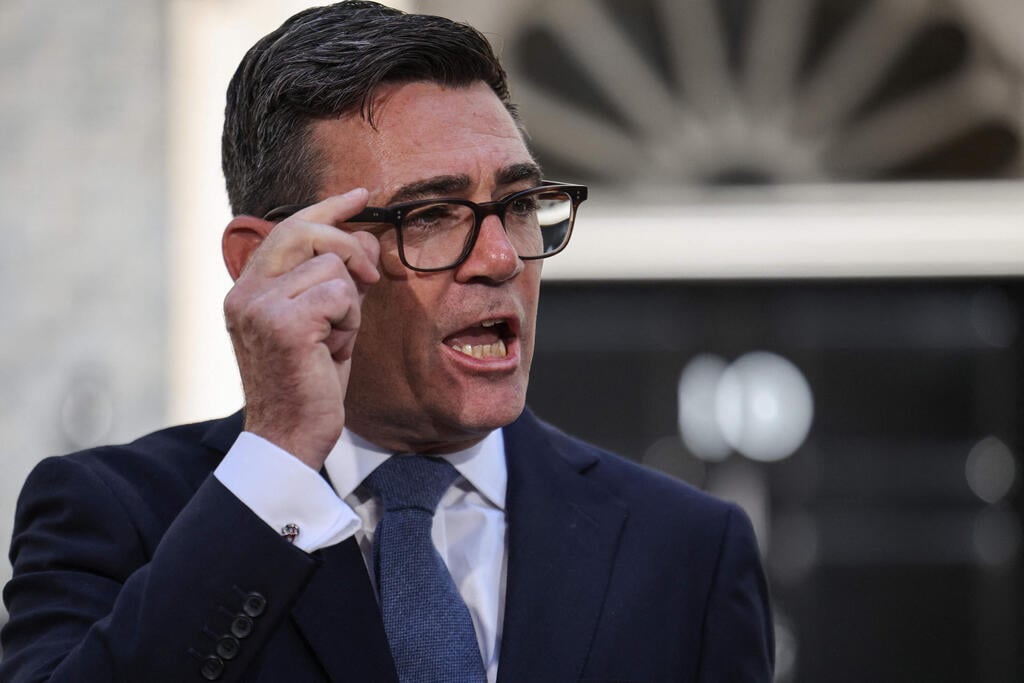
Burnham
(Photo: Henry NICHOLLS / AFP)
Britain had advocated a two-state solution for years, he said, but “those words are meaningless unless we back them up with action.”
Burnham stressed that the measures were not directed at Israelis generally but at what he described as unacceptable policies pursued by Netanyahu’s government.
The British prime minister also addressed the war in Gaza, describing Palestinian suffering there as “a scar on the conscience of the world.” He said civilians, including children, continued to be killed and pointed to the supposed humanitarian crisis in the territory.
Burnham said that even before becoming prime minister, he had argued that Britain’s response had been too slow and inadequate. He said he had pledged upon entering 10 Downing Street to change the government’s approach.
“I will not stand by as the horrific suffering continues to grow and the prospect of a two-state solution — the best hope for peace and stability in the region — comes under attack,” he wrote.
Burnham focused much of his criticism on Israeli construction in the West Bank, claiming that Netanyahu’s government had approved more settlements during its four years in office than had been approved during the previous two decades.
He singled out plans for the E1 area between Jerusalem and the Israeli settlement of Ma’ale Adumim. The project has long drawn international opposition because critics say construction there could sever territorial links between Palestinian population centers in the northern and southern West Bank, making a contiguous Palestinian state more difficult to establish.
“The Israeli government has now approved 104 new settlements since it took office in December 2022, and ahead of the October elections in Israel, it is allowing tenders for the construction of the E1 mega settlement to go ahead,” Burnham wrote. “This would cut a swathe through the heart of the West Bank — snuffing out the hope of realizing a two-state solution. It cannot be allowed to happen.”
Israel argues that Jerusalem and Ma’ale Adumim are strategically linked and has rejected international demands that settlement policy be dictated from abroad.