


Two days after the ceasefire in Lebanon took effect, it is already clear that its terms are less favorable than those agreed following Operation Northern Arrows at the end of 2024. Now, the main concern in the IDF is improvised explosive devices planted before the ceasefire in areas under Israeli control.
One such device in the village of Jabin, about 3.5 kilometers from the border, killed reservist paratrooper Barak Kalfon, 48, from the community of Adi in the Jezreel Valley on Saturday. Three other soldiers were wounded in the incident, two moderately and one lightly. Kalfon was among the first to enter the structure alongside the company commander. During the search, the explosive device planted by Hezbollah detonated. The initial assessment is that it was not remotely triggered.
Gallery
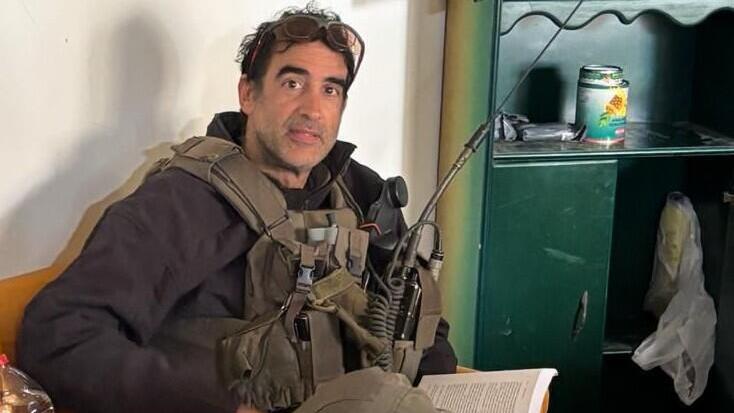
Barak Kalfon was the first to enter and search a home in southern Lebanon, and was killed by an IED planted before the ceasefire
Similar incidents have occurred during ceasefires in the Gaza Strip, and the IDF is placing particular emphasis on the threat. Defense Minister Israel Katz paid tribute to Kalfon, saying: “Barak was a brave and dedicated fighter and a devoted family man. In his civilian work as an engineer at Rafael, he made a significant contribution to Israel’s security, combining the highest level of professional commitment with many years of meaningful reserve service in defense of the state.”
Katz did not threaten retaliation, suggesting the device had been planted before the ceasefire.
A statement by U.S. President Donald Trump on Friday that “Israel will not be bombing Lebanon any longer. They are prohibited from doing so by the USA” raised eyebrows in Israel. A U.S. official later clarified his remarks, saying: “The president’s ceasefire agreement between Lebanon and Israel clearly states that Israel will not carry out offensive military actions against Lebanese targets, but retains the right to self-defense against planned, imminent or ongoing attacks.”
Indeed, the IDF is seeking to establish ceasefire rules that will allow forces to strike any terrorist activity up to the Litani River, effectively making operational freedom across southern Lebanon part of the agreement. Prime Minister Benjamin Netanyahu also said in his eulogy for Kalfon that “our forces will continue to operate in the security zone to thwart threats directed against them and our communities, in accordance with the ceasefire agreement.”
Forces in southern Lebanon continue clearing the areas under their control and consolidating positions through fire control and surveillance. The IDF has divided the security zone into three operational lines. The first is the “red line,” consisting of the villages closest to the border, where most buildings have already been destroyed and cleared, and troops are entrenched in some locations.
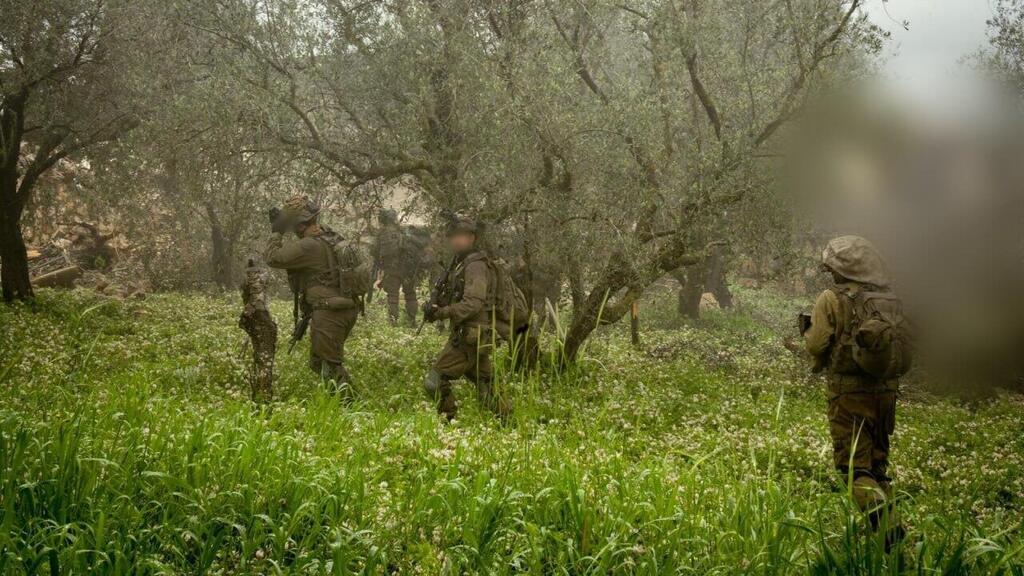
IDF troops operating in southern Lebanon
(Photo: IDF Spokesperson's Unit)
The second is the “yellow line,” the anti-tank line, made up of villages located between 6 kilometers and 10 kilometers from the border. Its primary purpose is to prevent direct fire of anti-tank missiles and other projectiles at northern Israeli communities. Forces in this area continue clearing buildings and establishing positions.
The third line is along the Litani River, where the IDF aims to maintain fire and surveillance control and thwart any threats to its forces.
On Saturday, the IDF said that forces “operating south of the yellow line identified terrorists who violated the ceasefire understandings and approached the troops. In a rapid response, they were eliminated from the air.” The military also said it killed another cell operating near its forces and struck an underground shaft along with Hezbollah operatives who were seen entering it.
These ceasefire terms are less favorable than those agreed after Operation Northern Arrows at the end of 2024, which was also Hezbollah’s objective. At present, the Israeli Air Force appears to have halted strikes in areas closer to the Litani and in the Bekaa Valley, focusing instead on supporting ground forces operating along the yellow line. The ceasefire in southern Lebanon remains fragile, with both sides now seeking to shape its rules to their advantage.