

Could the start of the U.S. midterm elections mark the beginning of the countdown to renewed fighting with Iran? Israel is closely monitoring developments in Washington as President Donald Trump continues to send mixed signals about his intentions. On one hand, he is keeping the possibility of renewed military action on the table. On the other, diplomatic contacts and efforts to determine whether an agreement can be reached with Tehran are continuing.
Trump on an attack against Iran


Behind the scenes, the Israel Defense Forces and the U.S. military are maintaining close coordination, particularly between their respective intelligence and air force branches. The coordination includes joint discussions and preparations for various scenarios, including assessments of the potential consequences of regional escalation. The IDF continues to update its intelligence assessments and security preparations, incorporating lessons learned from previous rounds of fighting.
The Americans are also briefing neighboring Gulf states as part of preparations for a potentially intensive military campaign. Security officials are closely monitoring where a third U.S. aircraft carrier will be deployed and whether it will reach the Arabian Sea, which would signal a buildup of American forces. The U.S. military is making preparations, but they have not yet reached the scale seen in the days leading up to Operation Roaring Lion.
Despite the heightened alert within Israel's defense establishment, daily life on the Israeli home front remains completely normal for now. The IDF Home Front Command has issued no new instructions, and existing public safety guidelines remain unchanged. Defense officials stress that Israelis are already familiar with the nature of a confrontation with Iran and its potential consequences, and that all relevant agencies are preparing to respond if necessary. For now, there is no reason to instruct the public to change its daily routine.
One of the central issues continuing to occupy Israel and the United States is the future of Iran's nuclear program. Iran still possesses approximately 450 kilograms (990 pounds) of enriched uranium, a figure that continues to concern decision-makers in Washington and Jerusalem.
A key question is what the objectives of another military campaign would be if one were launched. A campaign aimed at regime change would be fundamentally different from one focused on eliminating the nuclear threat and degrading Iran's military capabilities.
If Trump decides against attempting to overthrow the Iranian regime, he will have to determine how to achieve a meaningful resolution to the nuclear issue, either through an agreement with the current leadership or through military action to remove the nuclear material from Iran. This is a central question because it would also determine the political and military objectives of any potential operation.
In Israel, officials are keenly aware of the differences between the previous military campaigns. During the 12-day Operation Rising Lion, Israel focused in part on nuclear facilities, with the United States joining toward the end of the operation to strike the Fordow nuclear facility.
By contrast, during the 42-day Operation Roaring Lion, nuclear targets were rarely struck. The main effort focused on striking military and national infrastructure, weapons production facilities, missile systems and Iran's military capabilities. The IDF is drawing lessons from previous campaigns and incorporating them into preparations for any future scenario.
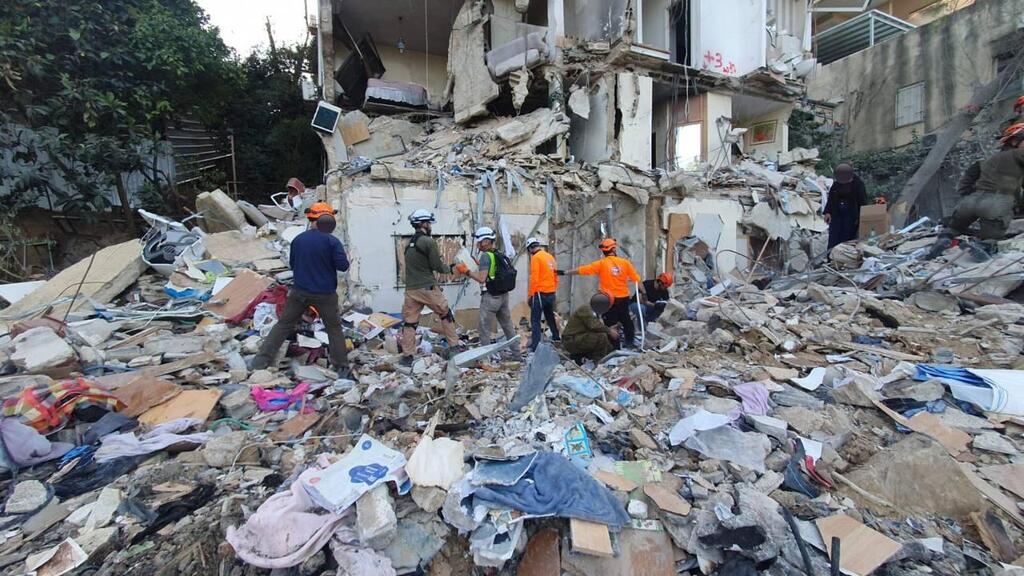
The site of an Iranian missile strike in Haifa
(Photo: Haifa Municipality)
At the same time, Israel's defense establishment does not view a potential confrontation with Iran as an isolated event. Any significant escalation could affect other fronts, including Lebanon, the West Bank and the Gaza Strip, as well as the threat posed by the Houthis.
In the north, for example, the IDF is preparing for continued operations against Hezbollah while maintaining defensive systems to protect troops operating in southern Lebanon. The Northern Command is advancing a defensive strategy intended to improve control of the area, while plans remain in place for further operations against Hezbollah strongholds.
The possibility of a surprise attack is also a consideration. Israeli assessments suggest that Tehran is particularly vigilant and determined not to be caught off guard again. At the same time, the Islamic Republic's economic crisis is worsening, and Israel is also taking into account a scenario in which Iran initiates an offensive.
Netanyahu presses Trump
Meanwhile, as he calls for Israel's election results not to be recognized, Prime Minister Benjamin Netanyahu is pressing Trump to resume military operations against Iran after Tuesday's U.S. midterm elections, according to two regional officials familiar with the matter and a third source who spoke to The Associated Press.
A return to full-scale war with Iran could help Netanyahu form an emergency government after the bloc he leads failed to win a majority in the elections. Meanwhile, Trump continues to alternate between threats of large-scale strikes and efforts to pursue a possible agreement with Iran.
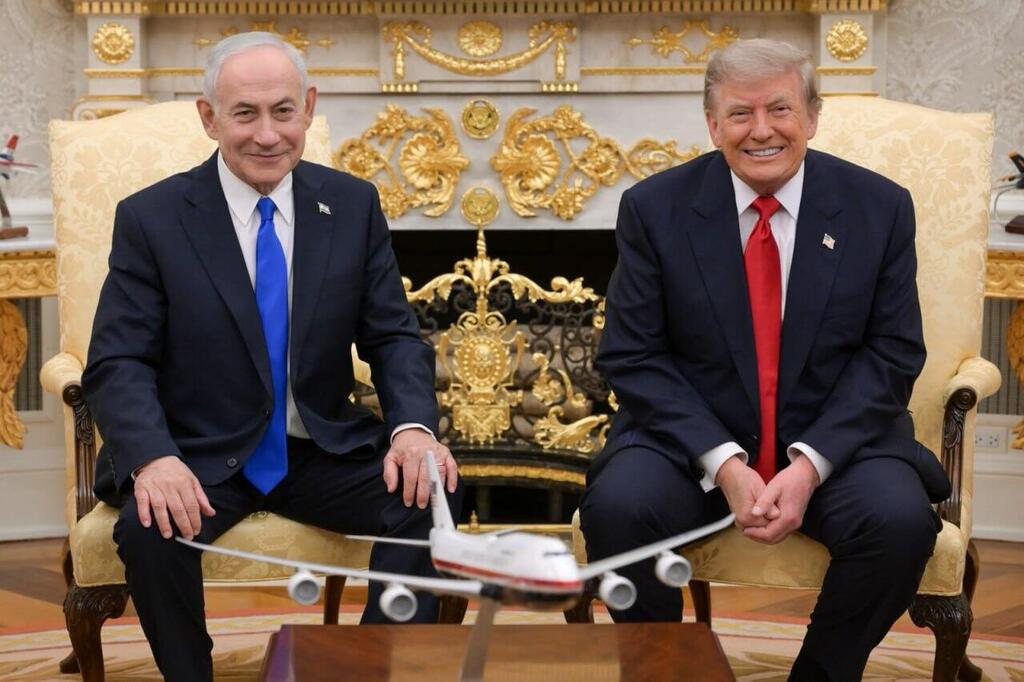
Seeking an emergency government?
(Photo: Maayan Toaf/GPO)
The two officials said diplomatic efforts had made progress, noting that Qatari mediators held two rounds of talks with Iranian officials last week. According to the officials, the mediators are seeking to advance a proposal under which Iran would halt its attacks in the Strait of Hormuz in exchange for the lifting of the U.S. blockade of Iranian ports.
They said additional rounds of talks are planned for this week. AP reported that the two officials spoke on condition of anonymity because they were discussing classified briefings they had received from U.S. officials and, in one case, Israeli officials as well.
One official said Netanyahu has been lobbying senior members of the Trump administration to persuade the president to launch a swift but extensive air campaign. Trump has not yet made a decision on the matter.
According to a person briefed on the conversation, Netanyahu pressed Trump to launch an attack during a phone call between the two leaders over the weekend. Trump, for his part, made no commitment to military action.
Other U.S. allies in the Middle East are warning against further strikes, arguing that they would destabilize the region and could prompt the Houthis to intensify attacks against Saudi Arabia and shipping routes in the Red Sea. Another regional official said Iran-backed militias in Iraq could also join the fighting.
AP noted that neither the Israeli government nor the White House had responded to the report.