


Cabinet tensions flared ahead of a Sunday evening meeting called by Prime Minister Benjamin Netanyahu, where a new ceasefire proposal for Hamas is expected to be presented. The offer centers on two major points of contention: the areas in Gaza where the military would remain if a deal is reached, and how humanitarian aid will be delivered during the ceasefire.
Gallery
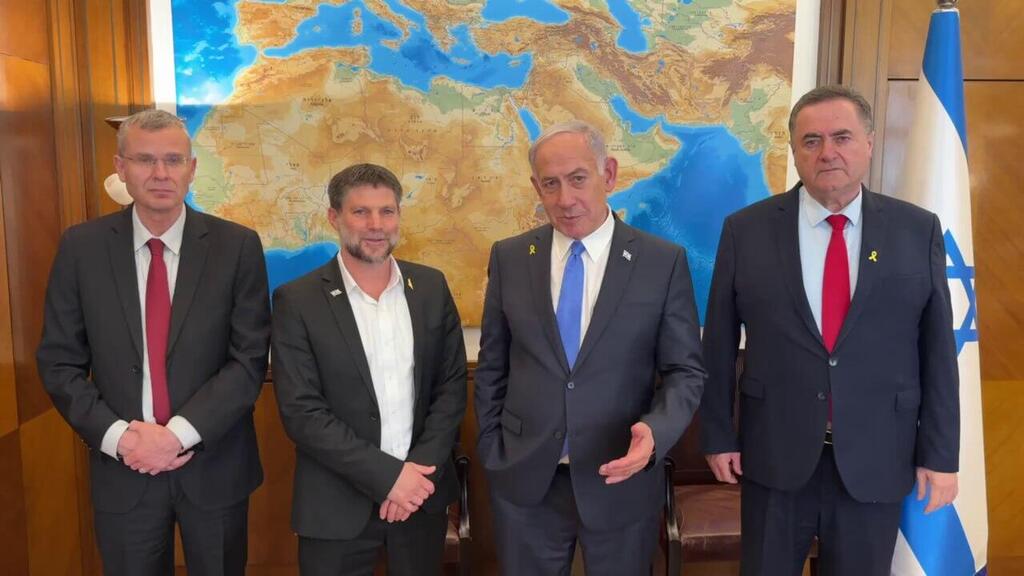
Justice Minister Levin, Finance Minister Smotrich, Prime Minister Netanyahu and Defense Minister Katz
(Photo: Prime Minister's office)
On Saturday, just a day after returning from Washington, Netanyahu met with Finance Minister Bezalel Smotrich. Though the two had already spoken three times during Netanyahu’s U.S. visit, this in-person meeting focused on softening internal resistance to a deal that would include a 60-day truce.
Smotrich has recently issued clear warnings to Netanyahu: unlike the previous deal passed in January, this time he won’t stay in a government that, in his view, abandons the war’s primary objective—dismantling Hamas. He continues to insist that once the hostages included in the deal are freed, IDF troops must resume fighting with greater intensity.
Several cabinet ministers say Netanyahu also emphasizes that Israel must achieve a decisive military victory—not just end the war. He reportedly views the campaign in Gaza as a broader test of national resolve.
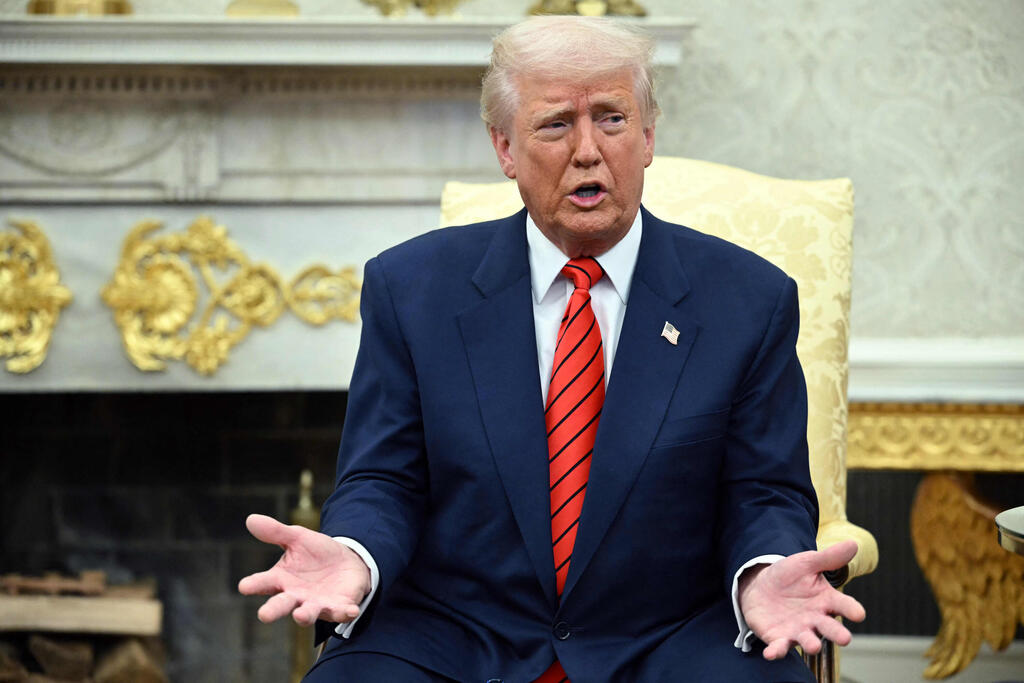
President Donald Trump
(Photo: Evelyn Hockstein / Reuters)
At present, both Smotrich and National Security Minister Itamar Ben Gvir oppose the emerging agreement, mainly because it would require IDF troops to withdraw from key areas. Hamas also rejects the current draft, demanding that Israeli troops fully exit Gaza. In response, Israel is working on an alternate framework. Smotrich has requested to see a detailed military plan outlining what happens post-deal, but no final version has been submitted.
A separate issue further complicating matters is the delivery of humanitarian aid. Officials are debating how to set up safe distribution zones while preventing supplies from falling into Hamas’ hands. A recent report estimating the cost of building a “humanitarian city” in southern Gaza at $2.6 to $4 billion sparked backlash, with some senior cabinet members accusing the military of inflating figures to influence policy.
Opposition leader Yair Lapid reacted sharply: “With the $4 billion Smotrich wants to spend on a humanitarian city in Rafah, we could reduce class sizes, lower gas and public transport prices, and subsidize daycare. That money won’t return. Netanyahu is letting Smotrich and Ben Gvir run wild with extreme fantasies just to hold his coalition together. Instead of looting the middle class’s money, they should end the war and bring the hostages home.”
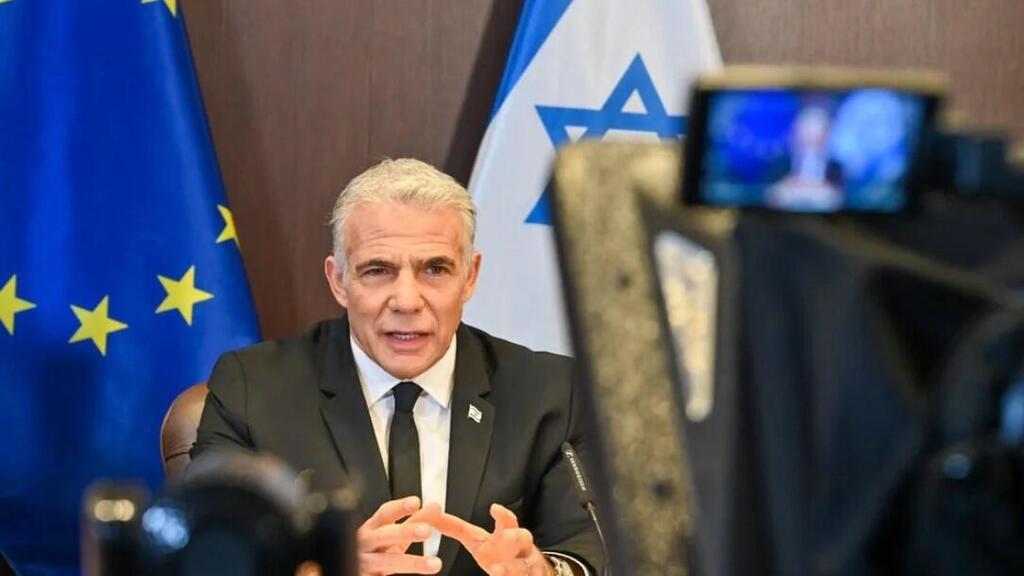
Yair Lapid: 'Netanyahu is letting Smotrich and Ben Gvir run wild'
(Photo: GPO)
A Palestinian source involved in the talks and close to Hamas said negotiations are deadlocked because Israel insists on maintaining control over 40% of Gaza during the ceasefire period. An Israeli official countered, saying: “Hamas is digging in its heels, preventing mediators from moving the deal forward. If they had accepted the Qatari proposal, we’d already be in the 60-day truce phase and deep in talks on ending the war.”
Get the Ynetnews app on your smartphone: Google Play: https://bit.ly/4eJ37pE | Apple App Store: https://bit.ly/3ZL7iNv
Hamas is refusing to accept Israel’s presence in the Morag corridor, which currently cuts Rafah off from the rest of Gaza. The group is also firmly opposed to expanding the buffer zone at Gaza’s expense.
Egyptian sources told the Qatari outlet Al-Araby Al-Jadeed that Israel’s proposed redeployment map marks a dangerous shift, undermining international diplomacy and putting Egypt in a precarious position. According to those sources, the map keeps Israeli control over 40% of Gaza and pushes hundreds of thousands of displaced Palestinians toward the Sinai border—threatening to destabilize the peace agreement between Egypt and Israel.
The report adds that Cairo sees a failure to reach a deal as a trigger for more drastic measures: stepping up its military and intelligence presence along the border, preparing for a potential mass displacement, and advancing a political initiative demanding a full Israeli withdrawal from Gaza.