

According to Israeli officials, the agreement has no fixed implementation timetable. It establishes two pilot zones from which the IDF will withdraw and the Lebanese army will deploy in their place, one north of the Litani River and the other to its south. The framework also includes mutual recognition of the two countries' sovereignty.
U.S. Secretary of State Marco Rubio, who led the negotiations, announced the agreement alongside Israeli Ambassador Yechiel Leiter and Lebanese Ambassador Nada Hamadeh Mouawad. "There's a lot of work ahead," Rubio said after the signing, describing the agreement as only "the beginning of the beginning."
Signing of the agreement between Lebanon and Israel
(Video: Reuters)


Rubio said Lebanon's people deserve "to live in peace, security and prosperity," where citizens from different backgrounds can live together in coexistence. He also stressed that Israeli citizens, particularly those living in northern Israel, deserve to live in peace and security after enduring repeated attacks launched from Lebanese territory by Hezbollah.
Unlike the November 2024 agreement, the new framework will be closely overseen by the U.S. military, which will also train and strengthen the Lebanese army. Israeli officials said the increased American involvement gives the agreement a greater chance of success than previous arrangements.
As in previous understandings, the Lebanese army is committed to dismantling Hezbollah's terrorist infrastructure in the pilot zones. If implementation proves satisfactory from Israel's perspective, additional areas could be added.
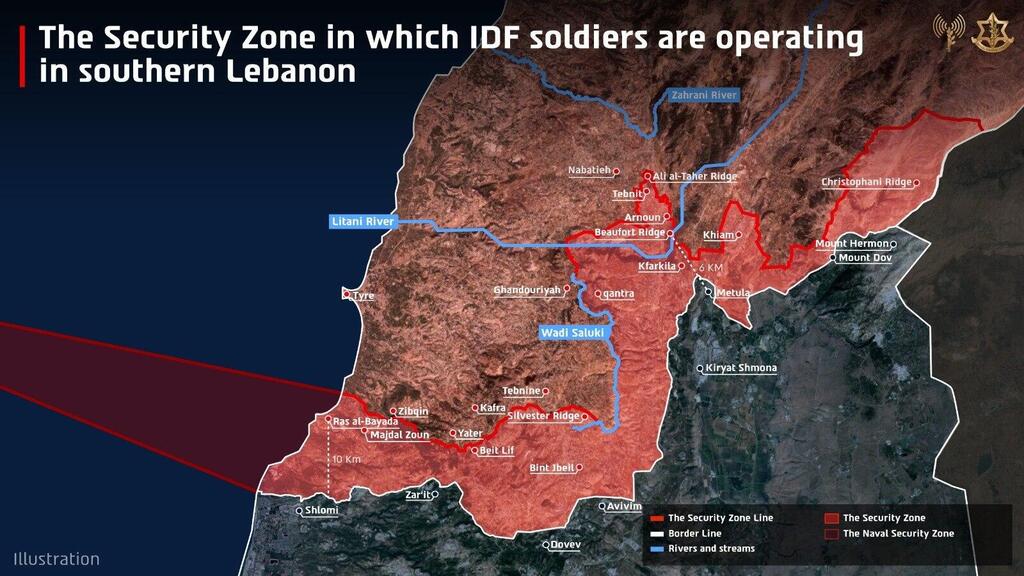
One of the areas from which the Israel Defense Forces (IDF) will withdraw is located north of the Litani River and beyond the "yellow line." As for the second, Israeli officials said it could be one of the areas the IDF recently captured beyond the yellow line to expand the territory under Israeli control, creating leverage in negotiations by providing land from which Israel could later withdraw. If the agreement is successfully implemented and the Lebanese army takes control of areas cleared of Hezbollah operatives, the IDF could also withdraw from additional territory along the yellow line.
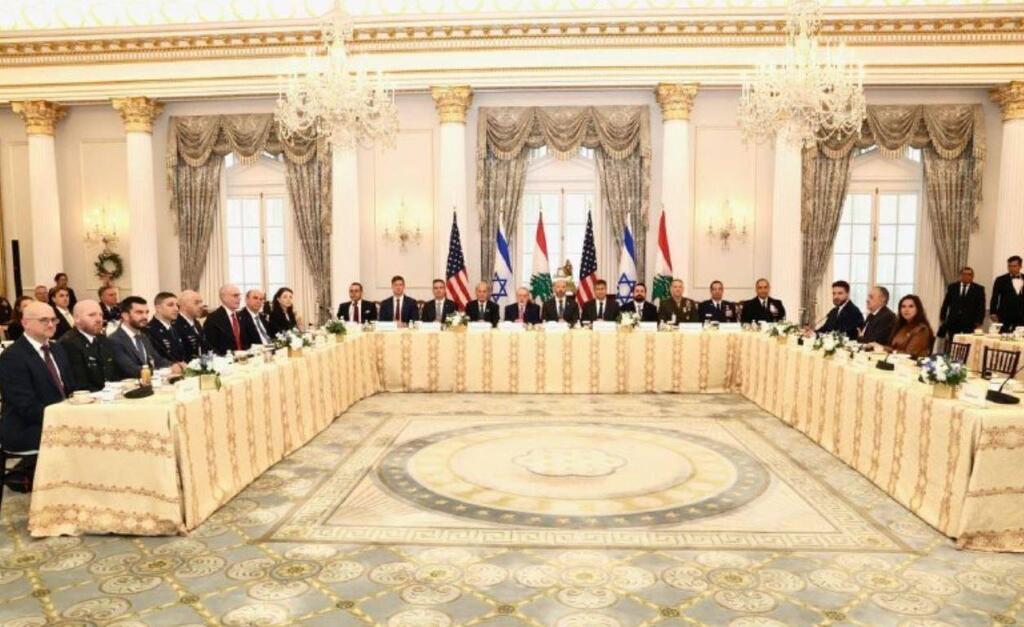
One of the pilot zones lies north of the Litani River and beyond the yellow line. Israeli officials said the second could include territory recently captured by the IDF beyond the yellow line to serve as a bargaining chip in negotiations. Should the pilot program succeed and the Lebanese army establish Hezbollah-free areas, Israel could later withdraw from additional territory along the yellow line.
Lebanese Ambassador Nada Hamadeh Mouawad thanked U.S. President Donald Trump on behalf of President Joseph Aoun and Prime Minister Nawaf Salam for hosting the talks. She described the trilateral framework as a first step toward restoring Lebanon's sovereignty and territorial integrity, securing a permanent ceasefire, allowing displaced residents to return and enabling Lebanese citizens to live in peace, security and prosperity. She said the negotiations had been "long and difficult" and credited the breakthrough to the Lebanese leadership.
Hezbollah has not issued an official statement on the agreement, but Hezbollah lawmaker Hassan Fadlallah reiterated the group's opposition to direct negotiations with Israel. He warned that the political and security track undermines Lebanon's sovereignty and called on Lebanese authorities to abandon direct talks. In remarks carried by the Hezbollah-aligned Al Mayadeen network, Fadlallah said the agreement would not be enforceable and insisted Iran would not support any agreement before a full Israeli withdrawal from Lebanon.
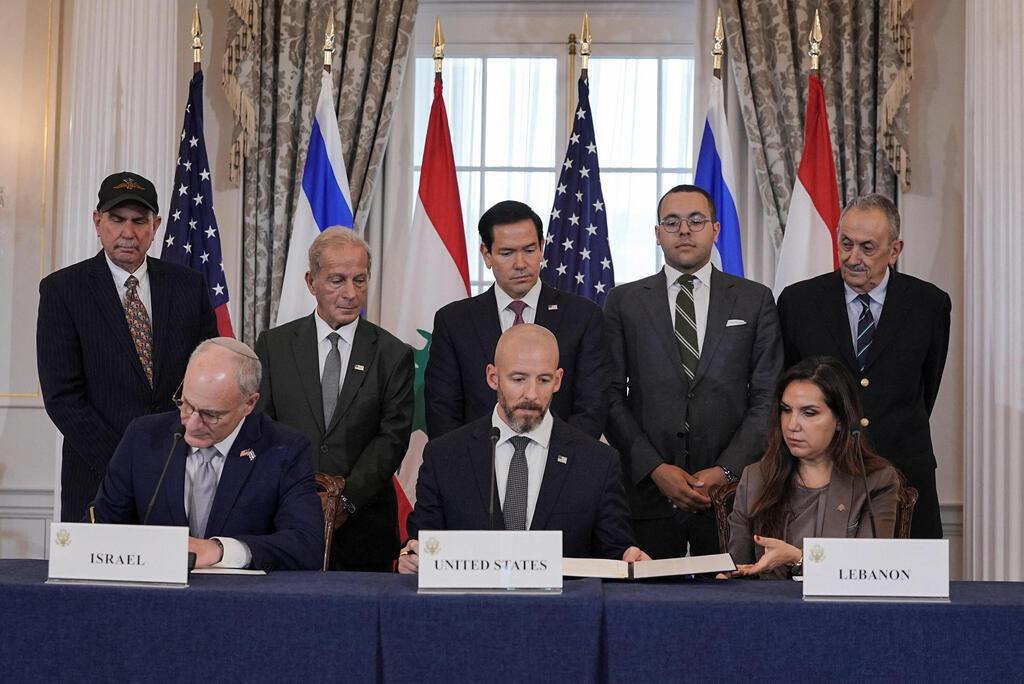
The new framework will be closely overseen by the U.S. military, which will also train and strengthen the Lebanese army
(Photo: REUTERS/Ken Cedeno)
Leiter described the agreement as the first step toward "a real peace agreement" between Israel and Lebanon. Thanking his Lebanese counterpart, he praised her as "a tough partner" and said the agreement keeps both Iran and Hezbollah outside Lebanon's future.
Prime Minister Benjamin Netanyahu, who had repeatedly pledged in recent weeks that Israel would not withdraw from its security zone in southern Lebanon, described the agreement as "a great achievement for the State of Israel." He said the prolonged negotiations in Washington had "borne fruit."
"The most important thing is that Israel remains in the security zone in southern Lebanon," Netanyahu said. "We will maintain it as long as Hezbollah is not disarmed and as long as there is a threat to the State of Israel."
Netanyahu said the two pilot zones were established at the recommendation of the IDF, with one located south of the Litani River outside the security zone and the other north of the river, partly within the expanded security area recently captured by Israeli forces. Netanyahu said the agreement would also allow the Lebanese army to begin taking control of territory. "We are establishing two pilot zones, both at the recommendation of the IDF," he said. "One is outside the security zone, south of the Litani River. The other is north of the Litani, partly within the expanded security area we secured over the past two weeks and that the IDF has made clear it no longer needs."
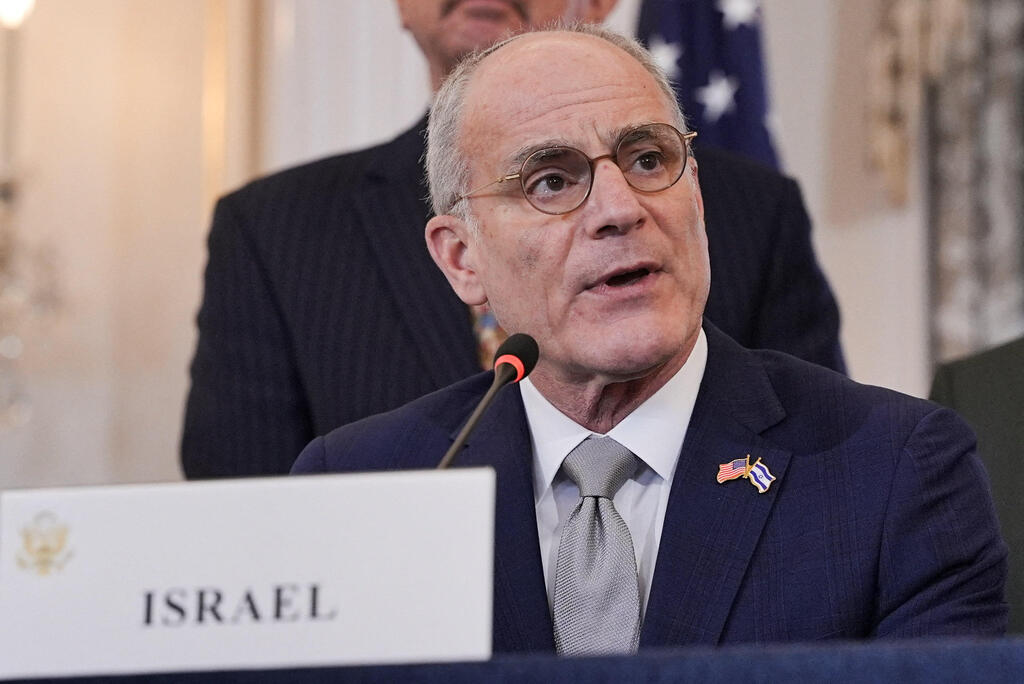
Leiter described the agreement as the first step toward 'a real peace agreement'
(Photo: REUTERS/Ken Cedeno)
He also said the agreement delivers "a major blow to Iran" by rejecting what he described as Tehran's attempts to force an Israeli withdrawal from southern Lebanon, adding that neither Iran nor Hezbollah would have any role in Lebanon under the new framework.
A senior Israeli security official described the agreement as "a historic event" that significantly weakens Iran's regional axis. According to the official, any future Israeli redeployment will depend on Hezbollah being disarmed throughout Lebanon.
A senior Israeli diplomatic official said the three-party framework signed by the United States, Israel and Lebanon is intended to pave the way for future agreements aimed at ending the conflict and eventually reaching a peace arrangement. Israel, the official said, will retain its security zone along the yellow line until Hezbollah and other terrorist organizations in Lebanon are disarmed and no longer pose a threat. The official added that the IDF will retain full operational freedom throughout the security zone to remove any threats.
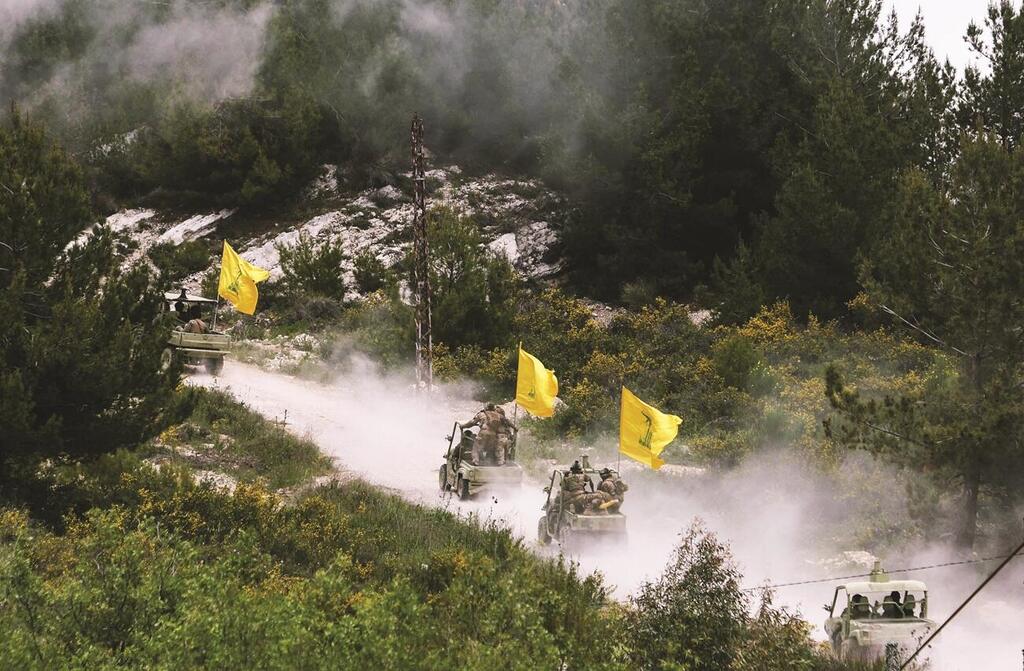
Hezbollah terrorists near the northern border
(Photo: Aziz Taher/Reuters)
(Photo: IDF Spokesperson)
U.S. Secretary of State Marco Rubio said as early as Thursday that the sides were nearing understandings on pilot areas tied to efforts to demilitarize Hezbollah. In those areas, Israeli forces would likely withdraw from territory already cleared, with the Lebanese army taking their place.
Rubio attended parts of the talks after returning to Washington from a regional trip, and has been leading diplomatic efforts.
A Lebanese official source quoted by Al Jazeera offered a different account, saying the withdrawal from the two areas would follow a continuous timeline and would serve as a prelude to a broader Israeli withdrawal later on.
Sources familiar with the talks said the current round was the most difficult so far among all rounds held to date. Despite the tense atmosphere, an Israeli official said the United States exerted strong pressure on both sides to reach agreements.
The atmosphre in the negotiating rooms, including at the State Department and the Pentagon, was described as tense and negative. Israeli sources said both the Lebanese and Israelis were angered by the inclusion of a Lebanese clause in a memorandum of understanding with Iran. According to these officials, the United States added the clause without consulting Israel or Lebanon due to Iranian insistence.
'The condition - disarming Hezbollah'
A senior Israeli security official said that despite remaining gaps between the current agreement and the 2024 arrangement, “this is a historic event that significantly neutralizes the Iranian axis. The agreement is backed by the United States and the Lebanese government.” The official added that “the condition for any Israeli redeployment is the disarmament of Hezbollah across all of Lebanon.”
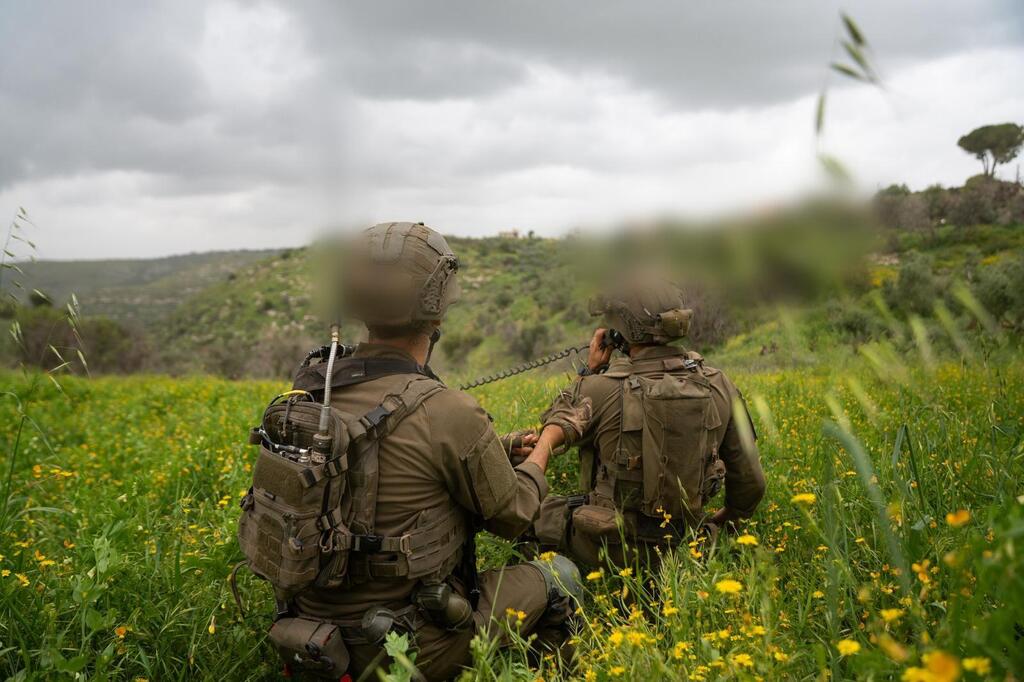
IDF soldiers in Lebanon
(Photo: IDF Spokesperson)
Following the announcement of the agreement at the White House, a senior Israeli political official said: “After lengthy negotiations between the United States, Israel and Lebanon, representatives of the three countries signed a trilateral framework designed to lead to future agreements between Israel and Lebanon, with the aim of ending the conflict between the countries and reaching a peace settlement.”
The official said Israel will maintain its security zone along the borders of the yellow line in Lebanon until Hezbollah and all other terrorist organizations in Lebanon are disarmed and no longer pose a threat to Israel.
He added that the IDF will retain freedom of action throughout the security zone to remove any threats. Israel and Lebanon agreed on two areas adjacent to the yellow line, recommended by the IDF, that will serve as pilot zones for dismantling Hezbollah and transferring control to the Lebanese army: one area outside the yellow line south of the Litani River, and a second area outside the original yellow line and north of the Litani River.
According to the official, “the trilateral framework represents a major achievement for Israel, fully rejecting Iran’s attempt to force a unilateral Israeli withdrawal from southern Lebanon and denying Iran and Hezbollah any role in Lebanon.”
First published: 20:19, 06.26.26