


As the IDF continues operations on multiple fronts and faces a shortage of about 7,500 combat soldiers in its regular forces, commanders and reservists are warning that the strain on the armed forces is reaching a breaking point, even as lawmakers approved legislation easing penalties for ultra-Orthodox draft evaders.
The military is short roughly 12,000 active-duty personnel, including about 7,500 combat troops, according to military figures. The shortages come after nearly three years of sustained military operations in Gaza, Lebanon, Syria and the West Bank that have placed unprecedented demands on reserve forces.
"Someone at the top doesn't understand the gap the reserve system is facing," one reserve officer said. "Soldiers are openly saying, 'I'm not coming for the next round.'"
The shortages have exposed a structural weakness in the military, which relies heavily on reservists during extended conflicts.
"The army simply wasn't designed for a war of this duration, certainly not from a manpower standpoint," the officer said. "The public's patience is also beginning to wear thin. At the beginning of the war, every soldier in uniform received support at home, at work and at school. That's no longer the case."
"Families are falling apart and people are losing their livelihoods," he said. "The solution isn't financial benefits. It's reducing the burden. The fighters simply need room to breathe."
Military officials said the gap between operational demands and the physical and mental capacity of reservists continues to widen.
"On one hand, the missions keep growing and the fronts keep expanding," one military official said. "On the other hand, we're wearing down the existing force instead of expanding it."
Officials warned that the prolonged strain is beginning to affect operational performance.
"Many pieces of equipment have been damaged and are no longer fully operational, yet they still have to be sent into combat," the official said. "Even something as routine as breaching a building can be done perfectly the first 50 times. After doing it a thousand times in a year, it won't look the same. Professional standards suffer, and that's dangerous."
Many divisions and brigades are now operating well below their authorized troop strength, military officials said, not only because of the overall shortage of combat soldiers but because reservists are increasingly unable to sustain repeated deployments.
The military has also begun assigning new recruits and prospective soldiers to units experiencing the greatest shortages, including formations that were previously less popular among volunteers, in an effort to fill manpower gaps created by the prolonged war.
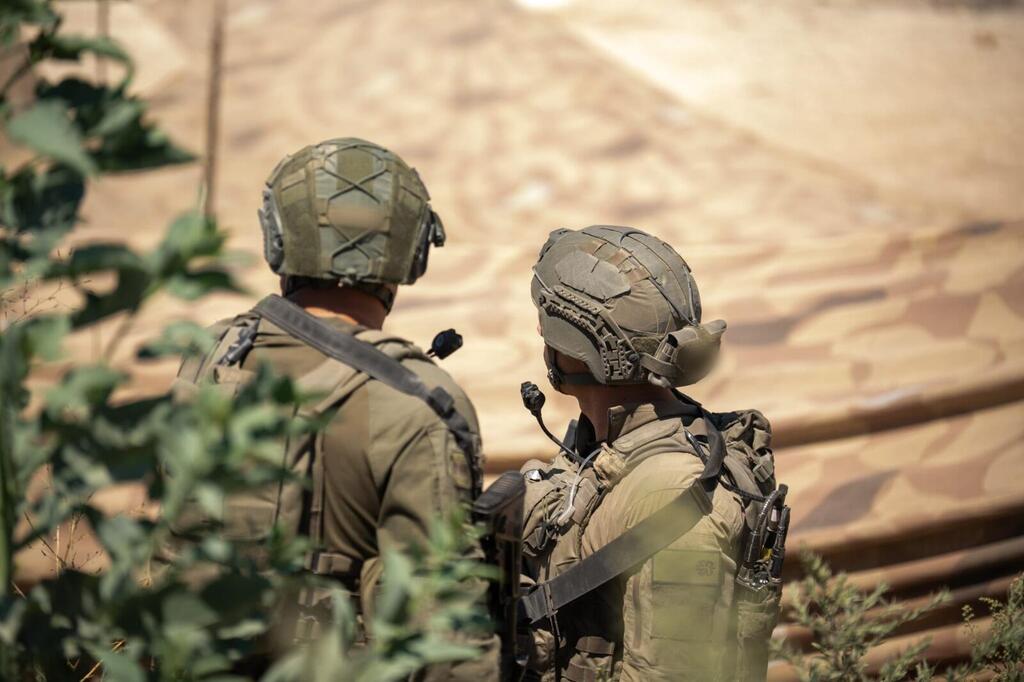
IDF forces operating in Gaza
(Photo: IDF)
Despite the mounting fatigue, commanders say soldiers continue reporting for duty.
"We'll stay here as long as we're needed," one officer serving deep inside southern Lebanon said.
"People outside don't really understand what's happening here," he said. "A person is called up again and again. Soldiers are performing several jobs at once because there's no alternative. We've been away from home for such long periods, with extremely limited leave, even after hundreds of days of fighting over the past two years. It's unbelievable."
"At first we said we wouldn't come back for another deployment," he added. "But every time the orders arrive, everyone reports."
He described increasingly complex logistical demands as Israeli forces maintain positions inside neighboring countries.
"The missions just keep expanding," he said. "Now we also have to maintain forces deep inside hostile territory with complicated logistics. Sometimes the food arrives in poor condition because of the terrain. It's extremely tough."
"There is a culture of 'don't complain,' but many of us feel that nobody at the top really cares," he said. "We've raised these concerns in every possible forum, including during visits by senior officers."
Reservists serving in the West Bank, where military activity has continued at a lower intensity than in Gaza or Lebanon, described similar pressures.
"I'm starting another reserve rotation now with the Judea Regional Brigade," one reservist said, using the military's name for the unit responsible for part of the southern West Bank. "I'm home only every other weekend after hundreds of reserve days. I haven't really been with my children for months. My wife is alone with them all summer. Beyond that, there's my own operational capability. How can anyone not burn out?"
Without legislative changes extending mandatory military service from 32 months to 36 months beginning in January 2027, the military says it will be forced to disband five battalions. Nearly every remaining battalion would lose one company, reducing training, command and operational support capabilities, particularly for combat units.
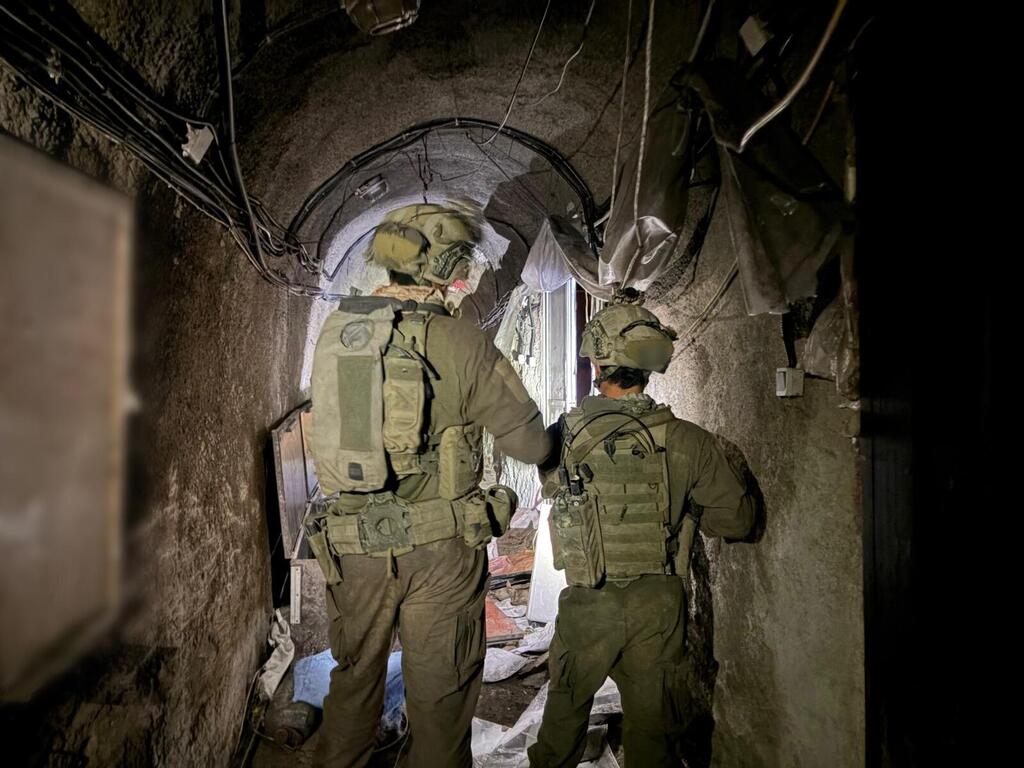
IDF forces operating in Lebanon
(Photo: IDF)
Military officials estimate that restoring mandatory service to three full years would reduce reserve duty by as much as 15%, significantly lowering the number of reserve days required each year while allowing the army to establish additional battalions.
Without additional manpower, officials say, operational demands will continue to fall on the same reserve force.
The warnings have echoed repeated appeals from IDF Chief of Staff Lt. Gen. Eyal Zamir, who has publicly and privately warned in recent months that the military risks "collapsing into itself" under the burden of sustained operations.
Zamir has raised concerns in closed meetings, issued formal warnings to the Knesset Foreign Affairs and Defense Committee and repeatedly highlighted the manpower crisis.
Despite those warnings, the Knesset on Tuesday gave final approval to legislation eliminating automatic arrest warrants for many ultra-Orthodox Jewish men who fail to report for military service. The law is part of the country's broader dispute over military exemptions granted for decades to many ultra-Orthodox men studying full time in religious seminaries, an issue that has become increasingly contentious as reserve soldiers shoulder repeated combat deployments.
The continuing military stalemate across multiple fronts has forced the army to maintain permanent troop deployments in Gaza, Lebanon, Syria and the West Bank, further stretching its manpower.
Even as senior commanders warn of severe personnel shortages, however, the military has begun sharply reducing emergency reserve call-up orders in recent days.
The reductions have become a major topic of discussion among reserve units after some formations were informed that their active manpower would be cut by as much as 50% beginning next week.
Other units were told that all activities not deemed essential to ongoing military operations would be suspended immediately.
The reductions extend beyond rear-area defense units and also affect forces deployed in active combat zones, according to reservists and military officials.