

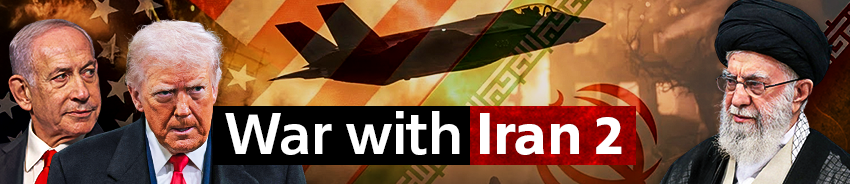
Shirin, a resident of Tehran, was among many Iranians who celebrated the death of Supreme Leader Ali Khamenei. She marked his killing by drinking wine and dancing with friends. But as the war continued, Shirin began to question the logic of the campaign led by the United States and Israel.
Shirin, a woman in her 30s, agreed to share her feelings with AFP about the war that began 11 days ago.
In January, massive protests erupted across Iran in one of the largest waves of demonstrations since the 1979 Islamic Revolution. Thousands were killed in the regime’s brutal crackdown.
On February 28, when Donald Trump and Benjamin Netanyahu launched their attack on Iran, they offered several justifications for going to war. One of them was that the war would help Iranians fulfill their dream of overthrowing the ayatollahs’ regime and changing the nature of their state.
“Your hour of freedom is near,” Trump told Iranians when announcing the start of the war.
“At first I supported the war,” Shirin said. “After Khamenei’s death on February 28, I celebrated the event with friends.”
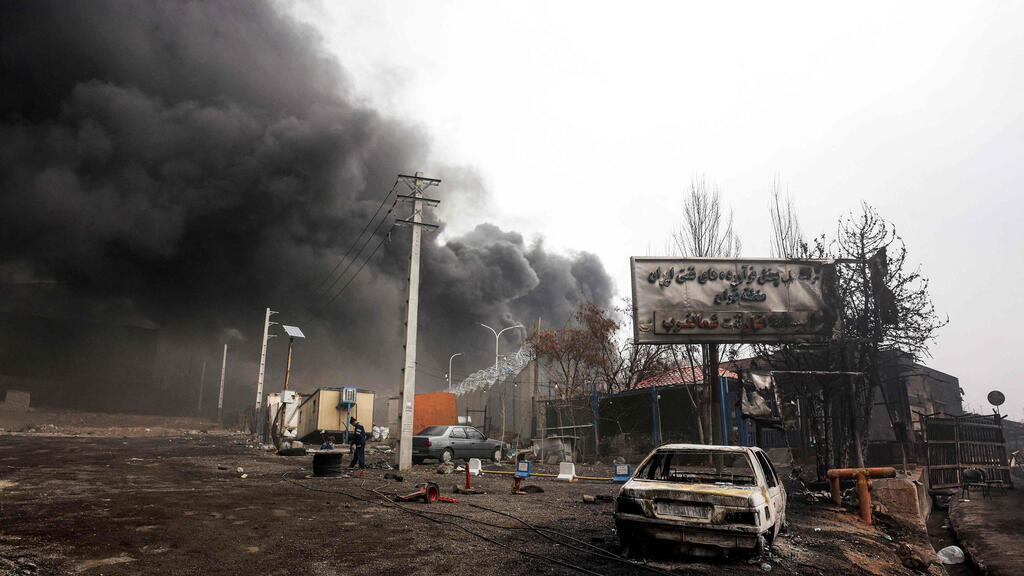
But when airstrikes hit fuel storage facilities on Sunday, sending thick black smoke into the sky, Shirin said she began to change her mind.
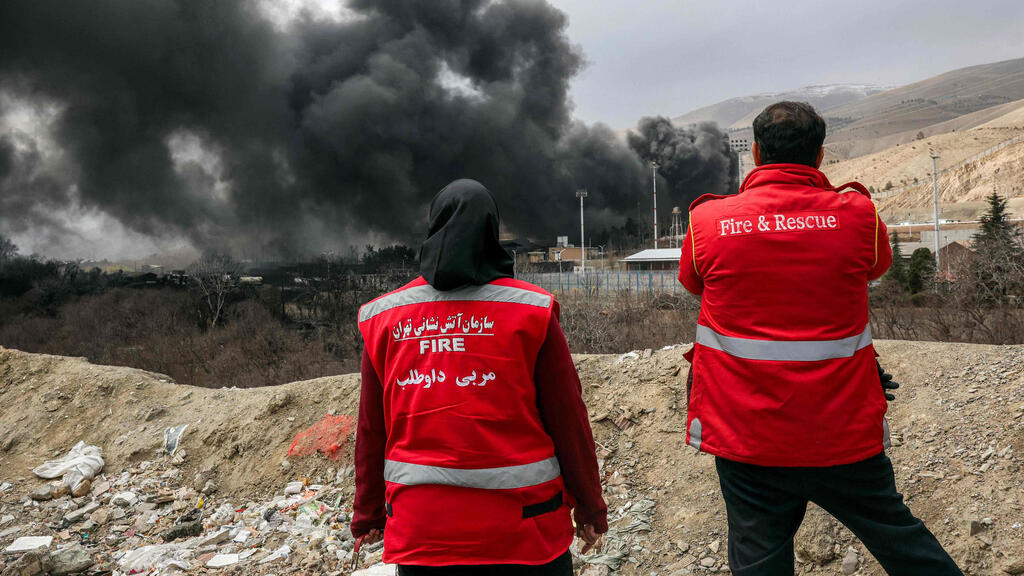
Smoke after attack on Iranian oil facility
(Photo: AFP)
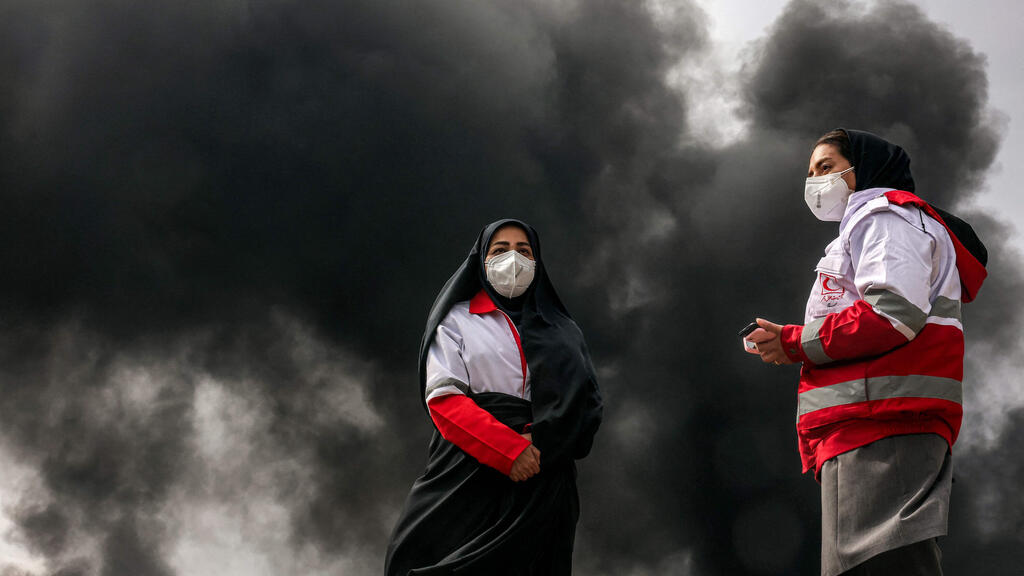
(Photo: AFP)
(Photo: AFP)
“This is not what we wanted,” she said. “We did not want them to bomb our national assets and make us even poorer than we already were,” she explained.
Other Iranians fear the possibility of a civil war, a scenario that could actually strengthen public support for the regime.
“Many people fear the post-Islamic period. Like my father, who thinks it could be worse after they leave,” said a shop owner in the southern Iranian city of Shiraz.
The shop owner remains optimistic for now and believes the pain and cost of the war will ultimately be worth it.
“Most people I know hope things will improve and that we will finally have freedom.”
A young woman in Tehran who supports the Iranian opposition said she is pleased by the damage currently being inflicted on the regime she hates.
“But the fact that it is so costly, and that so many innocent people are dying, makes me feel terrible,” she told AFP.
Some Iranians have decided not to flee the country, hoping instead to remain and celebrate the regime’s downfall—if and when it happens.
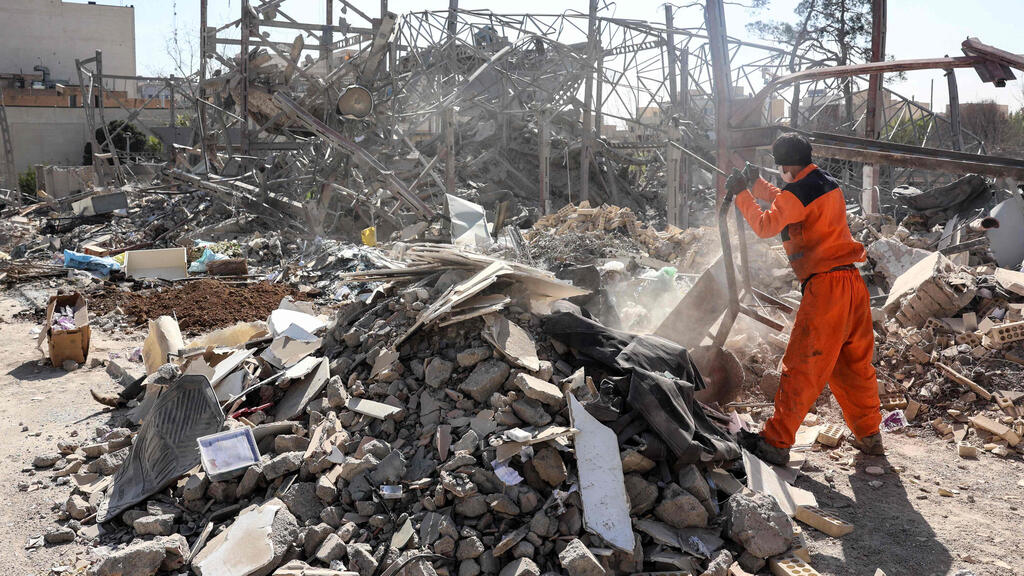
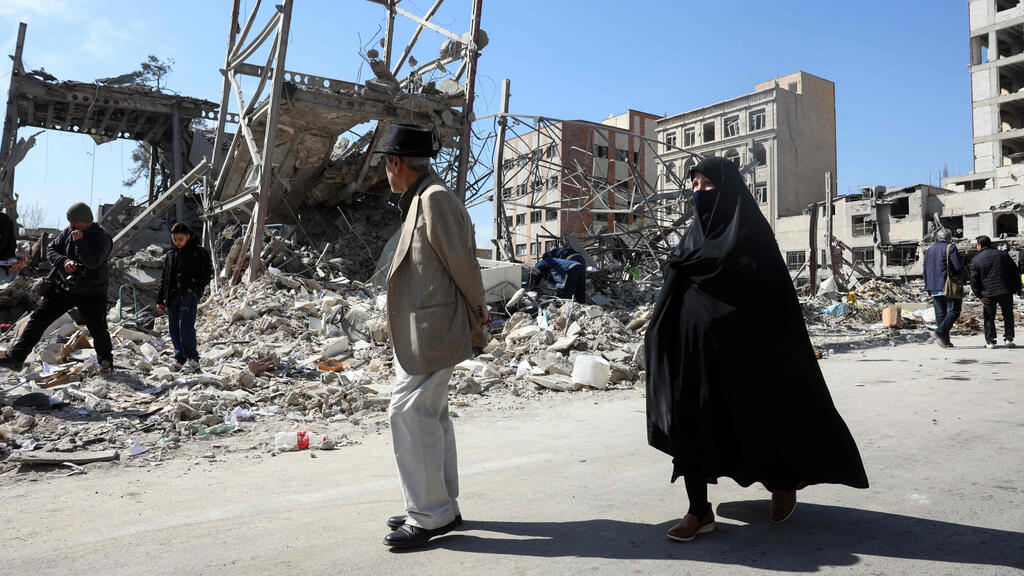
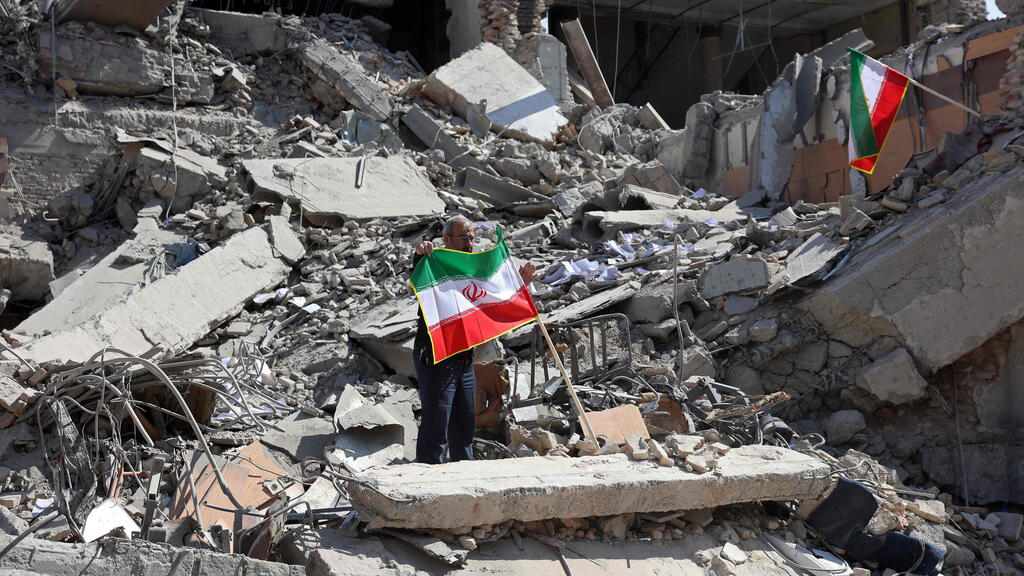
Since the start of the war, the United States and Israel have carried out thousands of airstrikes against military targets, as well as against internal security infrastructure such as police buildings and other security forces’ facilities.
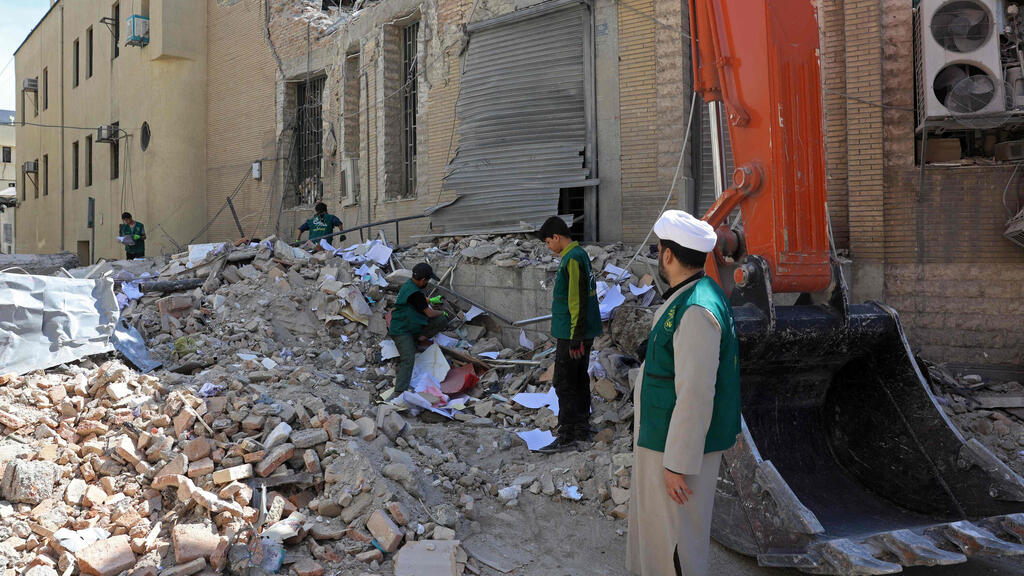
Tehran residents among the ruins
(Photo: AFP)
(Photo: AFP)
(Photo: AFP)
“They are not hitting ordinary buildings. They are hitting police stations, mosques, military targets and airports. But the noise of the bombings is very frightening for us,” said a woman in Tehran.
“If a police station at the end of your street is hit, all the windows in your house shatter. That’s what happened to many people,” she added.
Iran’s Health Ministry said Monday that more than 1,200 civilians have been killed since the war began—figures similar to estimates by human rights organizations outside Iran—and that more than 10,000 people have been wounded.
AFP said it was unable to access many of the airstrike sites to verify the authorities’ claims and could not obtain confirmation of the casualty figures from independent sources.
The Islamic Republic has suffered heavy damage from Israeli and American strikes, but publicly insists it remains stable.
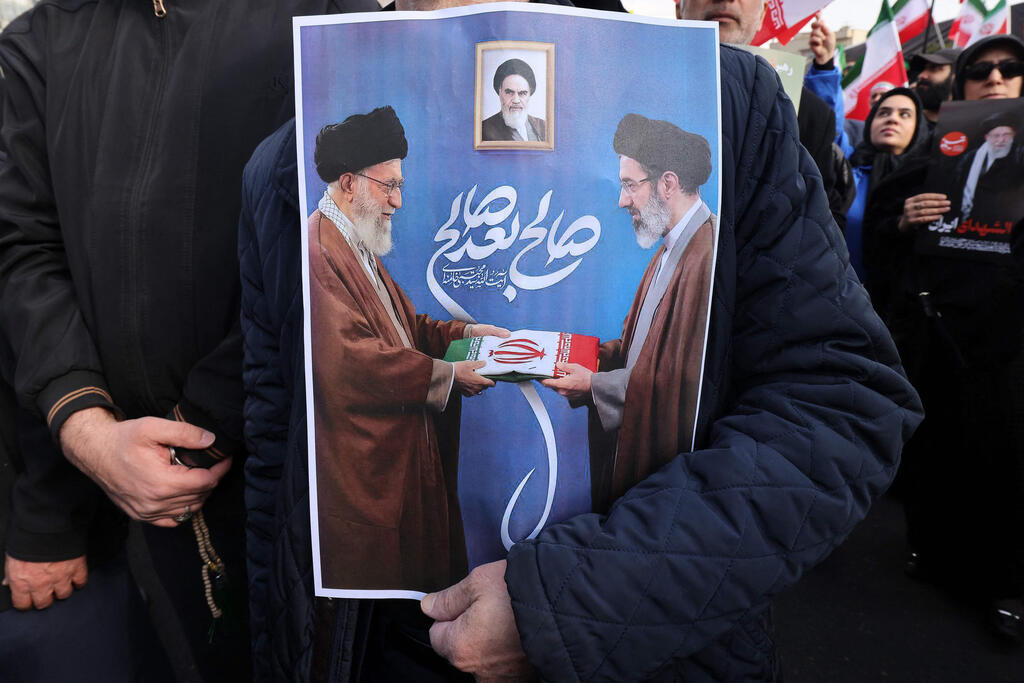
Demonstration i support of Iran's new Supreme Leader
(Photo: Atta Kenare / AFP)
On Sunday, the regime decided that Mojtaba Khamenei, the son of Ali Khamenei, would succeed his father as Supreme Leader. The following day, tens of thousands of people attended a pro-regime rally in Tehran. State media reported similar demonstrations across the country.
Ali Ansari, a professor of Iranian history at the University of St Andrews in Scotland, told AFP that it is extremely difficult to gauge public opinion in Iran regarding the war.
He said he is skeptical that the regime will be strengthened by the conflict or that a nationalist wave will cause Iranians to “rally around the flag.”
After the 12-day war in June, protesters returned to the streets of Iran demanding the regime’s fall.
“I don’t think bombing a fuel depot was a good idea, but I would be surprised if hatred for the regime disappeared for any significant period of time,” Ansari said.
“Once the bombing stops, we’ll see what happens. I think that even if the regime survives, it will be so paralyzed that it won’t be able to do very much.”