


Six months after crossing the Kissufim border checkpoint back to Israel from Gaza, where she was held alone for 482 days by the Palestinian Islamic Jihad, Arbel Yehoud pauses to reflect—but never truly stops. “It doesn’t feel like six months to me,” she says. “Everything feels like one long day since October 7, a day that never ends, just stretches and splits between where I am physically and where my heart remains trapped.”
Thursday will mark half a year since Arbel’s release, yet she refuses to focus on her own recovery while 50 hostages remain in captivity. “I know it would weaken me, divert me from the fight,” she explains. “I came back with a clear purpose the moment I crossed Kissufim. My priority since leaving is to stay driven, to fight and not let anything distract me. I’m not dealing with my own healing—I’m entirely focused on this.”
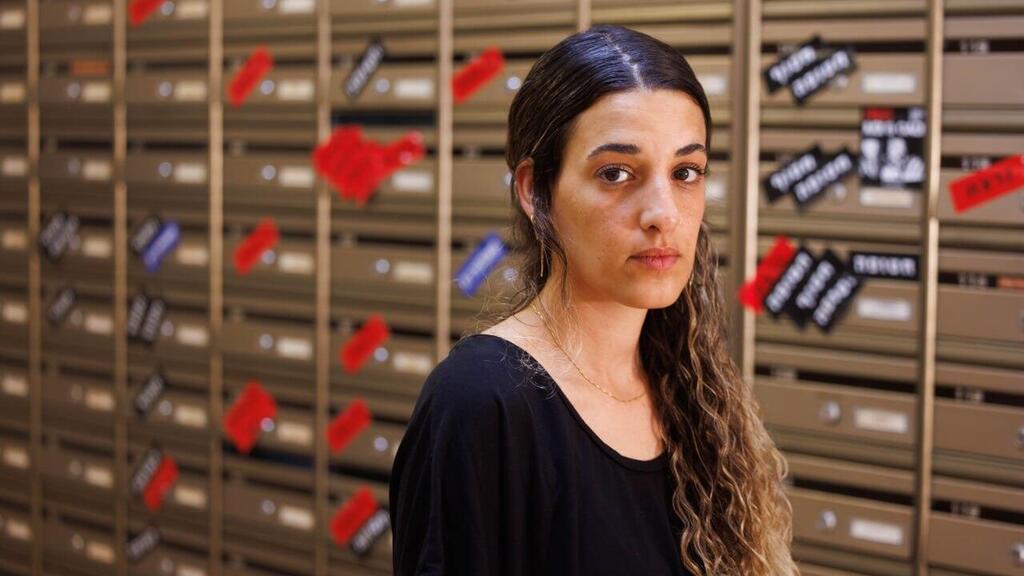
She acknowledges a disconnect with those around her. “Just two or three weeks ago, someone told me it’s almost been six months, and I said, ‘No way, I’ve been here three months.’ We counted backward, and it hit me,” she says. “I’m learning to cope with a tough mental state while surrounded by support. But something in me changed in captivity—sometimes I want to break down alone.”
Since her release, Arbel has been fully committed to the campaign to free the hostages. “You can’t recover while they’re still there,” she insists. The physical and emotional scars from captivity linger. “Fear lived in you there, every second, never easing even for a moment,” she says.
“The physical sensations of fear and absolute anxiety stay in your body. There, it was terrifying moments—cocked guns, psychological terror. When negotiations collapsed, conditions worsened. Treatment changed. It could mean abuse or psychological torment. When the army was close or talk of a rescue emerged, it became a direct threat to us.”
Even now, she imagines the ordeal of those left behind, especially when talks of a deal falter. “I compare it to what I felt when the first deal collapsed in 2023—abandonment, neglect, being left behind, maybe even discrimination,” she says.
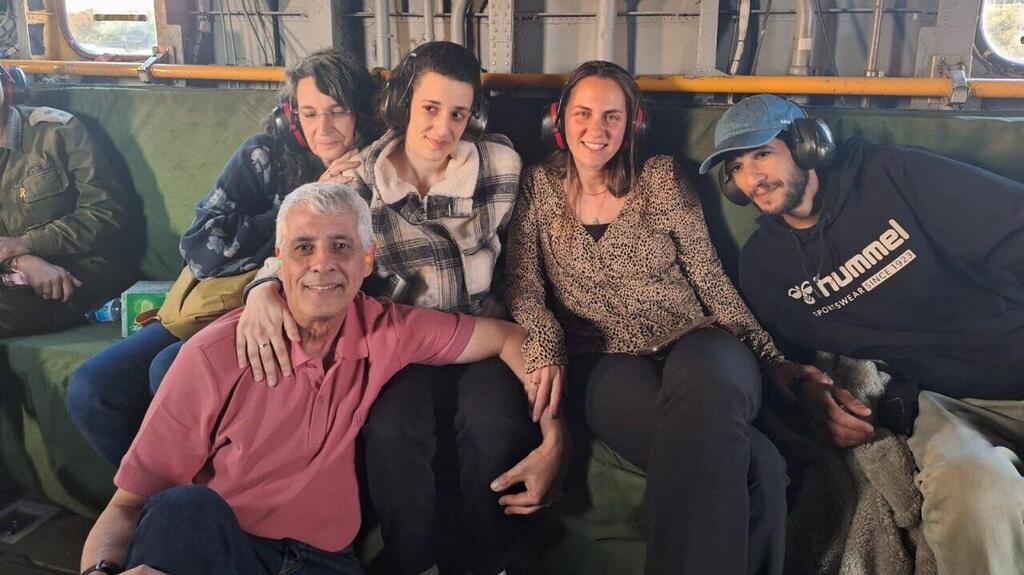
Arbel Yehoud on IDF helicopter heading to Israel from Gaza
“If it felt horrific then, it’s a million times worse now. They had two months of ceasefire, then back to fighting, to bombings. Maybe they saw people leave or heard details. I can’t imagine what they’re going through.”
Get the Ynetnews app on your smartphone: Google Play: https://bit.ly/4eJ37pE | Apple App Store: https://bit.ly/3ZL7iNv
The moment of her release remains vivid, particularly because her partner, Ariel Cunio, 28, was not freed. “It was a long, uncertain process. I didn’t know if it would fall apart,” she recalls. “From the moment the deal was set, all I could think about was that I was on the list and he wasn’t.
"You learn there that nothing is certain until it happens. And when it does, it hits harder—that I was leaving, and he was staying.” She adds painfully, “At the moment of release, those feelings intensified. I was leaving him behind, hoping he didn’t see me go, not wanting to make it harder for him. Crossing the border, I thought about what it meant for him. When I’m with his family, I feel closest to him.”
Ariel Cunio and Arbel Yehoud
Fear didn’t end with her departure from Gaza; it merely changed form. “Here, the fear is for them, for my loved one, for his brother David Cunio,” she shares. Amid personal pain—her brother Dolev was murdered on October 7 at Nir Oz, a loss she hasn’t had time to mourn—she fights not only for Ariel but for all hostages.
“Every morning, I wake to news of another fallen soldier, and I can’t grasp how,” she says. “Every day starts with another announcement of a fallen soldier. What’s the point?”
She struggles with these announcements. “When I returned, and people mentioned it, I didn’t understand these slogans,” she says. “Now I live the reality others have faced for two years. We wake to another announcement, but for what? What’s the purpose of this war if it doesn’t bring back those in captivity?”
Arbel argues that military pressure isn’t freeing the hostages. “Senior Hamas figures have been eliminated and conquering more territory over our hostages’ heads—I can’t understand why,” she says.
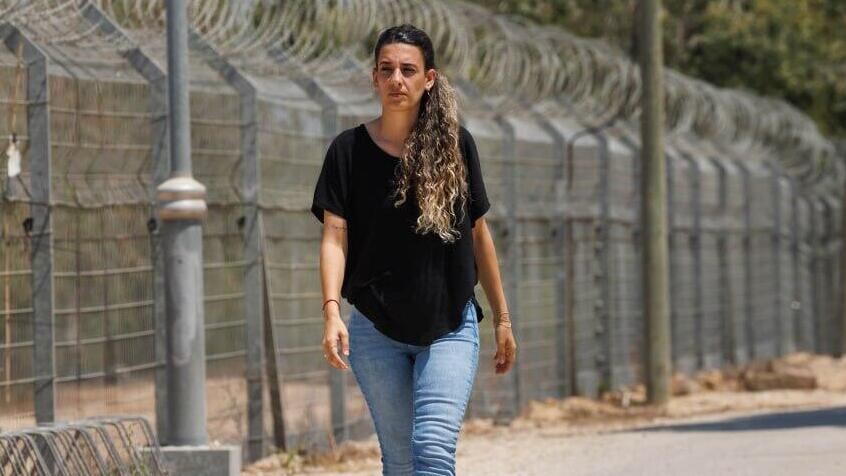
Arbel Yehoud
(Photo: Ziv Koren)
“I demand those who can act, whose hands aren’t tied, to take a bold step, end this, bring them back, bring the soldiers home, give us a chance to heal, to try returning to lives that will never be the same.”
Despite her private grief for her murdered brother and captive partner, Arbel doesn’t lose sight of the collective cause. She thanks those fighting alongside her and urges persistence: “The hostages are us. If they don’t return, none of us truly will.”