

After a week of widely criticized and controversial legislative blitzes, and three days after the Knesset went into summer recess, the election campaign has officially begun. The Knesset gates have been locked until the next Knesset is sworn in in mid-November, and lawmakers, candidates and party leaders will spend the next 100 days battling for voters’ support.
So what will be the central questions accompanying the coming election campaign?
1. Will the election produce a clear result?
Israel has experienced repeated elections and the severe political crisis over the past seven years, and the October 27 election also will be defined by one major question that will remain with us until the polls close: Will there be a clear outcome?
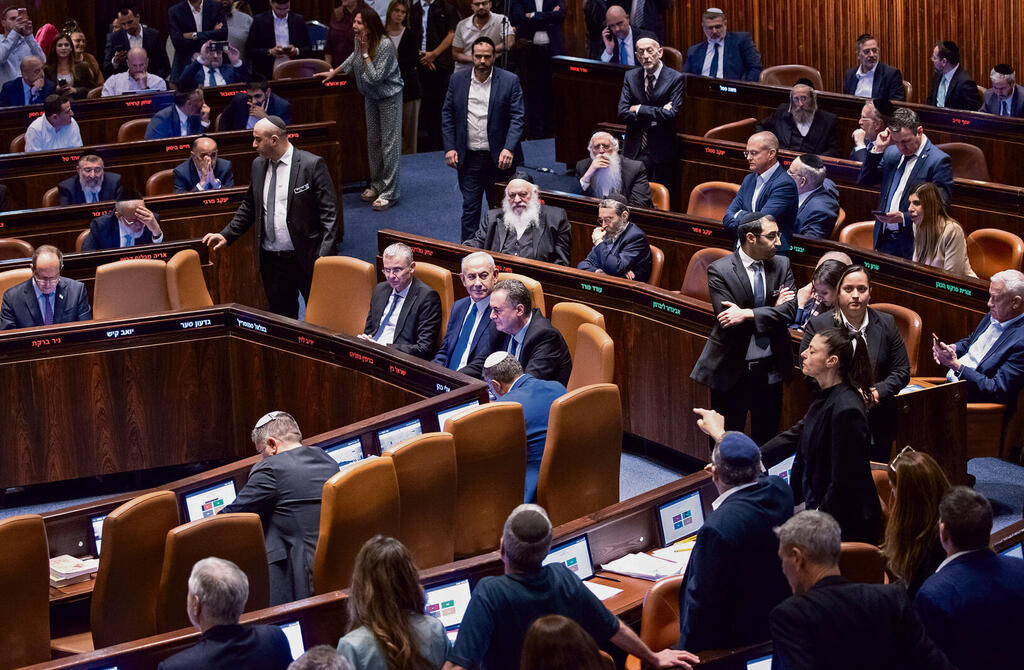
If the Arab parties’ votes are not taken into account for forming a coalition, neither side has a majority to form a government. Prime Minister Benjamin Netanyahu and Likud are running a campaign arguing that the change camp and the opposition have no majority to form a government without the Arab parties. Netanyahu is therefore sticking to Yashar! chairman Gadi Eisenkot or Beyahad chairman Naftali Bennett - depending on the polls - the claim that they will form a government only with the Arab parties. Netanyahu’s opponents, meanwhile, are linking him to the Haredi parties and the latest legislative blitz in order to send the message that Netanyahu will surrender to an extortionist coalition.
The election will be decided by the “undecided voters” or “swing voters” moving between Netanyahu and other right-center parties. The share of undecided voters in the polls ranges between about 10% and 20% of voters, meaning they are worth between 12 and 24 Knesset seats. This is the most important pool of votes for any campaign manager. Because the polls are so close, even a small number of undecided seats could decide the election.
2. How much can the October 7 massacre affect the result?
On the face of it, the greatest disaster in Israel’s history has already affected the political system. The coalition, which currently has 68 seats, did complete a full term, but today it cannot reach the minimum 61 seats required to form the same coalition again. Will October 7 change public opinion in the final four months before voters enter the polling booth? Probably not.
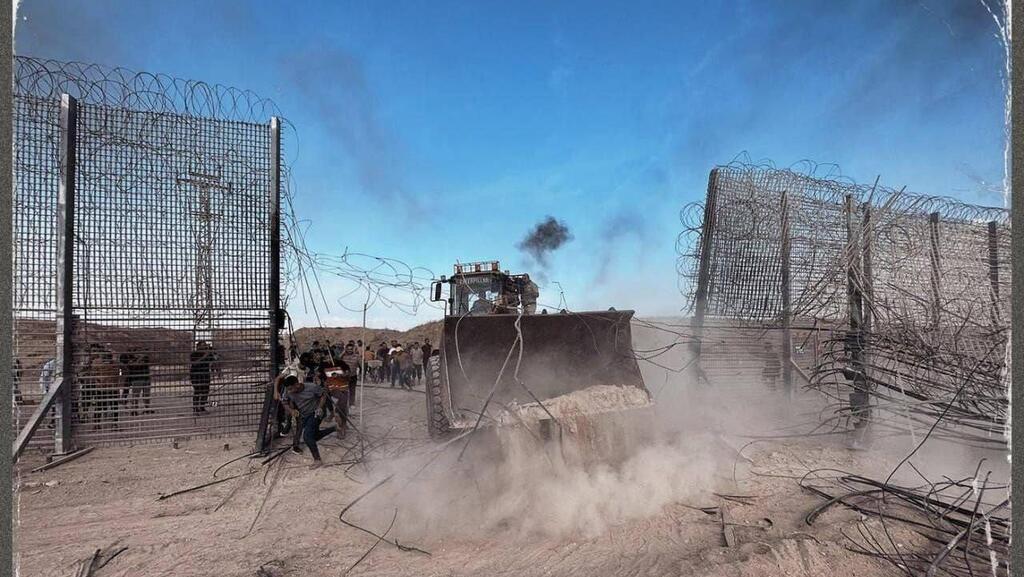
Gaza border fence breached on October 7. Will it affect Netanyahu's election chances?
Netanyahu tried to avoid an election in October, and also the number “7,” but in conversations with his aides he estimates that the October 7 massacre is already reflected in his current political standing and will no longer be a reason for voters to switch sides. Moreover, Netanyahu is more concerned about the damage caused to him by the latest wave of legislation, such as the “immunity” law for Haredi deserters and draft dodgers, than by the images of the massacre, which will mark its third anniversary in October.
3. The draft law, judicial overhaul or the security situation?
The standing of “Mr. Security” has eroded significantly since October 7, but Netanyahu reportedly held strategy meetings with Likud ministers and intends to use military achievements to turn the tables. “Netanyahu in strategy talks: focus on security achievements and the judicial reform,” Channel 14 reported.
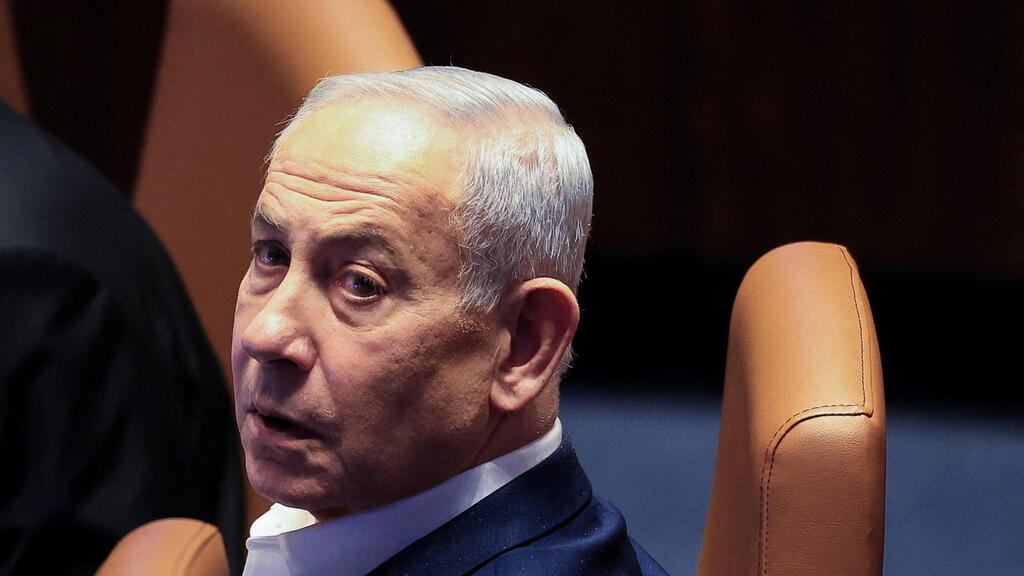
Netanyahu's status as 'Mr. Security' has eroded significantly since October 7
(Photo: Ronen Zvulun/Reuters)
As for the judicial overhaul, this is a campaign aimed at the base itself — voters who will not vote for the change bloc, but may also not go out to vote at all. The struggle against the judicial “junta” and the “deep state” succeeds in stirring Netanyahu’s “despairing” or “indifferent” voters.
On the other side, a combined campaign will emerge: the decision to torpedo the establishment of a state commission of inquiry in order to show that Netanyahu is running away from the October 7 massacre, and the question of the prime minister’s responsibility or guilt. But the draft evasion law and the deal with the Haredi parties will also star in the election campaign. This is a significant advantage in the campaign of Netanyahu’s opponents, and Netanyahu knows it is also his weak point.
4. Who will lead the Change Bloc — Eisenkot, Bennett or both?
The change bloc’s major problem is its inability to focus on one leading candidate for prime minister against Netanyahu. That is also Netanyahu’s luck: The candidates seeking to replace him have not managed to cement a narrative around one candidate and create a head-to-head race. The bloc began with Bennett and shifted to Eisenkot after the dramatic change in the polls.
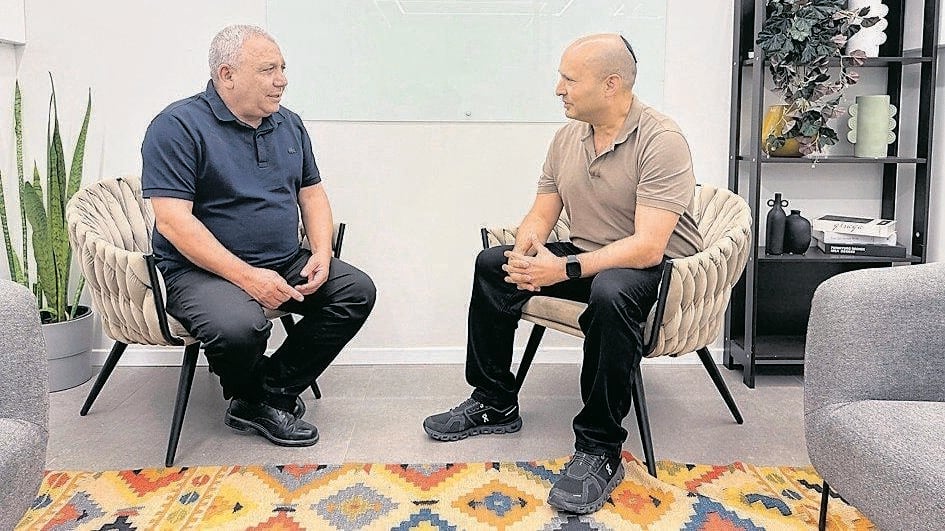
Eisenkot and Bennett: Who will lead the Change Bloc?
The important question now is not who will ultimately be the bloc’s candidate — Avigdor Lieberman has announced that he is also in the running — but whether all the parties that have declared their intention to replace Netanyahu will manage to unite behind one candidate. In such a case, a Bennett-Lapid alliance with Eisenkot could be possible, with the parties running together on one large slate.
5. Could small right-wing parties decide the election?
Small right-wing parties that are not Likud or coalition parties, and that are fed up with Netanyahu’s rule or oppose the Haredi-nationalist line of Religious Zionism, could decide the election. Their advantage lies in the fact that they are free of commitments — yes Bibi or no Bibi — and could form a government with any candidate. In other words, they could give Netanyahu or another candidate the 61 seats needed for a majority.
As for whether such parties help Netanyahu or hurt him, opinions are divided. Some believe Netanyahu has an interest in such parties in order to bring right-wing seats back home — though not necessarily to Likud — mainly from Bennett-Lapid and Eisenkot. Others believe that these parties could just as easily go with the other side and complete the majority needed to replace Netanyahu.