

Amid the deadlock in negotiations, U.S. President Donald Trump is expected on Thursday to receive a briefing on new plans for possible military action in Iran from the commander of U.S. Central Command, Adm. Brad Cooper, sources familiar with the matter told Axios. Gen. Dan Caine, chairman of the Joint Chiefs of Staff, is also expected to attend the briefing.
According to the report, CENTCOM has prepared a plan for a “short and powerful” wave of strikes against Iran, likely including infrastructure targets, in the hope of breaking the stalemate in the talks and bringing Tehran back to the negotiating table with greater flexibility on the nuclear issue.
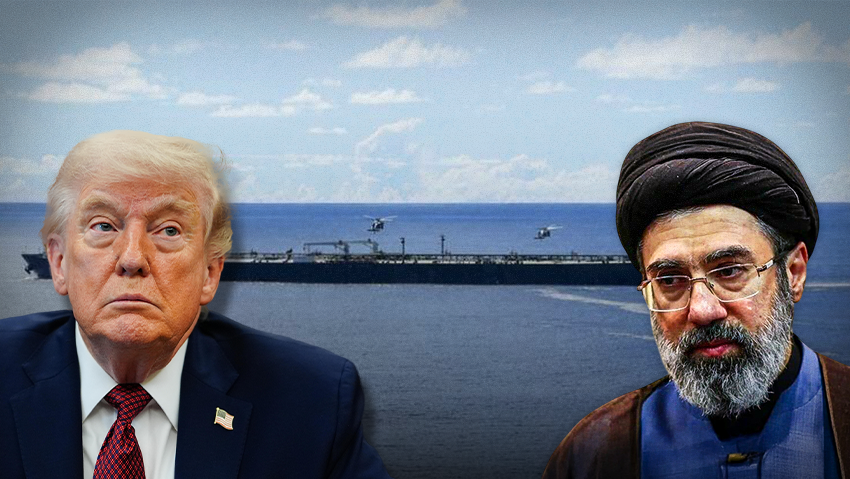
Another plan expected to be presented to Trump focuses on taking control of part of the Strait of Hormuz to reopen it to commercial shipping, a move that could also involve ground forces. A further option previously discussed and possibly to be raised in the briefing is a special forces operation to recover the roughly 450 kilograms of uranium enriched to 60% that Iran holds.
CENTCOM commander Cooper gave Trump a similar briefing on February 26, two days before the U.S. and Israel launched the war against Iran. A source close to Trump said that briefing contributed to his decision to go to war.
Since declaring a ceasefire on April 7, Trump has not appeared eager to renew the war. After threatening to destroy Iranian civilization, he has repeatedly chosen the diplomatic path. Still, he is seeking to increase economic pressure on the Iranian regime so it will yield to his central demand: dismantling its nuclear program.
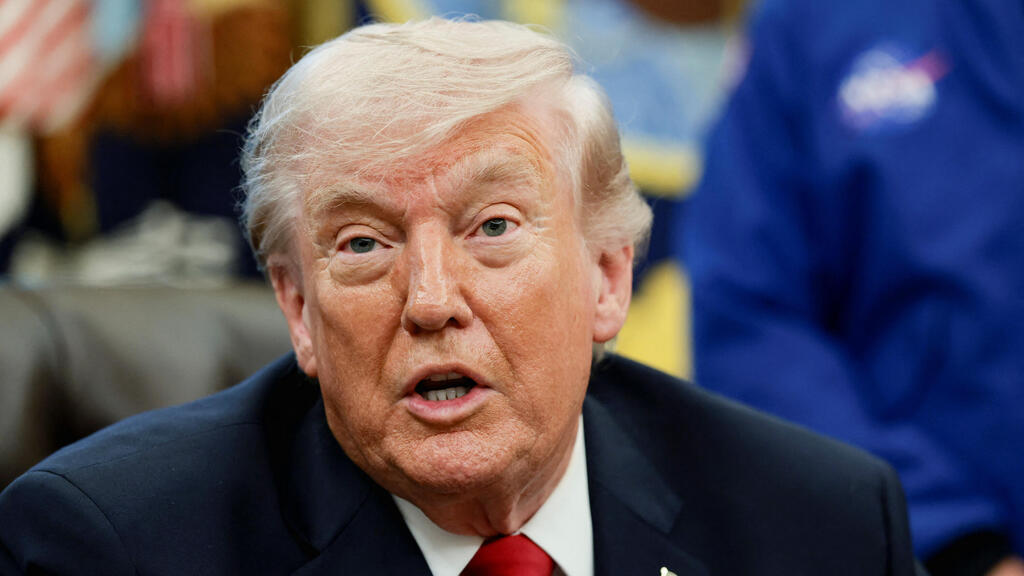
Trump told reporters that Iran needs to surrender and say, 'We give up'
(Photo: Evelyn Hockstein/Reuters)
Trump told reporters at the White House on Wednesday that Iran needs to surrender and say, “We give up,” because of the naval blockade imposed by the U.S. on Iranian ports, but he did not say whether further bombing would be necessary. He added that there would be no deal between the sides unless Tehran gives up nuclear weapons. “We’re having talks now. The negotiations are by phone, instead of flying 18 hours each time. Iran has come a long way, but the question is whether it will go far enough,” he said.
Trump spoke at the White House after talks with Prime Minister Benjamin Netanyahu and Russian President Vladimir Putin. After the conversation between Netanyahu and Trump, officials in Israel assessed that the president wants to continue the naval blockade of Iran and believes it will lead to Tehran’s surrender. Speaking at the White House, Trump praised the idea: “The blockade is genius. It is 100% airtight, and it shows how good our navy is. Militarily, we wiped out Iran. They have no army left, the navy is at the bottom of the sea, and the air force will never fly again.”
On Wednesday night, it was reported that the president had also held a discussion with senior U.S. oil company executives about a blockade lasting months. Alongside that assessment, Trump ordered the military to prepare for a significant military strike if the blockade fails — and Israel is accordingly preparing for several scenarios.
While the U.S. prepares for possible military action, The Washington Post reported that one of the three aircraft carriers brought to the region will leave the Middle East and return to the U.S. in the coming days. The Gerald Ford, carrying 4,500 troops, will return to the U.S. after 10 months deployed in several regions. The Lincoln and Bush aircraft carriers will remain in the Middle East, operating in the Arabian Sea, among other things, to enforce the blockade.
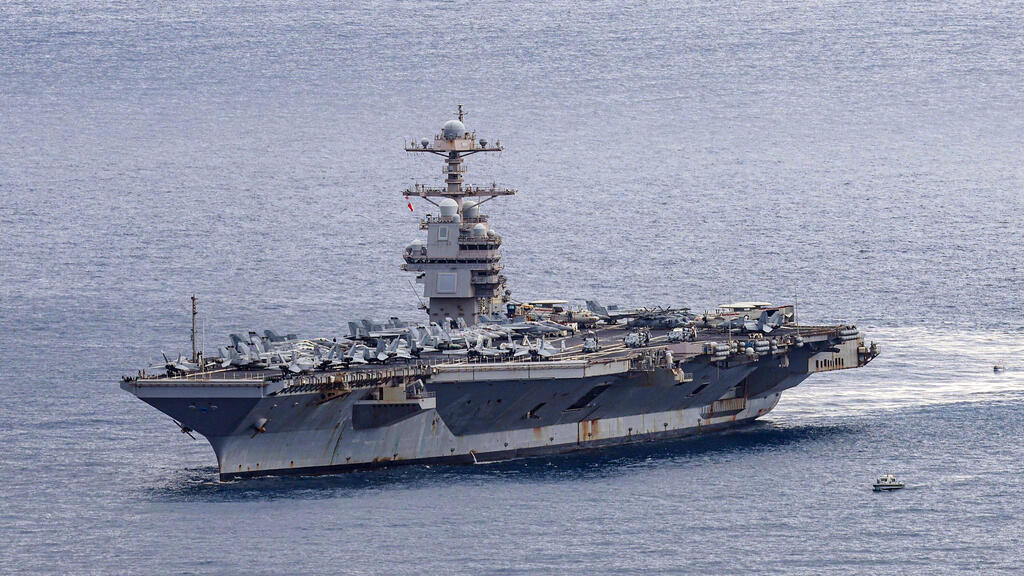
The Gerald Ford aircraft carrier
(Photo: METAXAKIS / AFP)
In Iran, officials indicated Wednesday night that Tehran would not agree to discuss the nuclear issue or ending enrichment, despite Trump’s demand. Iranian parliament deputy speaker Haji Babaei said: “We are not negotiating, but demanding our rights.” As long as the Americans insist on their ambitions and continue the blockade, he said, there are no negotiations.
Iranian Oil Minister Mohsen Paknejad claimed the U.S. would gain nothing from the blockade. “Oil sector workers are working day and night to ensure there is no disruption in services. There are no concerns regarding the supply and distribution of fuel,” he said.
Earlier, Iranian state television quoted a senior security source in the Islamic Republic threatening “unprecedented military action” if the U.S. continues seizing Iran-linked ships at sea.
Meanwhile, The Wall Street Journal reported overnight that the U.S. is asking other countries to join a new international coalition that would allow ships to sail through the waterway. According to the report, based on an internal State Department cable sent to U.S. embassies, the proposed coalition is called the “Maritime Freedom Framework,” and is intended to share information, coordinate diplomatically and assist in sanctions enforcement.
“Your participation will strengthen our collective ability to restore freedom of navigation and protect the global economy,” the cable sent to U.S. embassies around the world said. “Collective action is essential to demonstrate unified resolve and impose significant costs on Iran’s obstruction of passage through the strait.”
First published: 06:30, 04.30.26