

Expectations that oil prices would plunge after the war ended, or at least amid the relative calm now prevailing between the United States and Iran, have proven wrong. Brent crude is currently trading at around $119 a barrel, while WTI crude is around $106. Both are up about 7%.
The increase comes after reports that a White House official said U.S. President Donald Trump and representatives of oil companies discussed imposing a months-long blockade on Iran, if necessary. Meanwhile, Iranian state television quoted a senior security source in the Islamic Republic threatening “unprecedented military action” if the United States continues seizing ships linked to Iran at sea.
In an interview with Axios, Trump said Thursday that “the naval blockade, to some extent, is more effective than the bombings. They are choking — like a fattened pig. And it is going to get worse for them. They cannot have nuclear weapons.” He added that Iran’s oil reserves and pipelines “are going to blow up soon,” and that Tehran cannot export oil because of the blockade.
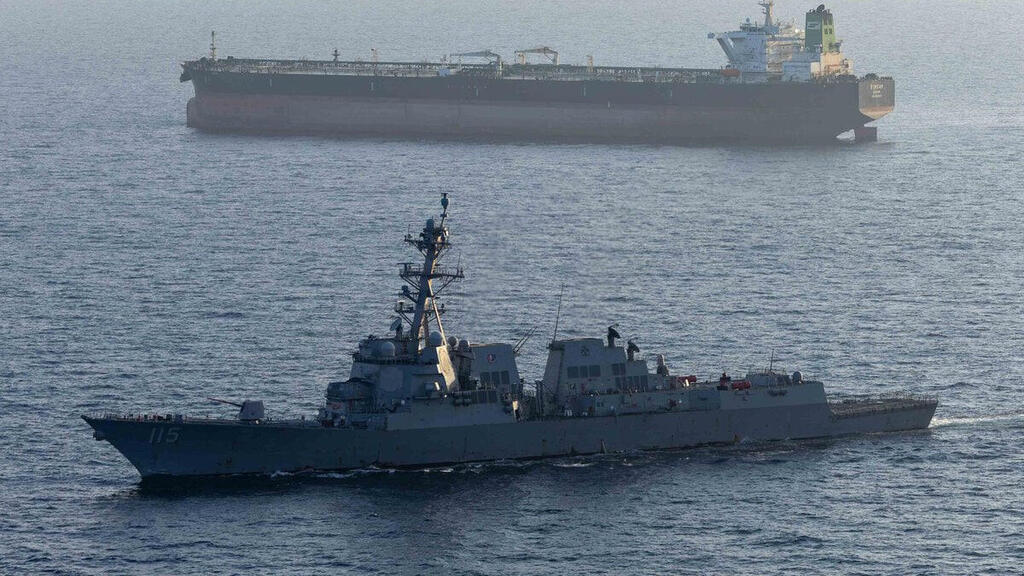
USS Rafael Peralta patrols as part of the US naval blockade of Iran
(Photo: CENTCOM)
CNN published data showing a significant drop in commercial traffic through the Strait of Hormuz. According to the report, instead of thousands of cargo ships carrying oil and other goods during the month of fighting in March, only 154 vessels passed through the strait. The network said the discussion in Trump’s office, where the possibility of imposing a prolonged blockade on Iranian ports was raised, was broader and dealt with rising global oil prices. Officials said the possibility of exporting oil from Venezuela was also discussed.
The surge in oil prices also comes amid the United Arab Emirates’ dramatic withdrawal from OPEC. As reported, the UAE announced Wednesday that it was leaving, a move that deals a severe blow to the oil exporters’ organization and to the battle over its leadership by Saudi Arabia. The announcement comes at a highly sensitive time, against the backdrop of the Middle East confrontation that caused a historic energy shock and undermined global economic stability.
The dramatic loss of the UAE, a longtime OPEC member, is expected to embarrass and weaken the organization, which has tried over the years to maintain a united front despite internal disagreements over a range of issues, from geopolitics to production quotas.