


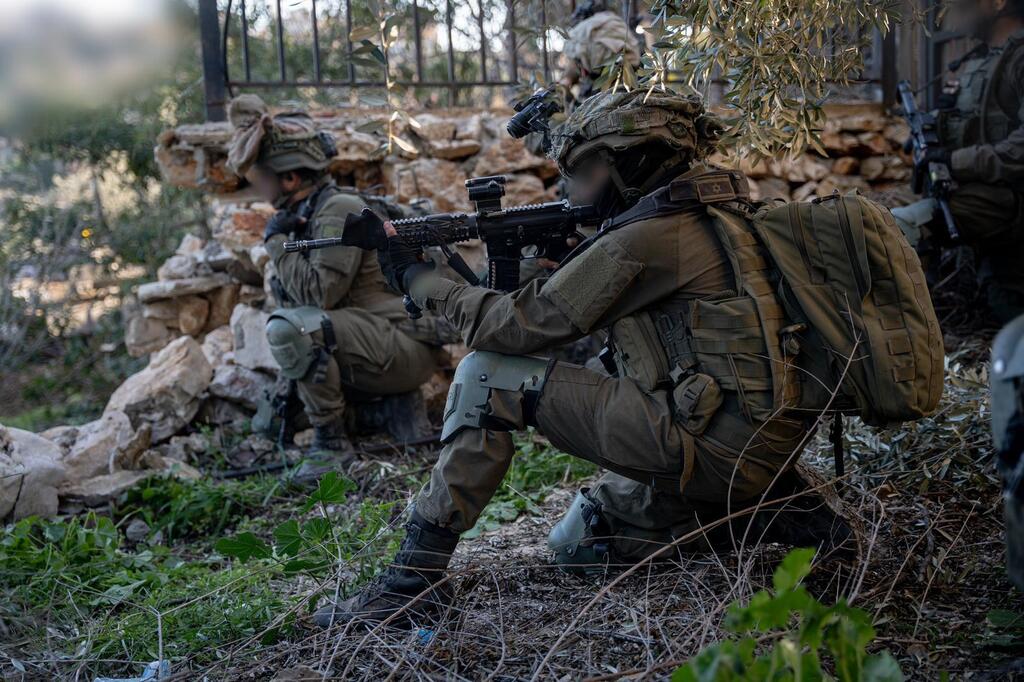
The IDF is reinforcing forces along the border with Lebanon and at strategic positions deeper inside Lebanese territory as it prepares for the possibility of expanding operations in southern Lebanon, according to the military.
The IDF said troops from the Golani Brigade have completed their deployment to the northern sector after roughly five months of operations in the Gaza Strip. In recent days, the brigade carried out a series of exercises simulating combat in Lebanon, including live-fire drills and training in mountainous and complex terrain.
IDF forces in southern Lebanon
(Video: IDF)


Golani forces are expected to be joined by units from the Nahal Brigade and paratroopers as the military seeks to deepen its operational control in southern Lebanon. Forces are currently positioned about 7 to 9 kilometers (4 to 5.5 miles) inside Lebanese territory, and the area of control could expand.
At the start of the war on the northern front, the IDF chief of staff placed responsibility for managing the fighting under Northern Command, which has been receiving support from military intelligence and the air force as part of the broader confrontation with Iran.
Despite the reinforcements, military officials say the current approach is to maintain a forward defensive line inside Lebanese territory rather than launch a deeper, large-scale ground maneuver. The discussion comes as some voices in Israel have called for establishing a “sterile zone” in southern Lebanon where residents would not be allowed to return, with the aim of preventing future threats from Hezbollah.
Hezbollah is also preparing for the possibility that IDF operations will deepen. The military says it has identified dozens to hundreds of Hezbollah operatives moving south toward the border area.
According to the IDF, forces on the northern front are focused on countering three primary threats.
The first is the possibility of cross-border raids by Hezbollah’s Radwan force into communities along the border. The military considers this the most serious threat, although officials say the likelihood of a large-scale infiltration has declined following Operation Northern Arrows, launched in September 2024.
The second threat is direct fire on border communities. According to the IDF, anti-tank missiles launched by Hezbollah recently have been directed at IDF forces positioned along the forward line rather than at civilian towns.
The third threat is continued launches of rockets, missiles and drones toward northern Israel.
To address those threats, the IDF has established forward positions inside Lebanese territory and is also carrying out targeted raids based on intelligence deeper inside the area.
Military officials say Hezbollah is currently in a weakened position and facing severe financial difficulties. According to those officials, the group’s situation is closely tied to developments in Iran, and damage to Iran is expected to have a direct impact on Hezbollah’s capabilities.
Another issue under discussion is whether to target Lebanese state infrastructure. On Thursday, the IDF struck the Azzariyeh Bridge over the Litani River, which the military said was being used as a key crossing point for Hezbollah.
Defense Minister Israel Katz said after the strike that “this is only the beginning” and suggested additional infrastructure could be targeted. However, security officials currently assess that striking Lebanese infrastructure would not significantly improve the campaign against Hezbollah.

(Photo: Jalaa MAREY / AFP)
The Lebanese government has issued several statements criticizing Hezbollah’s actions and saying it is working to limit the group’s activity. Israeli officials, however, say they have not yet seen meaningful steps from Beirut, and the option of additional strikes on infrastructure remains under consideration if that changes.
Developments in the coming days are expected to shape the situation along the northern front, amid diplomatic efforts led by the United States and France.
Officials in Washington and Paris are working to arrange direct meetings between representatives of Israel and the Lebanese government in an effort to reach a ceasefire agreement and understandings under which the Lebanese state would be responsible for disarming Hezbollah.
The aim of the talks is to halt the escalation and prevent a large-scale ground operation in southern Lebanon. Israeli officials say, however, that preparations to expand operations in Lebanon will continue regardless of diplomatic contacts.
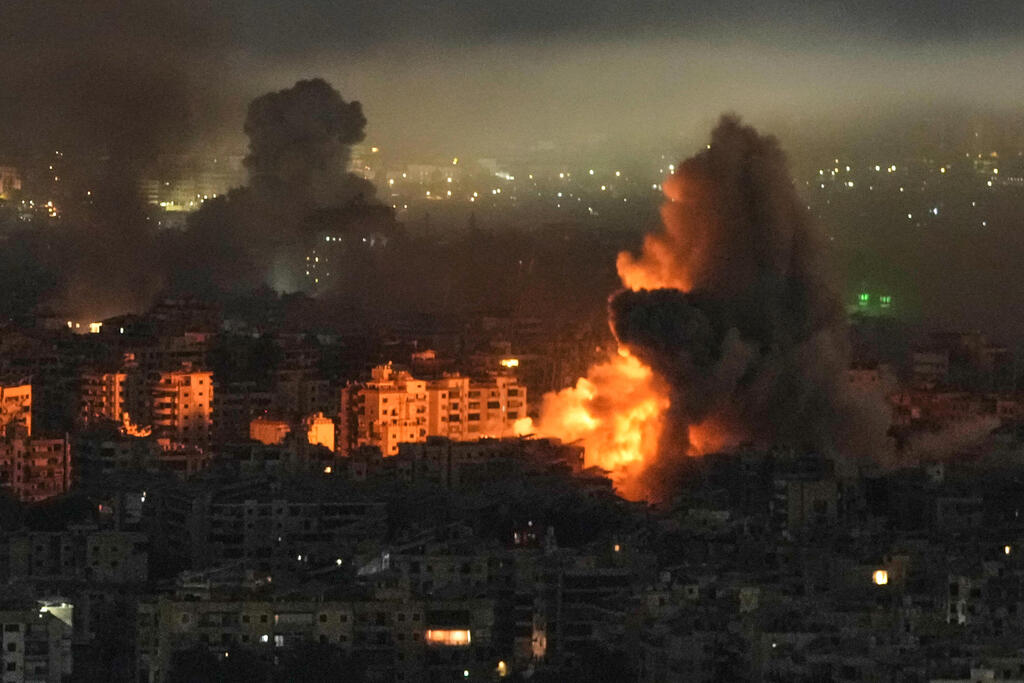
(Photo: Bilal Hussein/AP)
Leading the diplomatic effort on the U.S. side is Jared Kushner, President Donald Trump’s son-in-law. Israel has not yet formally accepted the invitation for talks, though officials say the direction appears positive.
Prime Minister Benjamin Netanyahu has asked former minister Ron Dermer to coordinate work on the Lebanese file. If talks take place, Dermer is expected to represent Israel.
A source familiar with the discussions said it is difficult to see diplomatic talks alone preventing a wider ground operation.
“It’s hard to believe negotiations with the Lebanese government will stop this,” the source said. “At the same time, there is a chance for a dramatic change with Lebanon’s government, which also wants Hezbollah to be disarmed. Israel is entering a long and complex campaign against Hezbollah.”