

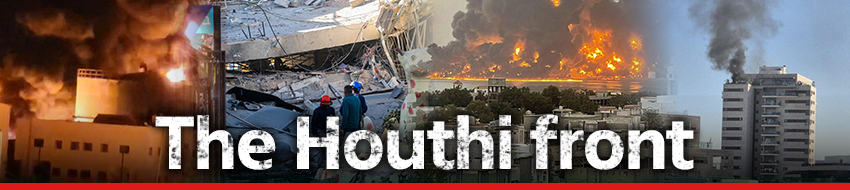

In the wake of the Gaza ceasefire and mounting challenges within its regional alliance, Iran is moving to strengthen its grip over Yemen’s Houthi rebels, seeking to fill a strategic void left by recent losses in Lebanon and Syria.
According to a Thursday report by the Yemeni opposition site Defense Line, the Houthi leadership is currently mired in internal crisis and strategic uncertainty. Adnan al-Jabrani, the article's author, describes the movement as struggling to navigate a new regional reality, marked by Tehran's recent attempts to de-escalate tensions with the Gulf—especially with Saudi Arabia. This shift, the report notes, is at odds with the Houthis’ longstanding desire to project military power and threaten regional actors.
Gallery
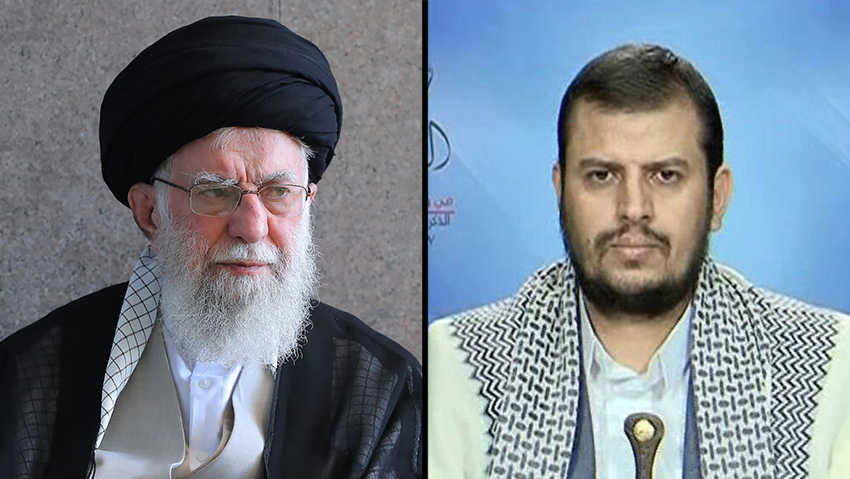
Iran's Supreme Leader Ali Khamenei and Houthi leader Abdul-Malik al-Houthi
(Photos: Iranian Leader's Press Office - Handout/Getty Images )
The article further asserts that Houthi leader Abdul-Malik al-Houthi is feeling the effects of recent geopolitical shifts, particularly following the assassination of Hezbollah Secretary-General Hassan Nasrallah—believed to be a key foreign policy architect for both Hezbollah and the Houthis. Without Nasrallah, al-Houthi is said to have lost a crucial strategic mentor, and the Iranian Revolutionary Guard Corps (IRGC) and Hezbollah operatives advising the Houthis are reportedly struggling to fill the vacuum.
Adding to the instability, the IRGC was reportedly forced to redeploy a key Iranian figure, Abd al-Reza Shahlai, back to Sanaa to oversee strategic planning. Shahlai—once the subject of a $15 million U.S. bounty—was sent back to Yemen after previously being recalled to Iran. According to Defense Line, the Houthis have faced growing internal dissent, weakening public support, and disorientation among their leadership. The current Hezbollah chief, Naim Qassem, is viewed as lacking the charisma and strategic prowess to effectively replace Nasrallah.
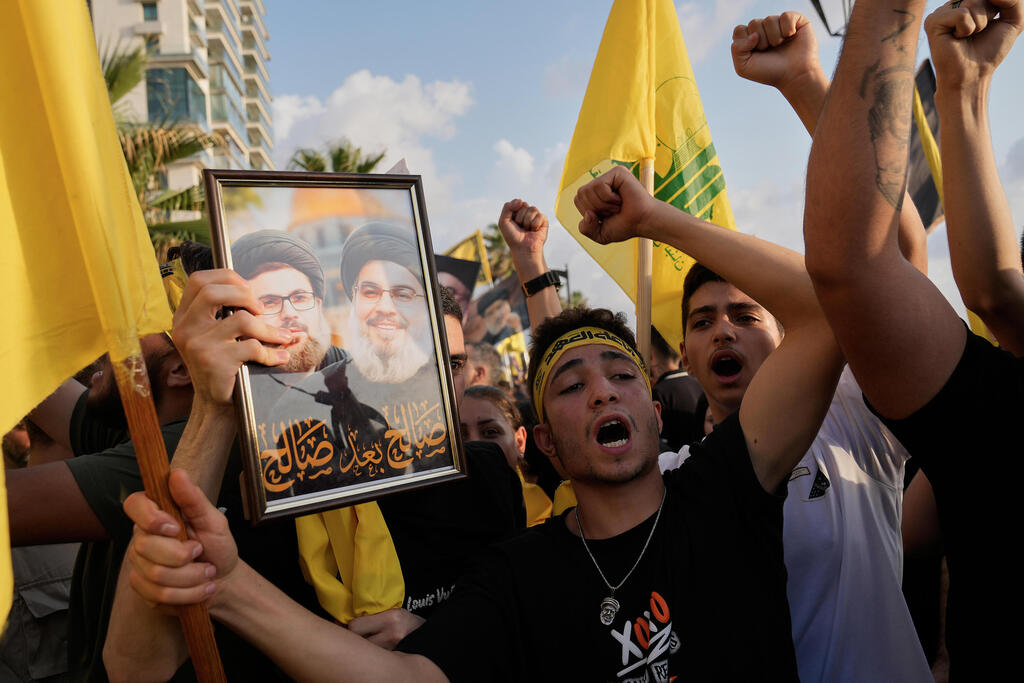
Hezbollah supporters during an event marking the anniversary of the assassination of Hezbollah leader Hassan Nasrallah in Beirut
(Photo: Hussein Malla/AFP)
A separate report published Friday in the Saudi newspaper Asharq Al-Awsat quoted senior Yemeni political sources who claim that Iran is increasing military and security support to the Houthis in a bid to compensate for its strategic setbacks elsewhere. Tehran reportedly aims to reassert direct control over the group’s military and intelligence apparatus, with Shahlai playing a key role in reorganizing Houthi power centers and reestablishing Iran’s influence.
Sources told Asharq Al-Awsat that recent Israeli airstrikes exposed major security vulnerabilities within the Houthi organization, further eroding its image among both its supporters and the broader Yemeni public.
According to Defense Line, Tehran’s re-engagement with the Houthis could signal a strategic pivot, potentially shifting the center of gravity for Iran’s regional axis southward to the Arabian Peninsula. The Houthis, the article claims, are currently preparing for a potential military confrontation with Israel on one of three fronts: responding to a possible Israeli offensive in Lebanon; preparing for direct Israeli attacks on Yemen; or intervening if the Gaza agreement collapses or stalls.
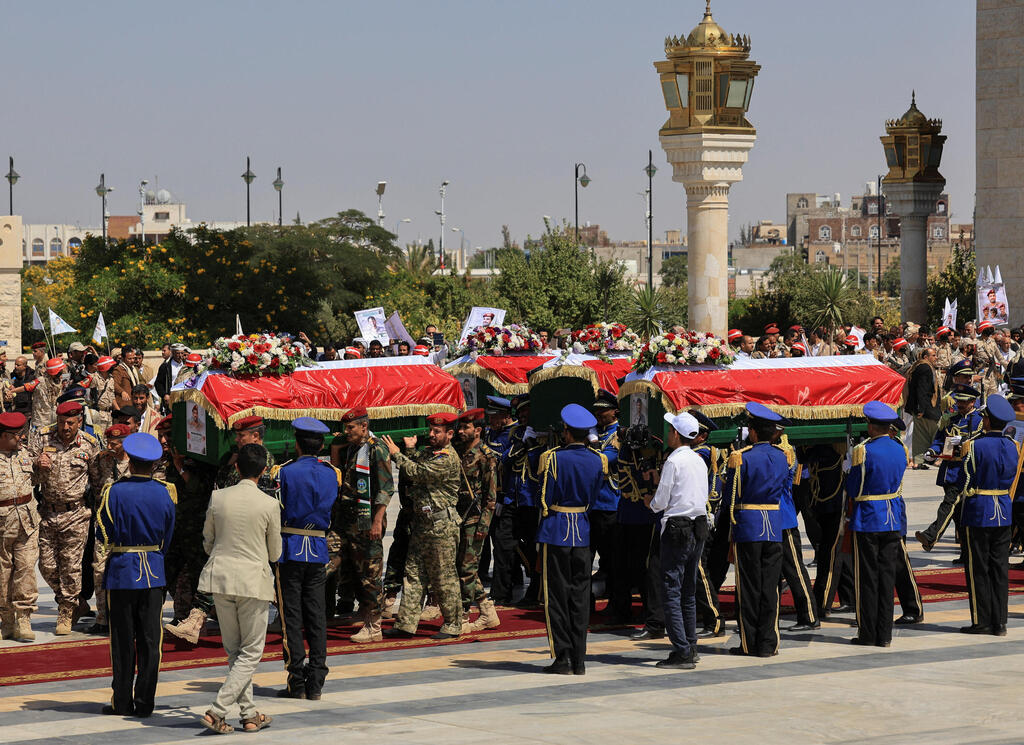
Funeral of Houthi Chief of Staff, Muhammad al-Ghammari
(Photo: Khaled Abdullah/Reuters)
In the aftermath of the Gaza ceasefire, Houthi rhetoric has also turned sharply against Saudi Arabia. A recent Al-Araby Al-Jadeed report noted a rise in threats from the Houthis to resume military operations against the kingdom. Analysts suggest that, with Gaza quiet and Houthi involvement there waning, the group is now casting around for its next battleground, and struggling with the realities of diminished regional support.
As Iran maneuvers to shore up its influence in Yemen, the Houthis find themselves increasingly isolated, politically fragmented, and under pressure both internally and externally—making Yemen a new focal point in the broader geopolitical contest shaping the Middle East.