



The IDF is aware of public voices suggesting the army is stagnating in Gaza during Operation Gideon’s Chariots, but commanders stress that, over the past month, troops have continued dismantling Hamas infrastructure and pursuing efforts to recover as many hostages as possible. A senior officer in Southern Command noted—amid U.S. pressure for a deal or to deepen the operation—“It would be a mistake to stop now.”
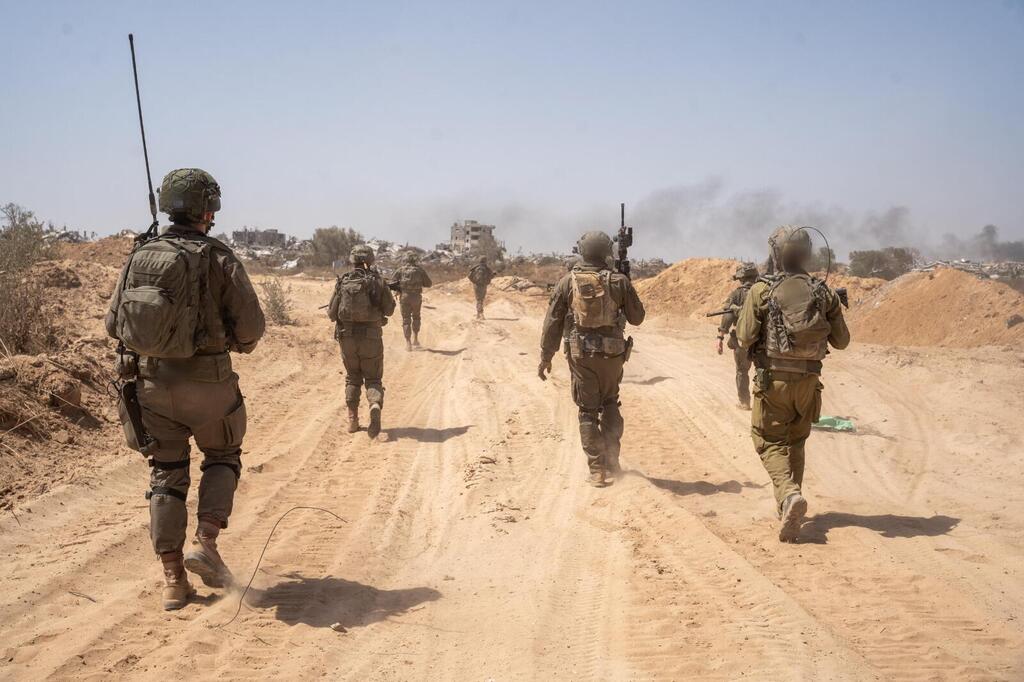
The military emphasized that fighting has intensified, evident in the elimination of senior Hamas operatives, destruction of its terror infrastructure, and the recent recovery of the bodies of three hostages returned to Israel for burial.
The defense establishment is also focusing heavily on separating Hamas from the broader Gazan population. The current humanitarian aid mechanism is seen as a means to weaken Hamas and improve prospects for recovering more hostages.
Under the aid distribution framework—operated by the American NGO GHF in coordination with international aid groups—IDF allows independent civilian operations and remains nearby to prevent Hamas from intercepting supplies. As part of this security effort, IDF conducts ongoing reviews to improve its performance, reduce friction with civilians, and ensure aid reaches its intended recipients.
Recently, Israeli forces restructured access routes and aid zones—adding fences, boundaries, warning signs, new access roads, vehicle barriers, and redesigned layouts to allow visibility of remaining aid packages from outside the compounds.
Based on lessons learned, the military has decided to temporarily close the original aid zone near Tel al-Sultan in Rafah and open a new site nearby, designed to reduce civilian friction and improve troop safety. These measures are meant to ensure smooth and secure passage for residents, orderly distribution of aid, and uninterrupted operational activity.
Aid distribution in southern Gaza


These steps come in response to allegations that Israeli troops have fired at Palestinians in aid zones—claims officials say are inaccurate. While acknowledging a few incidents involving harm to uninvolved civilians, IDF insists the casualty numbers are exaggerated and that investigations are conducted after every case.
In some instances, artillery fire was initially used to deter and warn approaching civilians. In a few isolated cases, three to four people were injured; in one incident, around 30 casualties were reported, including fatalities. Each event is fully investigated, and findings are reviewed.
As a result, the military has ceased using artillery fire near aid areas. Officials stress that reports of mass casualties are untrue and largely fueled by Hamas propaganda. According to a senior security official, Hamas is inflating the numbers by including unrelated fatalities in an effort to portray the aid zones as death traps. “It’s propaganda,” he said.
The goal of the aid project is to break Hamas’ grip on the population and show civilians they can survive without the terror group. Security officials report progress over the past month, with the aid distribution system playing a key role. Four aid centers have been opened so far, distributing over 50 million food packages. Flour prices are currently the lowest since the war began.
Get the Ynetnews app on your smartphone: Google Play: https://bit.ly/4eJ37pE | Apple App Store: https://bit.ly/3ZL7iNv
Hamas strongly opposes this system and has threatened civilians. Roughly a week ago, it hijacked a bus carrying Palestinian workers from the aid organization—killing some and injuring others before dumping them outside hospitals. IDF recognizes that crowd control issues persist, and that large gatherings sometimes endanger soldiers in the area. Measures like additional signage and clearer messaging about aid site locations and opening hours are being implemented.
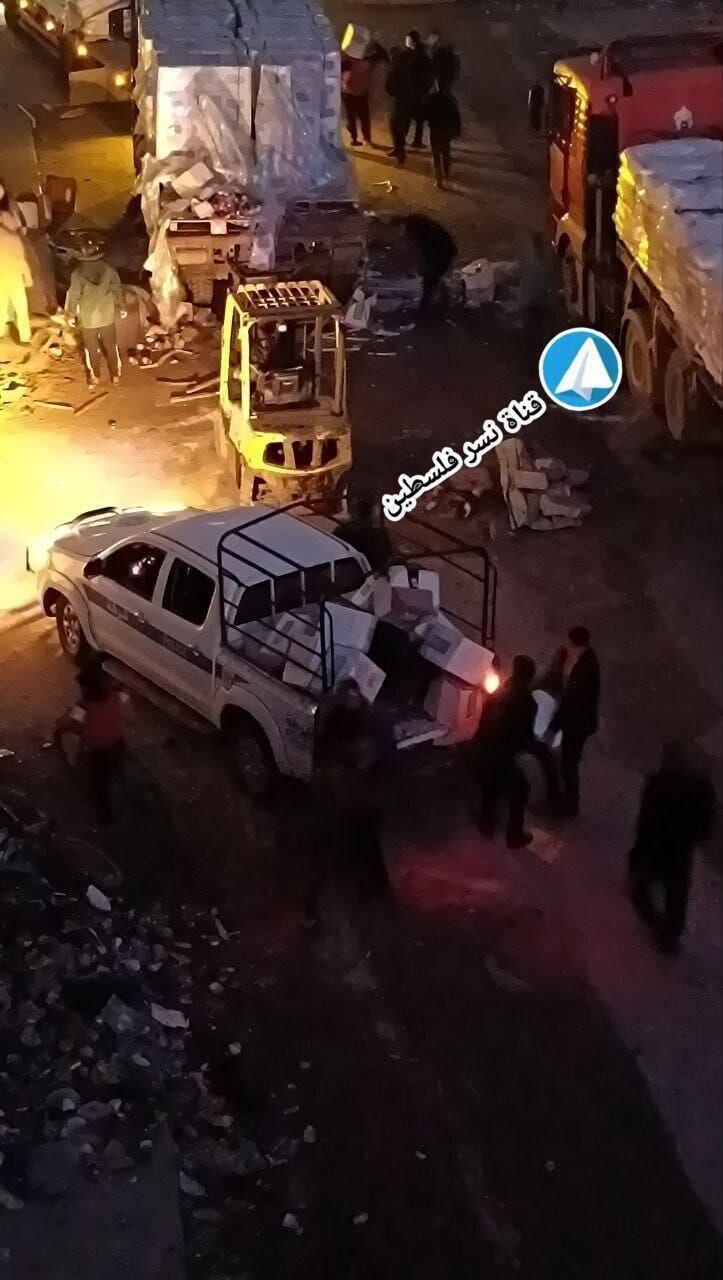
Hamas looting aid
Security officials have also observed Hamas personnel collecting aid packages for their families, and there are ongoing concerns the group may attempt attacks at distribution sites to sabotage the effort.
Israel is also aware of looting incidents in northern Gaza—carried out by gangs, clans, and Hamas itself. Currently, little can be done. The government has instructed that aid continue to prevent famine in Gaza. Fuel is entering the Strip, mostly for hospitals, but officials acknowledge that some of it likely ends up in Hamas’ hands.