


For the first time since the 1970s, the IDF has reactivated long-abandoned fortified positions along its border with Jordan, part of a new defense effort aimed at preventing potential mass infiltration by terrorists from the east.
The old bunkers, once shelled frequently by Jordanian forces during periods of hostility, sit just above the dense vegetation of the Jordan River. Left to decay over the decades, one even became a roost for bats, they are now being refurbished as part of a broader network of defenses, including company-level supply depots and massive new earthen berms.
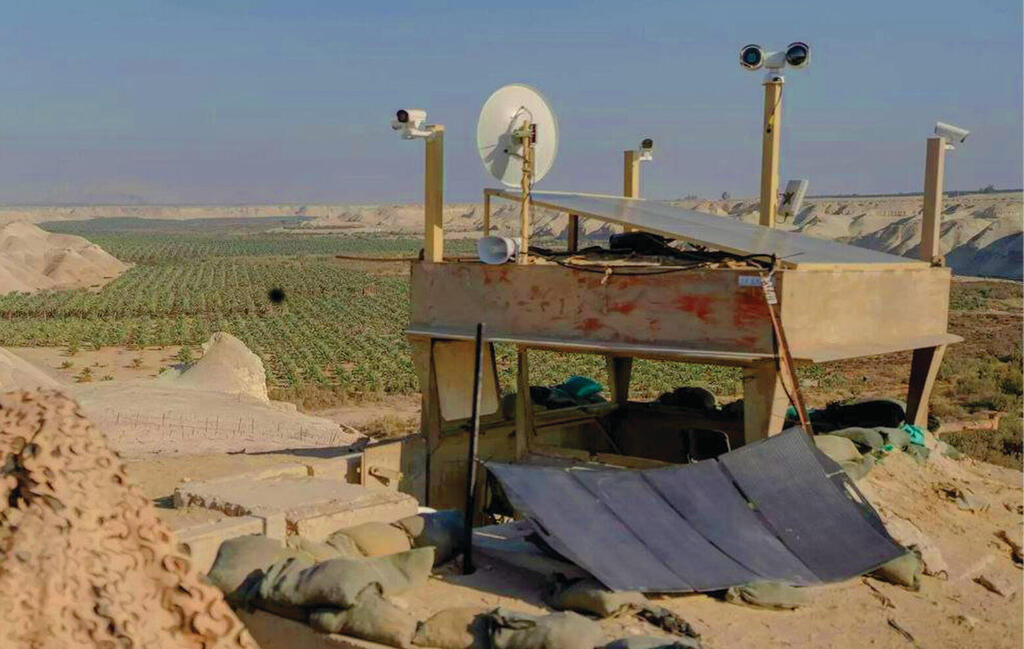
About 80 kilometers (50 miles) of the approximately 400-kilometer (250-mile) border are now being upgraded for the first time, with new physical barriers and surveillance systems.
Central Command, which oversees the West Bank and Jordan Valley, is preparing for what it calls a “war tomorrow” scenario. With much of Israel’s recent fighting concentrated in Gaza and on the northern border with Lebanon, the Jordan Valley and West Bank remain the only major sectors not drawn into combat since Hamas’ Oct. 7 attack sparked war in 2023.
A growing threat from the east
According to a leading IDF scenario, thousands of terrorists, made up of pro-Iranian militias, Palestinian operatives based in Jordan and even Iran-backed Houthi fighters traveling through the region, could attempt to storm the border to carry out mass attacks, in coordination with terrorist activity inside the West Bank.
To counter this possibility, the IDF during the war established a new reserve division, the 96th Division, made up largely of volunteer fighters aged 40 to 60. But the pace of recruitment has been slow, and the unit remains far from full operational capacity.
Military planners hope to significantly staff the division’s battalions by the end of the year. Units are being designated as rapid-response “lightning brigades” tasked with deploying directly from home to any outbreak of fighting along the border, wearing full gear.
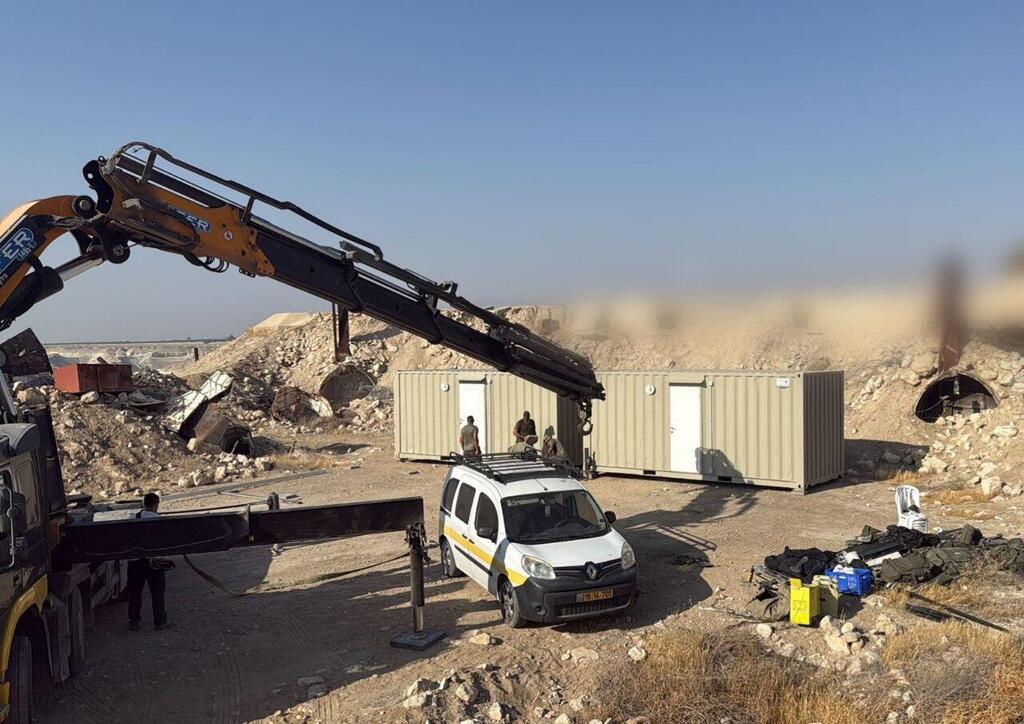
Fortified positions dating back to the 1967 Six-Day War are being reactivated along the Jordanian border as part of new Israeli defense measures
(Photo: IDF)
On the ground, much of the Jordanian border remains porous. Central Command is gradually taking over more segments of the border and plans to establish a new control center to oversee the area, similar to a regional battalion headquarters. The goal is for the entire eastern border, including the Jordan Valley, to fall under Central Command’s jurisdiction.
Historically, the Jordan border has been viewed as a quiet sector, often neglected in favor of the volatile Gaza front and Israel’s 220-kilometer (137-mile) smuggling-prone border with Egypt. Military officials now say it should be treated as a strategic front line.
Despite the effort, only about 20% of the border barrier is being upgraded under a billion-shekel (roughly $320 million) initiative. The IDF says the key need is the deployment of advanced surveillance systems, including radar towers and high-resolution tracking cameras, to detect infiltration attempts.
The number of battalions assigned to the Jordan border region is low compared to other sectors. Some long stretches of the border, especially near the Dead Sea and the West Bank, are patrolled by small reserve companies, including Home Front Command units. In 2023, a rare attack near Neot HaKikar, a town on the southern Dead Sea, saw two armed terrorists from Jordan, disguised as Israeli soldiers, attempt to infiltrate and carry out a terror attack.
Smuggling, terrorism and drone threats
The collaboration between Central Command and three corresponding regional commands of the Jordanian military has grown stronger in recent years. The U.S., which provides significant financial and military assistance to Jordan, also supports this effort as part of a shared interest in keeping the Israeli-Jordanian border secure.
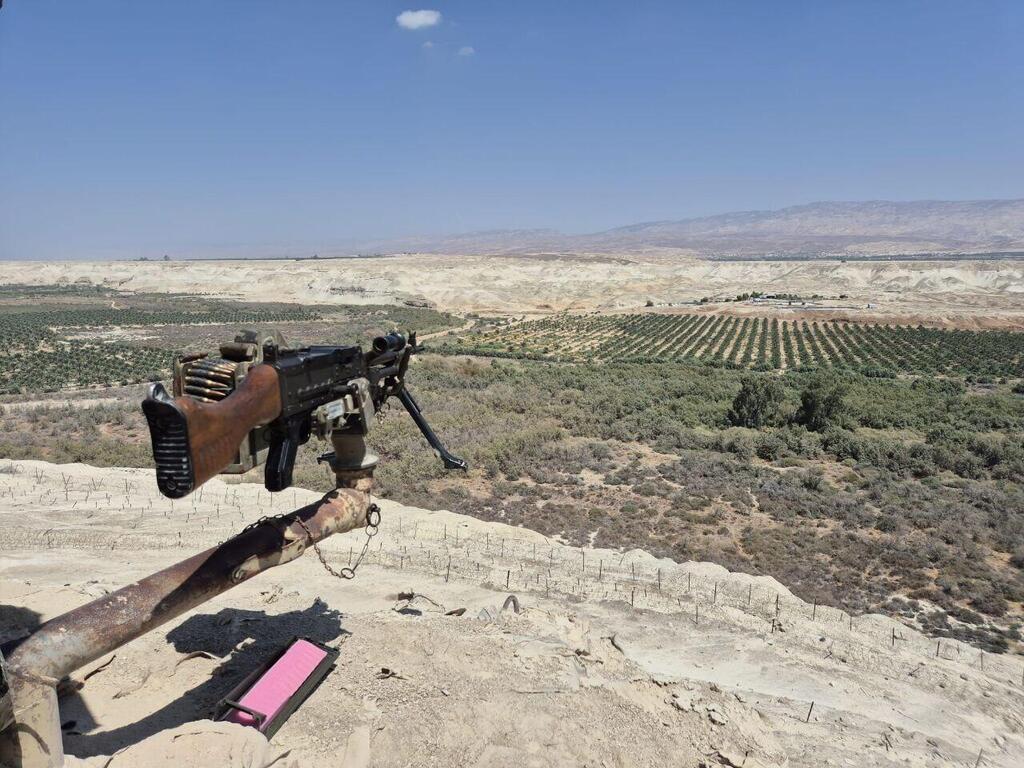
Fortified positions dating back to the 1967 Six-Day War are being reactivated along the Jordanian border as part of new Israeli defense measures
(Photo: IDF)
Yet Israeli officials warn that increasingly active criminal smuggling routes across the border are creating opportunities for terrorist groups to exploit the area as a potential “soft underbelly” of Israel’s defenses. Despite the natural terrain advantages, steep hills and elevated ground that provide better control and visibility, concerns over infiltration have prompted the military to restore old fortified positions on the eastern slopes of the Jordan Valley. These positions were last used decades ago, during the era of cross-border “fedayeen” raids in the 1960s and 70s.
According to the military, nearby IDF bases are also being reshaped to resemble fortified outposts rather than lightly defended camps, unlike bases such as Nahal Oz, which was overrun by Hamas during the October 7 attack.
At the Kfir Brigade’s training base in the northern Jordan Valley, new recruits are now trained not only in military discipline and basic urban warfare but also in immediate response to possible infiltration scenarios from the nearby border. The same applies to ultra-Orthodox soldiers training at the Tevetz base, home to the Hasmonean Battalion.
This year, Central Command plans to reinforce the Jordan Valley Brigade with two new “Jaguar” companies equipped with large, fast, armored off-road vehicles. These will be fitted with "Katlan" systems—remotely operated machine guns mounted on the roof and controlled from within the vehicle, allowing safe and immediate return fire.
According to official IDF data for 2025, there are signs of growing concern inside Central Command, mainly over what military sources describe as a dangerous stalemate. Only seven weapons and drug smuggling attempts were thwarted in the past year, compared to just two in 2024. Meanwhile, weapons seizures jumped to 263 in 2025, up from 129 the year before. Arrests of illegal labor migrants remained unchanged, with 31 caught in both 2024 and 2025.
However, the army estimates there were 241 successful drug smuggling operations across the Jordan border in 2025, up from just seven the year before.
Still, the most concerning threats aren’t necessarily on the ground. IDF officers warn of growing drone-based smuggling, a tactic that has spread to the Jordan border after first appearing along Israel’s porous frontier with Egypt. The military admits it has little data on the scale of this emerging threat.
So far, only one confirmed drone smuggling attempt has been detected on the Jordanian border—in recent months, near the Dead Sea. That incident involved a drone carrying approximately 70 handguns, all of which were intercepted and seized.