


A new report by UN Watch reveals a stark picture of double standards among United Nations human rights experts: while the regime in Tehran commits crimes against humanity, the experts remain largely silent — and consistently turn their fire on the State of Israel.
As the Islamic Republic of Iran continues its violent suppression of its citizens, a comprehensive UN Watch analysis shows that the UN Human Rights Council’s “special rapporteurs” — experts meant to serve as the world’s moral compass — have been strikingly mute in the face of Iranian abuses. The report reviews the work of 54 independent experts and finds troubling evidence of political bias and moral inconsistency.
According to the report, despite the Iranian regime’s increased pace of executions, intensified persecution of minorities (especially Baha’is), and violent repression of women, most relevant experts did not issue a single condemnation. A notable example is the Special Rapporteur on freedom of religion: while Baha’i homes were demolished and dozens of believers were arrested solely for their faith, the expert chose not to issue an official statement condemning the regime.
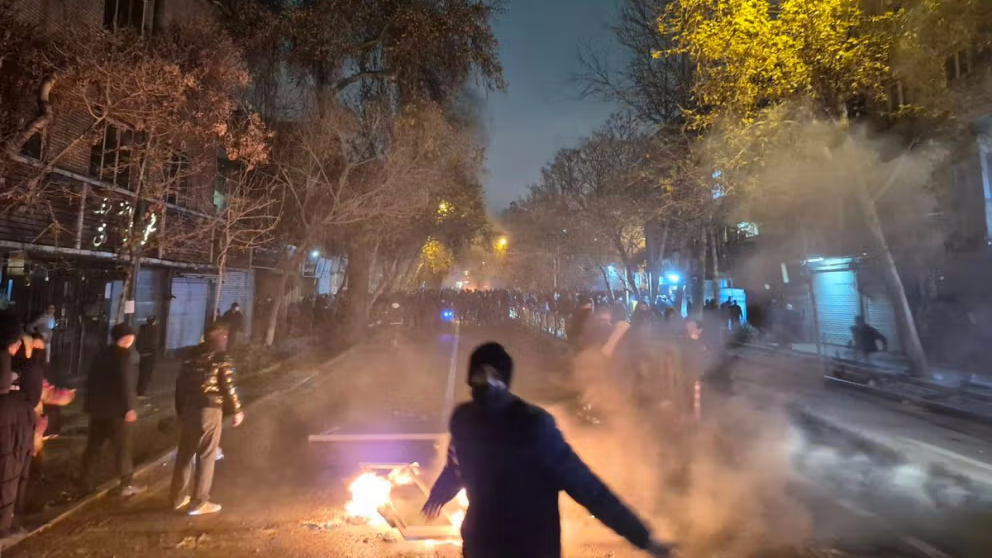
The same pattern appears with the expert on the right to life. The report notes that despite a surge in executions in Iran — many after show trials and without due process — the international response was sparse and weak.
The most incendiary finding of the report is its comparison of how Iran is treated versus Israel. The data show that experts who have never publicly condemned Tehran, even amid clear evidence of repression and killings of protesters, have been very active in issuing sharp statements against Jerusalem.
The report names specific experts who have used their mandates to regularly attack Israel with extreme language while completely ignoring human rights violations in dictatorial states. For example, while these experts sharply criticized Israel for self‑defense actions or construction in the West Bank, they avoided criticizing Iran for arming terrorism, suppressing water‑and‑bread protests, or poisoning female students in schools.
According to the report, double standards are clearly reflected in the conduct of certain experts: Francesca Albanese, the special rapporteur on the Palestinian territories, frequently attacks Israel harshly, accusing it of promoting “apartheid” and even “genocide,” while calling for a weapons embargo on the state. The report emphasizes that she consistently ignores Iran’s role in arming and financing terrorist organizations that operate against civilians.
Another example is Balakrishnan Rajagopal, the special rapporteur on the right to adequate housing, who rushed to condemn Israel over home demolitions but remained completely silent when Tehran’s security forces brutally destroyed the homes of members of the Baha’i community. Other experts, including those responsible for freedom of expression and the right to life, issued dozens of condemnations against Western democracies and Israel but never released a single statement against the mass executions or the suppression of journalists in Iran during the report’s review period.
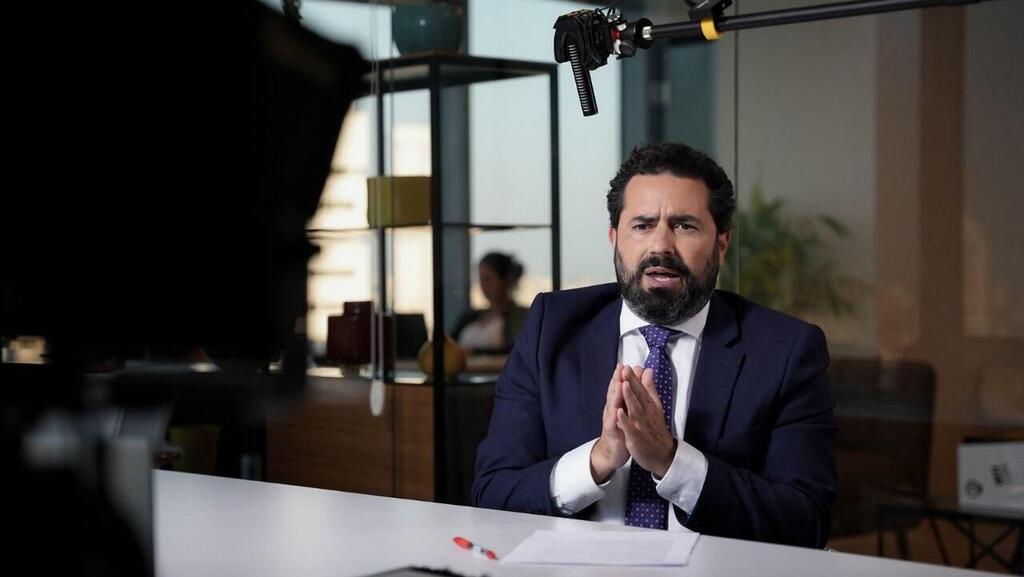
Hillel Neuer, executive director of UN Watch
(Photo: Section 27A of the Copyright Law)
Hillel Neuer, executive director of UN Watch, attacked the UN in a statement. “The data prove that many UN experts are not acting out of concern for human rights, but out of a political agenda. When they are silent toward Tehran and shout toward Jerusalem, they lose all legitimacy. Their silence is like a green light for the ayatollahs to continue hanging regime opponents from cranes,” he said.
The report concludes with a call on democratic UN member states to stop funding these biased mechanisms and to demand reform in the appointment process for special rapporteurs. “It cannot be that an expert meant to defend freedom of expression ignores the arrest of hundreds of journalists in Iran, yet finds time to condemn Israel every Monday and Thursday,” the report says.
The findings are sparking unrest in the halls of the United Nations in Geneva, with Iranian human rights activists in exile joining the criticism and saying that the experts’ indifference makes them feel their blood is forfeit in the eyes of the international community.