

Shin Bet chief David Zini is seeking authorization to question four senior Arab political figures under caution as part of an investigation into suspected foreign interference in Israel's recent parliamentary elections, i24NEWS reported Tuesday evening.
The politicians Zini wants questioned include Ra'am chairman Mansour Abbas, Ta'al leader Ahmad Tibi, Balad chairman Sami Abu Shehadeh and another senior lawmaker from an Arab party whose identity cannot be published.

Investigators are examining allegations that sources in Qatar and Turkey provided funding for campaigns intended to improperly influence public opinion and voting patterns.
According to the report, there is broad agreement among officials involved in the case that substantial evidence exists concerning the unidentified lawmaker, who is expected to be questioned under caution. However, Attorney General Gali Baharav-Miara has demanded evidence against the three other politicians before authorizing their questioning. That evidence has not yet been presented to her.
The report also described an unusual exchange during a meeting involving Zini, Baharav-Miara and Central Elections Committee chairman Justice Noam Sohlberg. Zini reportedly struggled to recall Abbas' name while requesting permission to question him, repeatedly asking what the lawmaker was called before identifying him.
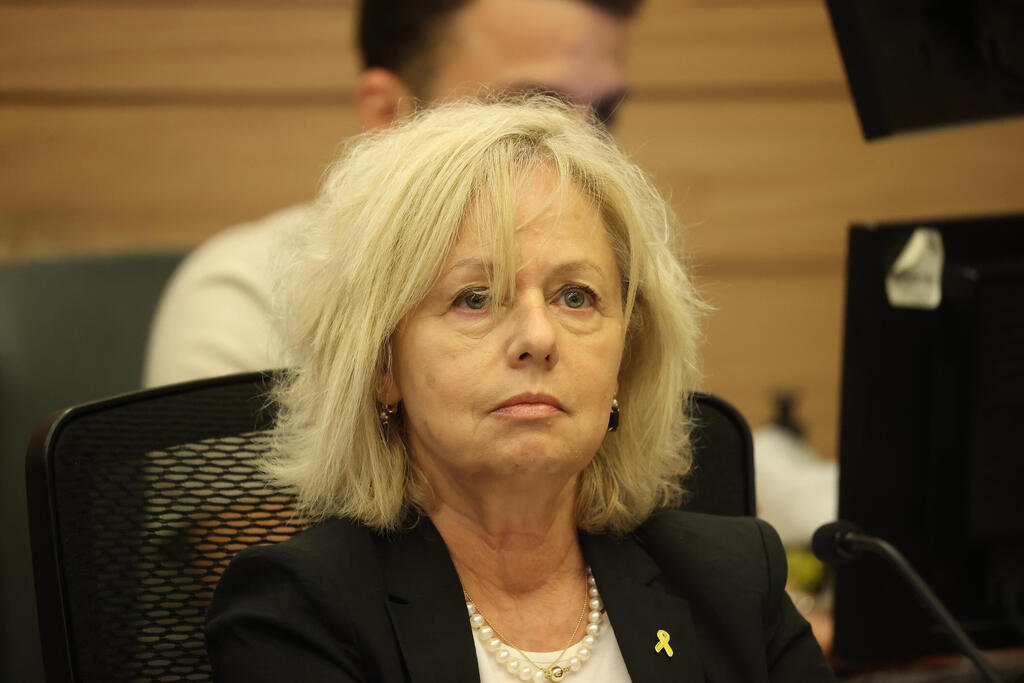
Attorney General Gali Baharav-Miara
(Photo: Amit Shaabi)
Although officials agreed two days ago to establish a joint Shin Bet and police investigative team, the security agency has reportedly yet to transfer the relevant intelligence materials to police, preventing the joint investigation from formally getting underway.
Earlier Tuesday, ynet revealed a separate dispute between Zini and the attorney general over the investigative powers available to the Shin Bet. Zini reportedly demanded that the entire affair be classified from the outset as a suspected security offense, which would allow the agency to seek the use of expanded investigative measures, including wiretapping, communications data collection and restrictions on suspects' access to legal counsel.
Baharav-Miara rejected the demand, arguing that the law does not permit such powers without evidence establishing a basis for investigating security offenses. She maintained that allegations involving election bribery could constitute ordinary criminal offenses rather than national security violations. If evidence of security offenses emerges, she said, the appropriate investigative tools could be authorized.
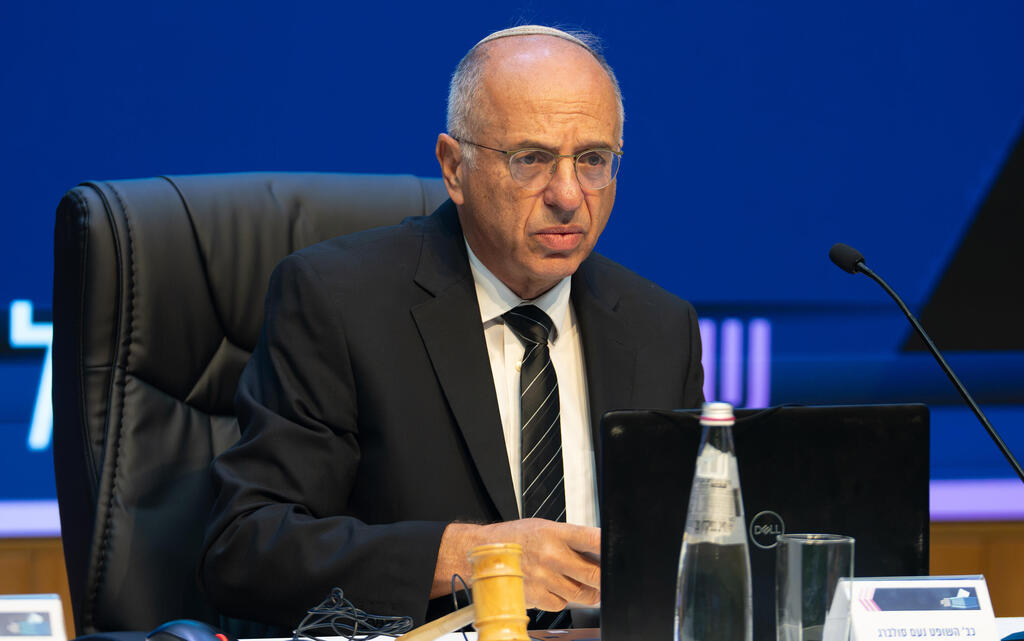
Justice Noam Sohlberg
(Photo: Central Elections Committee)
The disagreement extended to the wording of a public statement issued by Sohlberg. Zini wanted the announcement to explicitly describe the affair as involving suspected security offenses, while Baharav-Miara opposed that characterization. Sohlberg ultimately proposed compromise language stating that the allegations could have a security dimension.
In the statement, Sohlberg said serious allegations involving foreign funding intended to influence the elections required investigation, but emphasized that suspicions alone were insufficient to challenge the election results. Any such challenge, he said, would require solid evidence.
Sohlberg has separately stressed that the election results reflect the voters' will and that the investigation does not undermine the overall integrity of the electoral process.