


Amid the ceasefire, Iran has in recent weeks sharply increased efforts to seal its enriched uranium stockpile by deliberately collapsing tunnels and bombing entrances with mines, according to a CNN report Saturday citing five sources familiar with U.S. intelligence. The report said this makes reaching the hundreds of kilograms of uranium extremely difficult, dangerous and time consuming.
CNN reported that U.S. forces recently prepared an urgent ground mission to seize Iran’s uranium stockpile, but President Donald Trump blocked it. According to the report, the uranium is dispersed across several nuclear facilities in the country, mainly in Isfahan, Natanz and Fordow, and is buried deep inside tunnels.
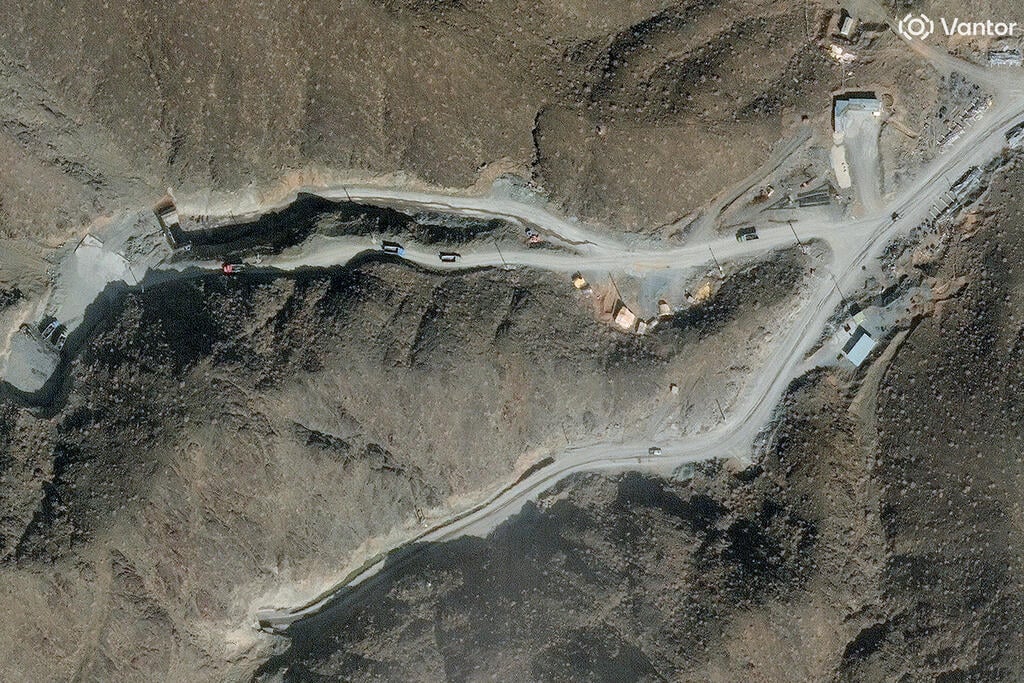
Waste removal at the entrance to the missile production base in Tabriz
(Video: AIRBUS DS 2026)


Iran’s new fortifications add another layer of complexity to the emerging agreement with Washington, which expects the uranium to be removed and destroyed. The task of extracting it has now become more dangerous and, according to some sources, even the removal of the enriched material by Iran itself would be difficult and require heavy excavation equipment and extensive mine-clearing efforts.
CNN noted that the current situation could help Iran retain control of its uranium. Under these conditions, Iran could effectively claim it is unable to access the material or that it has been destroyed, thereby keeping a significant portion of it.
The international community believes most of the uranium stockpile is located in collapsed tunnels at the nuclear site in Isfahan in central Iran. Amid reports of a possible U.S. ground operation, Iran has further reinforced the sites where its enriched uranium is stored.
Last month, new satellite images revealed suspicious activity near the secret Pickaxe mountain site in Iran. Images from Airbus Defence and Space, analyzed by the Institute for Science and International Security, showed that by April 22 two eastern tunnel entrances at the underground facility had been blocked with engineered soil designed to prevent vehicle access.
The facility is located south of the Natanz nuclear site. On April 1, the tunnel entrances were open and unobstructed. Unlike tunnel entrances at Fordow and Isfahan, analysts said the material used does not fully conceal the entrances but is enough to significantly hinder rapid vehicle access and would require heavy equipment to restore entry.
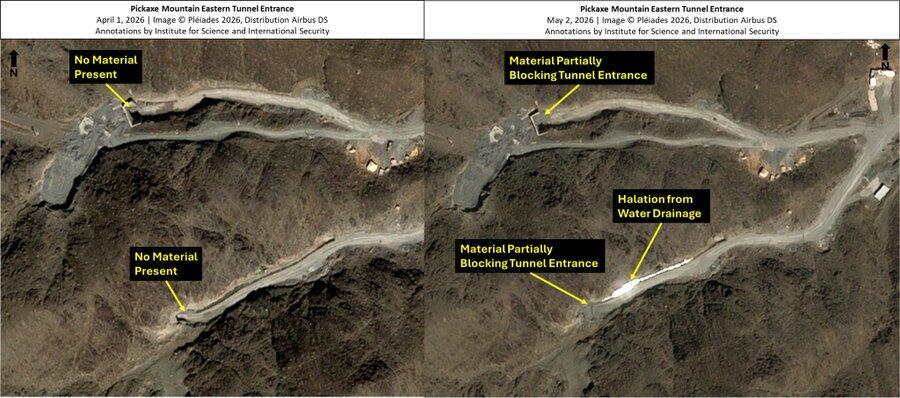
New satellite images revealed suspicious activity near the secret Pickaxe mountain site
(Photo: According to Section 27A of the Copyright Law)
“At this time, we do not yet see evidence of such blocking at the two western tunnel entrances,” the research institute said. “This activity raises significant questions, as this is a tunnel complex buried deep underground that could be used to protect valuable equipment or materials.” Earlier this year, the institute said it had identified how older tunnel entrances at the site had been buried and reinforced with concrete, suggesting that something may have been moved inside.
In addition, satellite images released about two weeks ago showed the Islamic Republic clearing multiple entrances to missile sites that had been struck. CNN analysis of Airbus Defence and Space imagery found that since the ceasefire began, Iran has cleared at least 50 access points across 18 missile facilities.
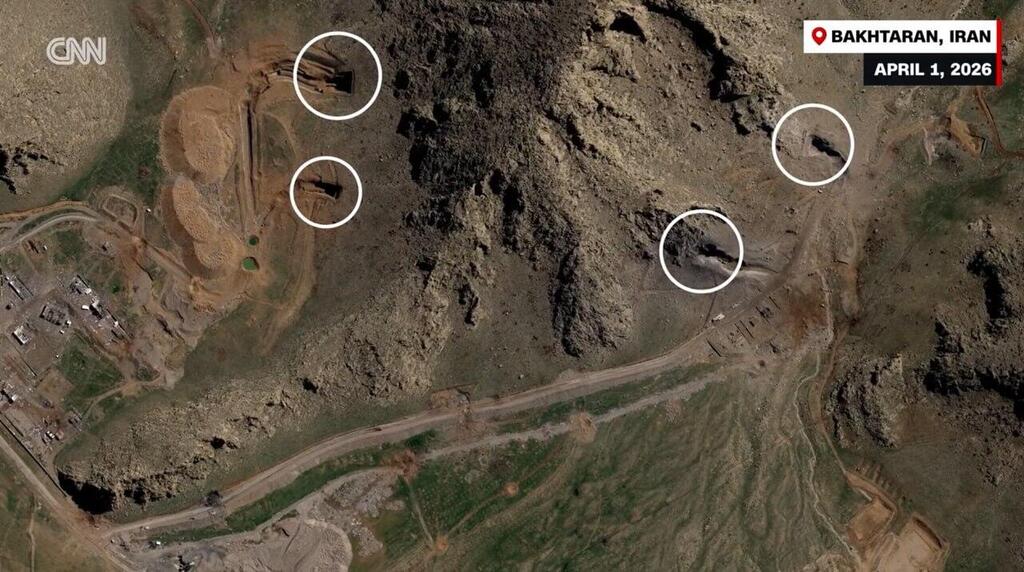
Iran is restoring its missile stockpile
(Photo: AIRBUS \ CNN)
The analysis also showed that Iran has restored access to large quantities of missiles stored in underground facilities whose entrances were previously hit. The report referenced President Trump’s claims that Iran’s missile arsenal had been almost completely destroyed, while noting that many Israeli and U.S. strikes during the war effectively trapped launchers and missiles underground by targeting access points.
Satellite images from Airbus dated April 10 showed debris removal from a blocked tunnel entrance at a missile base south of Tabriz in Iran. Another image showed similar clearance activity at a missile base in Khomeyn, where a truck was seen removing rubble from a tunnel entrance while garbage disposal trucks waited nearby.