


After Iranian missile strikes hit Dimona and Arad, the Eshkol Regional Council — which itself suffered severe damage on October 7 — found itself in an unfamiliar position in recent years: offering help.
Communities along the Gaza border are still coping with the aftermath of the Hamas attack and the extensive damage it caused. But in recent days, officials in Eshkol decided to pass forward the assistance they once received.
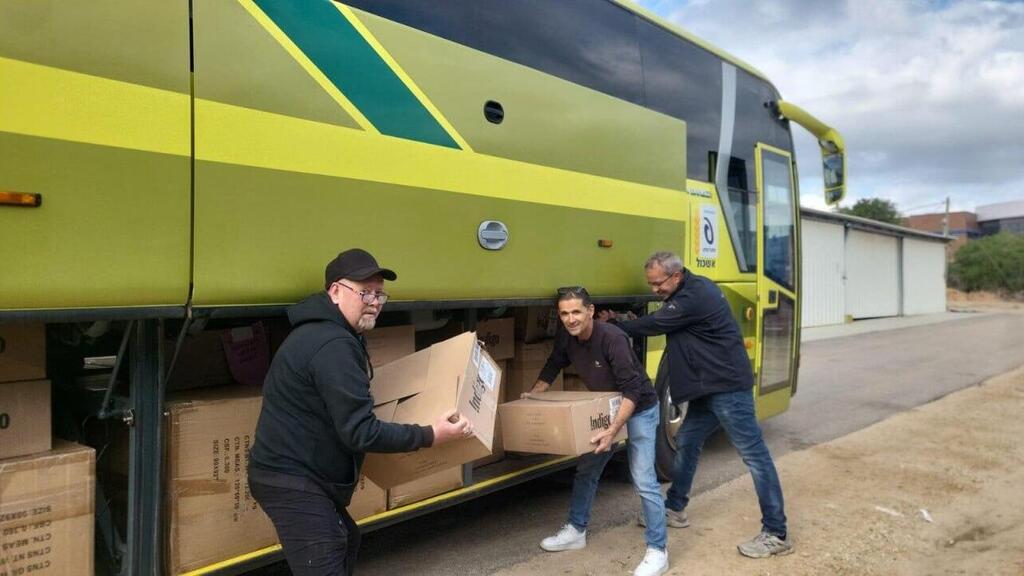
In the months following the large-scale evacuation of residents, the council received significant quantities of equipment and civilian donations from Israel and abroad. Some of the supplies were kept in storage even after residents began returning home and they are now being put to new use.
A circle of solidarity
Eshkol Regional Council head Michal Uziyahu visited the impacted areas in Dimona and Arad, met with their mayors, and afterward decided to transfer some of the stored equipment to families displaced from their homes.
Buses loaded with supplies set out from the Gaza border area heading south, carrying items such as blankets, bedding, towels and children’s games — basic necessities intended to provide immediate relief to families forced to evacuate and reorganize under emergency conditions.
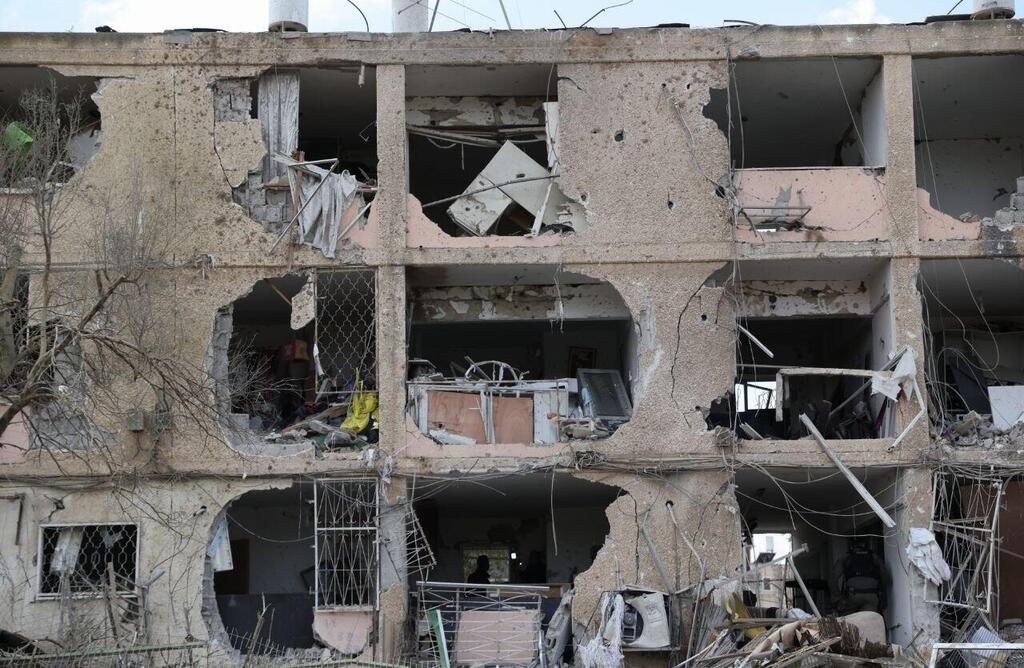
Apartment building destroyed in Dimona
(Photo: Alex Kolomoisky )
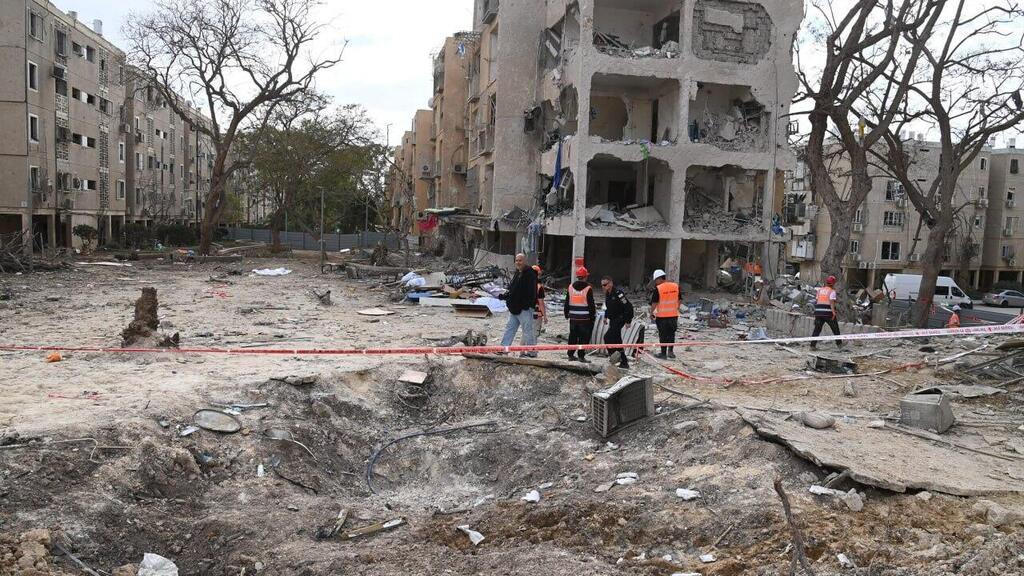
Missile impact site in Arad
(Photo: Herzl Yosef)
“We are passing on the warmth, the love and the mutual responsibility,” Uziyahu said, emphasizing that, for her community, this is part of a cycle of solidarity. “We remember very well what we received in our hardest moments, and now we have the privilege to do the same for those who need it today.”
She added that, in the difficult period following the October 7 massacre, Israelis, local authorities and organizations from across the country supported Eshkol residents and sent aid of all kinds. “Today, as families in Dimona and Arad cope with severe damage and evacuation, we are sending them equipment we have kept — along with the knowledge and experience we have gained.”
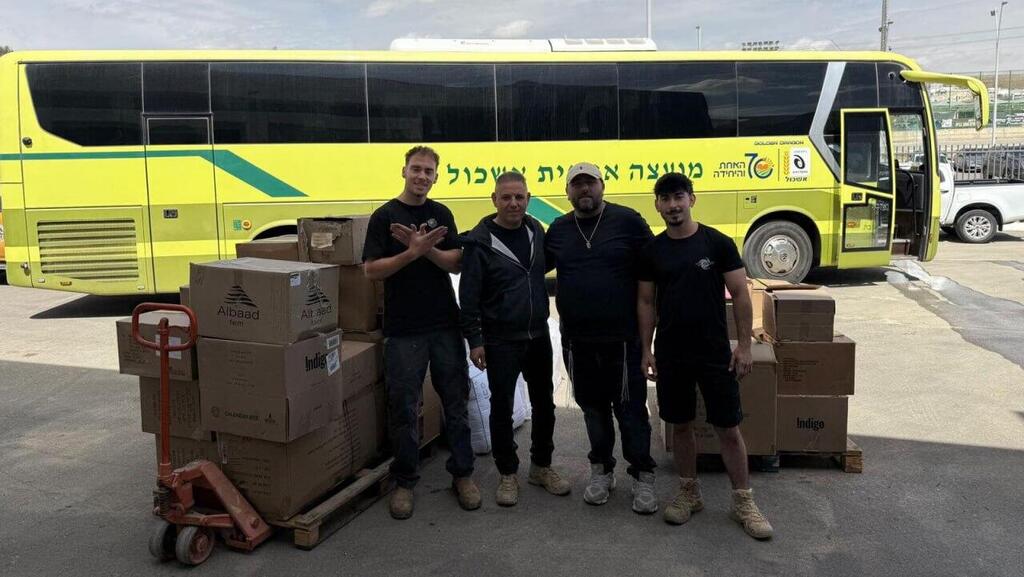
Volunteers from Gaza border communities with equipment for evacuees whose homes were damaged in the war
Council officials stressed that the current assistance is part of a broader effort ongoing since the start of the war. In recent months, Eshkol has worked to support other affected municipalities, in both the south and the north, by transferring supplies and sharing expertise in managing evacuations and establishing community support systems.
“For many months, Eshkol was on the receiving end of aid. Today, we are in a position to give back and help others facing a similar situation,” Uziyahu said.