


Amid a series of political defeats in key races and growing pressure from activists, the pro-Israel lobbying group AIPAC announced Wednesday evening a sweeping change to its political strategy, saying it would stop formally endorsing congressional candidates and cease making direct contributions from its political action committee.
In an official letter to members, AIPAC's leadership said the decision followed a months-long "strategic review" and would take effect immediately as a permanent, long-term policy change. The move ends three election cycles of direct political involvement through the organization's PAC and marks a shift toward encouraging contributions directly from individual donors, without AIPAC's name appearing on candidates' campaign finance reports.
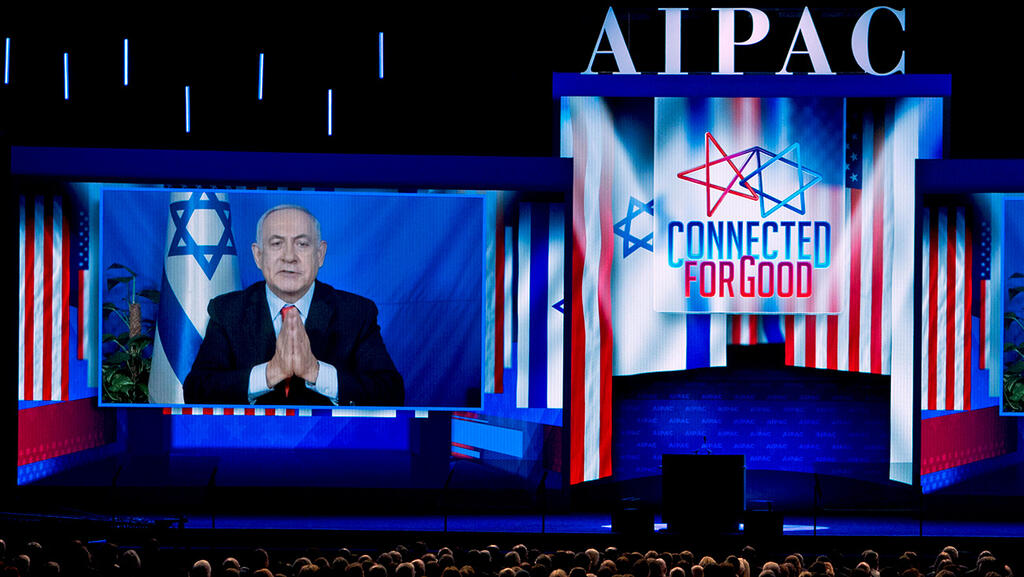
Despite ending formal endorsements, the organization's leadership emphasized that its independent super PAC, United Democracy Project, would continue operating as usual. The separate entity does not contribute directly to political campaigns and is prohibited from coordinating with candidates, but it can spend unlimited amounts on independent television and digital campaigns supporting pro-Israel candidates and opposing their rivals.
The move is intended to counter the public and political backlash that has developed in recent years over the perceived political cost of an association with AIPAC. The organization's official endorsement has become a target for activists on both the progressive left and the far right, prompting Democratic lawmakers, including Sen. Cory Booker of New Jersey, to announce that they would refuse contributions from political action committees generally or AIPAC specifically to avoid potential electoral damage.
In the letter, signed by AIPAC President Bernie Kaminetsky, board chair Michael Tuchin, president-elect Yehuda Neuberger and CEO Elliot Brandt, the organization's leadership explained the reasoning behind the shift.
"To win the battle for the future of our country and the U.S.-Israel alliance, we must build a more strategic, substantial and flexible political operation," the letter said.
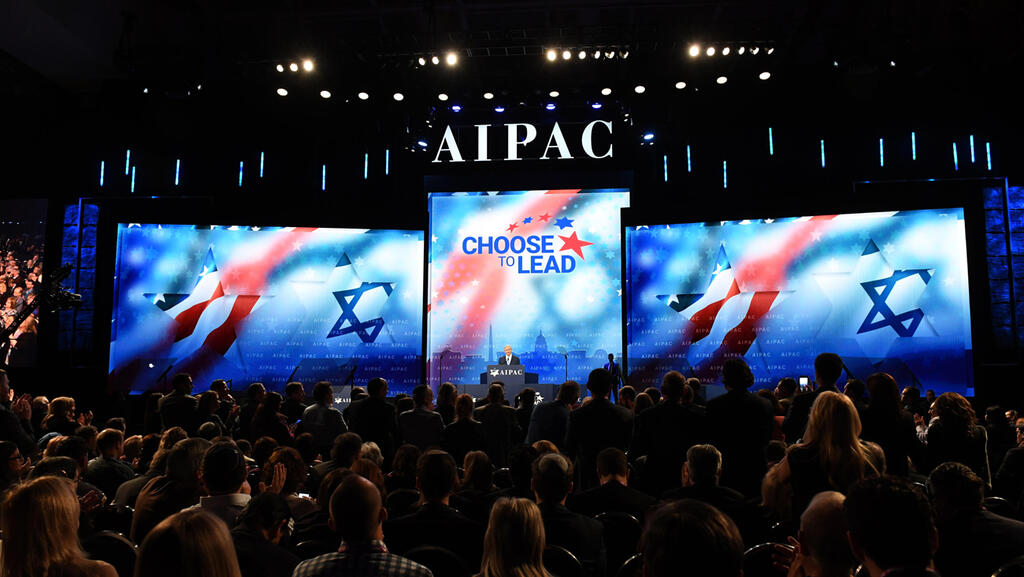
(Photo: Haim Tzach/GPO)
The leaders added that "formal endorsements, direct contributions and earmarked donations will no longer be part of our approach, allowing us to expand individual giving and use new tools to help our friends win."
AIPAC's leadership stressed that U.S. elections present "one of the most complex challenges in recent memory" and said it expects those challenges to evolve further ahead of the next election cycle.
Under the system used until now, AIPAC members could donate to candidates through the organization's online portal, with the contributions listed in official campaign finance reports as having been routed through the lobby. Federal law limits direct PAC contributions to approximately $10,000 per candidate per election cycle, a relatively small sum in today's American political landscape.
By contrast, contributions made directly by individual donors were substantially larger. AIPAC spokesperson Darrin Sosa said the organization's members had contributed more than $90 million to candidates during the current election cycle, including earmarked donations made through the portal, compared with approximately $3 million contributed directly by the PAC itself.
"Our measure of success is the strength of the U.S.-Israel relationship," Sosa said. "Our members have always been our greatest strength. We are investing more time and resources in what has proven most effective: direct contributions from AIPAC members to candidates and expanding their influence."
The strategic shift follows a period of political tensions and mounting criticism within the Democratic Party. Earlier this year, AIPAC suspended fundraising activities for 18 Democratic members of the House of Representatives after they voted to reduce U.S. security assistance to Israel. As a result, the organization's portal was left with active fundraising links for just 178 Republicans and 72 Democrats.
Meanwhile, protest organizations and anti-Israel activists, including TrackAIPAC, began identifying individual Jewish and pro-Israel donors and labeling their contributions as AIPAC money, prompting serious accusations of antisemitism. Removing the lobby's official designation is expected to make it harder for such organizations to single out candidates, while allowing politicians who have pledged not to accept lobbying-group money to continue receiving support from individual donors.
Although AIPAC reported playing a prominent role in the victories of 290 candidates and the defeats of 29 candidates it considered hostile to Israel, the organization also suffered several political setbacks in key races.
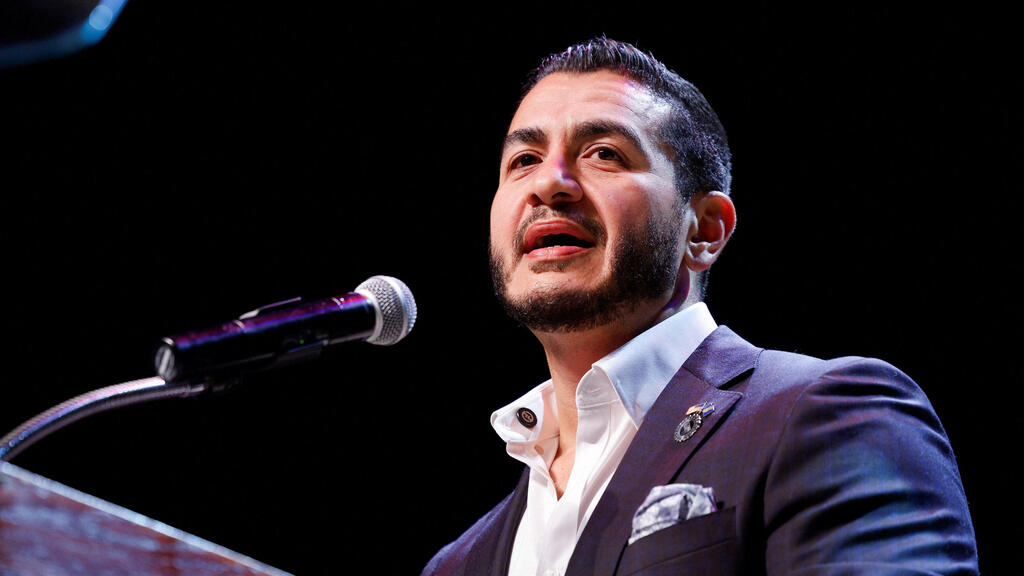
Abdel El-Sayed won Michigan's Democratic primare for the US Senate even though the affiliated super PAC spent tens of millions of dollar
(Photo: Rebecca Cook/Reuters)
In Michigan's Democratic Senate primary, the lobby's affiliated super PAC spent tens of millions of dollars supporting Rep. Haley Stevens but failed to prevent her defeat by anti-Zionist candidate Abdul El-Sayed. In New Jersey's 11th Congressional District primary, the organization's advertising attacks weakened former Rep. Tom Malinowski, indirectly paving the way for the victory of progressive candidate Analilia Mejia.
In remarks to the media, Sosa emphasized that the super PAC remains one of the organization's principal tools for defeating candidates it considers hostile to Israel.
"The only tactic we are committed to is the one that is most effective," Sosa said. "We have a determined activist base, and the pro-Israel community is ready to stand with its friends in Congress."