

U.S. President Donald Trump is known for making dramatic and consequential declarations—such as the surprise announcement of the capture of Venezuelan strongman Nicolás Maduro. But he has also been known to issue similarly dramatic statements that prove to be more bark than bite.
Last year, he proclaimed a vision of transforming Gaza into the “Riviera of the Middle East.” On Saturday, he made yet another sweeping statement, declaring that the United States would “run” Venezuela and take control of its oil reserves until “we can do a safe, proper and judicious transition.”
Gallery
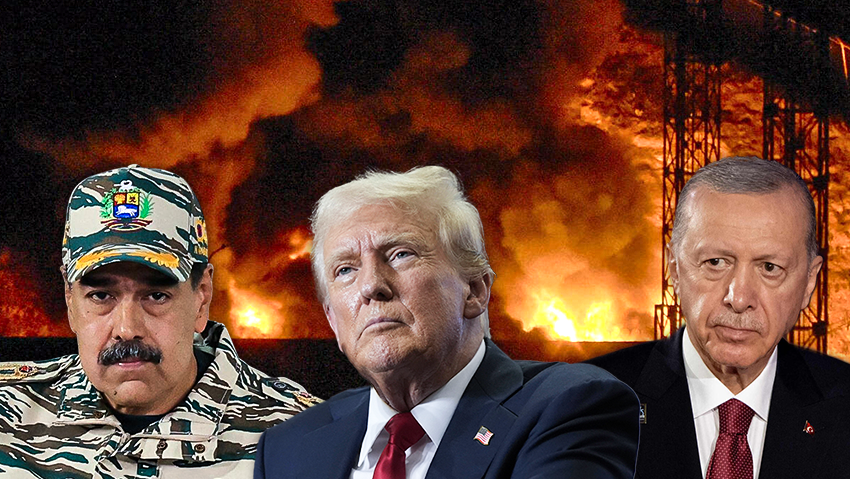
(Photo: Luis JAIMES / AFP, Andrew Harnik/GETTY IMAGES NORTH AMERICA/AFP, AP Photo/Alex Brandon, ZURIMAR CAMPOS / VENEZUELAN PRESIDENCY / AFP)
Trump offered no specifics on how the U.S. would govern the South American nation. When pressed by reporters, he vaguely referenced some unspecified “group” that would manage the country. In reality, the United States currently has no troops on the ground in Venezuela and shut down its embassy there in 2019. While Maduro was indeed apprehended in a bold—and deeply humiliating—commando raid, his regime still appears to hold sway. Venezuelan state television continued broadcasting pro-Maduro propaganda on Saturday, showing his supporters protesting in the streets of Caracas.
Maduro’s vice president, Delcy Rodríguez, who under the constitution became acting president upon his detention, staged a public display of loyalty to the ousted leader.
Appearing alongside senior regime officials—including her brother Jorge Rodríguez, the head of the National Assembly; Interior Minister Diosdado Cabello; and Defense Minister Vladimir Padrino—she insisted at a press conference, where she was referred to only as vice president, that “Venezuela has one president—Maduro.”
Some analysts interpreted this show of unity as a sign that the political apparatus built by the late socialist leader Hugo Chávez, whom Maduro succeeded, remains intact for now.
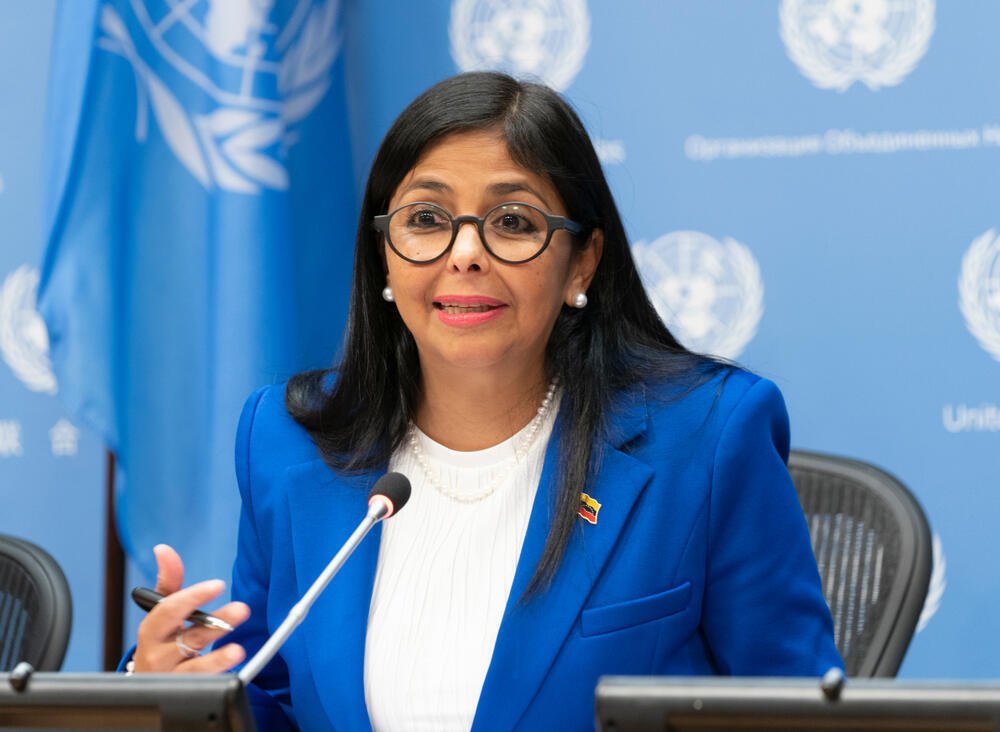
Delcy Rodríguez
(Photo: Lev Radin/Shutterstock)
Despite celebrations by Venezuelan expats around the world—many of whom hoped Maduro’s arrest would pave the way for opposition leader and Nobel Peace Prize laureate María Corina Machado—Trump distanced himself from her. Though calling her “a very nice lady,” he said she lacked popular support to lead Venezuela. Instead, Trump embraced the possibility that Rodríguez, despite her senior role in a regime the U.S. considers illegitimate and has blamed for fueling America’s drug crisis, could temporarily lead the country—so long as she pivoted and served U.S. interests, particularly Washington’s demand for access to Venezuela’s vast oil reserves.
Trump said Secretary of State Marco Rubio had already spoken with Rodríguez, and claimed she had signaled a willingness to “do what the U.S. needs.” This, despite her defiant statement that her country “will never become a colony.”
The New York Times published new details Sunday on what appears to be a U.S.-backed regime-change operation in Venezuela, shedding light on Trump’s surprising embrace of Rodríguez as an acceptable interim leader. Sources familiar with the matter said the decision to oust Maduro came only after he rejected a final ultimatum last month to go into exile in Turkey.
According to the report, Maduro not only rebuffed the offer but continued making mocking appearances on Venezuelan television, sometimes dancing and exuding calm in the face of Trump’s threats. This reportedly convinced some in the U.S. administration that Maduro was mocking them and attempting to expose what he believed to be a bluff by Washington.
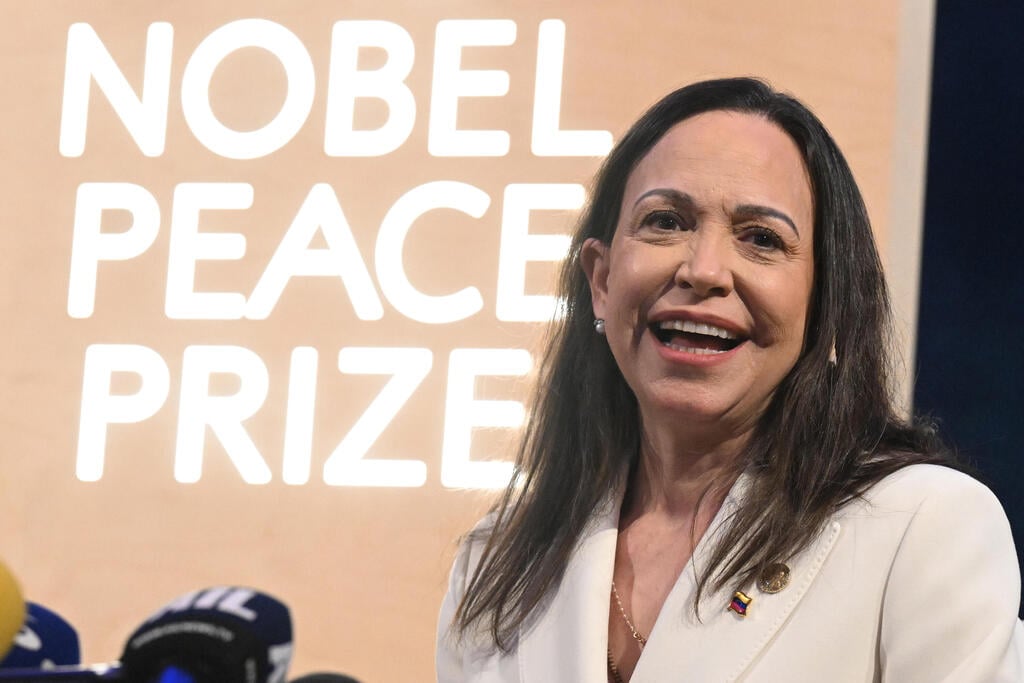
María Corina Machado
(Photo: Rune Hellestad/Getty Images)
Two sources told the Times that this led the White House to follow through on its military threat, launching the operation in Caracas that captured Maduro and his wife, Cilia Flores. They have been brought to the U.S. to stand trial on drug trafficking charges.
Venezuelan officials confirmed casualties in the raid but gave no specific numbers. The Times reported that at least 40 people were killed, including both soldiers and civilians. Several American troops were injured, though none were killed.
Shortly after, Venezuelan Defense Minister Vladimir Padrino confirmed that a large portion of Maduro’s security detail was killed in what he called a “cold-blooded assassination.” Padrino also announced that the military recognizes Delcy Rodríguez as the country’s interim president.
Oil blockade continues
According to the Times, U.S. officials had identified Rodríguez as a potentially acceptable successor weeks before the operation to capture Nicolás Maduro, impressed by how she managed Venezuela’s oil industry. Those involved in the discussions said intermediaries persuaded the administration in Washington that Rodríguez might be willing to advance U.S. energy interests in Venezuela in the future.
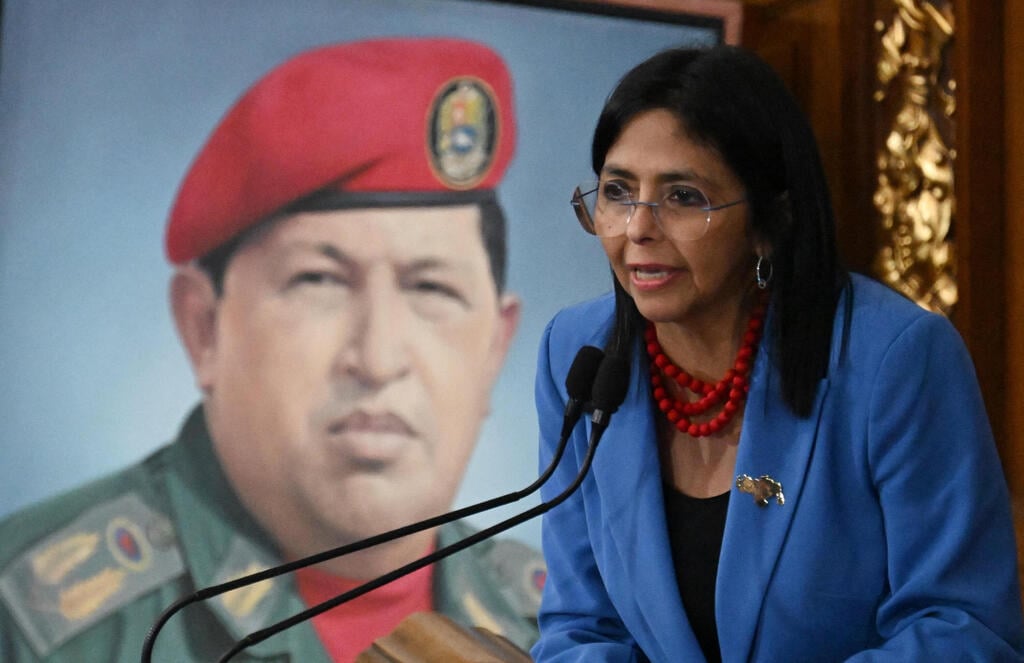
Rodríguez
(Photo: JUAN BARRETO / AFP)
“I’ve been watching her career for a long time, so I have some sense of who she is and what she’s about,” a senior American official told the Times on condition of anonymity. “I’m not claiming that she’s the permanent solution to the country’s problems, but she’s certainly someone we think we can work at a much more professional level than we were able to do with [Maduro].”
Rodríguez, 56, is the daughter of Marxist guerrilla Jorge Antonio Rodríguez, who founded the Revolutionary Socialist League in the 1970s and was known for the kidnapping of an American businessman. She works closely with her brother Jorge Rodríguez—currently head of Venezuela’s National Assembly—and, in addition to serving as vice president, also holds the post of oil minister. That role gives her significant control over the country's economy, and she is credited with helping stabilize Venezuela’s oil sector after years of turmoil under Maduro’s corrupt regime and the suffocating weight of U.S. sanctions, an achievement that reportedly impressed even U.S. officials.
While Rodríguez carefully presents herself as a soft-spoken technocrat, standing in contrast to the muscular military men Maduro typically surrounded himself with, she has never publicly condemned the widespread corruption and repression of the ousted leader’s government. In fact, she once described her decision to join Maduro’s administration as a “personal revenge” for the death of her father in prison in 1976, following interrogation by intelligence agents under a then pro-American government.
For now, it remains unclear whether Rodríguez will comply with Trump’s expectations for managing Venezuela’s affairs. Trump made clear Saturday night that the “oil blockade” he announced last month would remain in place.
U.S. officials told the Times the blockade is intended as leverage against Rodríguez, and that any relationship with her would depend on her ability to “play by the rules” set by the United States. The sources echoed Trump’s own warning that further military action was not off the table if Rodríguez failed to “respect” American interests. On Saturday afternoon, Secretary Rubio said that the U.S. would cooperate with figures from the Venezuelan regime “if they make the right decisions.”
With ‘Colectivos’ on motorbikes: the violent and unpredictable power player
There are signs Rodríguez may indeed be open to cooperation. Sources close to the Caracas regime told the Times that her public show of unity on Saturday, standing alongside senior officials and pledging loyalty to Maduro, was part of a calculated effort to publicly appease other top figures in the regime, particularly after the humiliation they suffered in the U.S. operation. This included factions within the military and pro-government militias.
Meanwhile, the Maduro regime is unlikely to collapse simply because its leader was removed. Even without Maduro at the helm, it remains propped up by a wide network of loyalists, especially within the military and security apparatus, groups that have a deep vested interest in preserving the system.
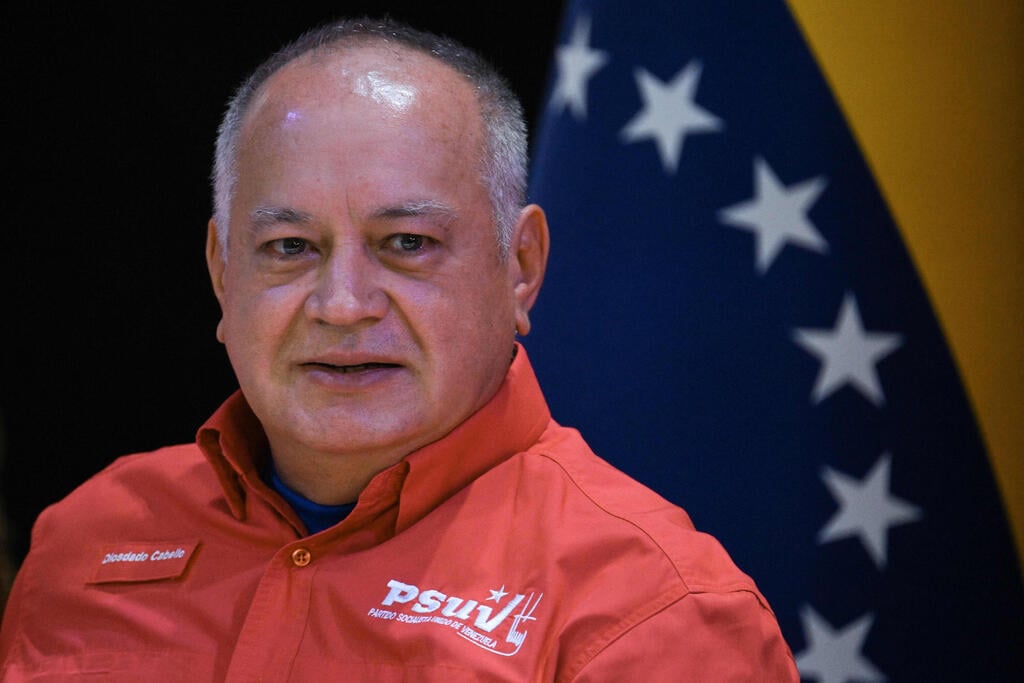
Diosdado Cabello
(Photo: Federico PARRA / AFP)
One key figure is reportedly Interior Minister Cabello, who commands significant support among army generals and senior intelligence officials. “The focus needs to be on Diosdado Cabello,” said Venezuelan military strategist José García. “He’s the most ideological, violent and unpredictable element of the regime.”
Cabello, a former military officer, is said to wield considerable influence over key segments of Venezuela’s armed forces, even though they have officially been under the command of Defense Minister Vladimir Padrino for more than a decade. He also enjoys the backing of loyalist militias, particularly a group of armed civilian motorcyclists known as “Colectivos.”
Venezuela’s military includes around 2,000 generals—more than twice the number in the U.S. military. These senior officers, including some who have retired, control various sectors of the economy, including the state oil company PDVSA, and profit from illicit trade.
According to Reuters, opposition sources shared documents with the U.S. military showing that officers close to Cabello and Padrino have been assigned control of strategic border crossings and industrial centers. These border zones, important for both military and smuggling purposes, give them additional leverage.
“There are about 20 to 50 Venezuelan officers who need to go—possibly more—in order to dismantle the regime entirely,” said an attorney who has represented a senior official in Caracas and spoke on condition of anonymity.