

Few British politicians get a second act like Ed Miliband. Eleven years after leading the Labour Party to electoral defeat, resigning as its leader and becoming, in the eyes of many, a symbol of an awkward politician unfit to be prime minister, he has returned to the heart of government — this time as Britain's foreign secretary.
New Prime Minister Andy Burnham on Monday appointed the 56-year-old Miliband as foreign secretary as part of a sweeping Cabinet reshuffle following his replacement of Keir Starmer.
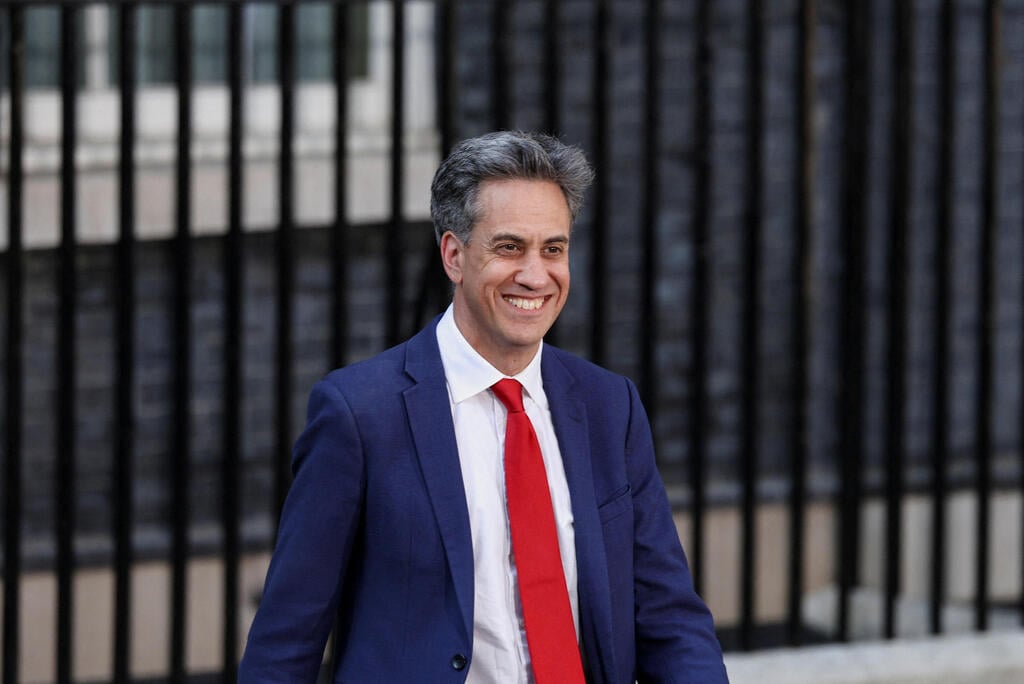
Miliband, who has served for the past two years as energy security and net zero secretary, had also been considered a candidate for chancellor of the Exchequer. Instead, he was given one of the government's most senior and sensitive posts at a time when Britain is confronting the war with Iran, the crisis in the Strait of Hormuz, the war in Ukraine and already strained relations with President Donald Trump's United States.
A potential "point of friction" with the White House
According to a report Tuesday in The Daily Telegraph, Miliband's appointment has not been welcomed at the White House. A senior Trump administration official told the newspaper that Miliband could become a "point of friction" in relations between the two countries, citing his opposition to new oil and gas drilling and his strong support for renewable energy policies that Trump has fiercely opposed.
The newspaper reported that administration officials conveyed that message in informal conversations with Burnham's team while he was emerging as the leading candidate to replace Starmer.
Andy Burnham's first speech as prime minister
(Video: Reuters)


Steve Bannon, Trump's former chief strategist and one of his most outspoken allies, was even more blunt. He claimed the administration had warned Burnham against appointing Miliband, calling the new foreign secretary a "red diaper baby" — an American pejorative for someone raised in a communist household — and a "twit."
Bannon holds no official position in the administration, but his remarks reflect hostility toward Miliband among parts of Trump's political base.
The U.S. administration also has an extensive record of Miliband's past comments. After Trump's election in 2016, Miliband wrote that people should resist "the worst of Trumpism," describing Trump's victory as "dark days for America and the world." He later questioned how Britain could speak of shared values with "a racist, misogynist, self-confessed groper." In 2017, he said Trump had "lowered the bar for idiocy" and took part in anti-Trump protests in London.
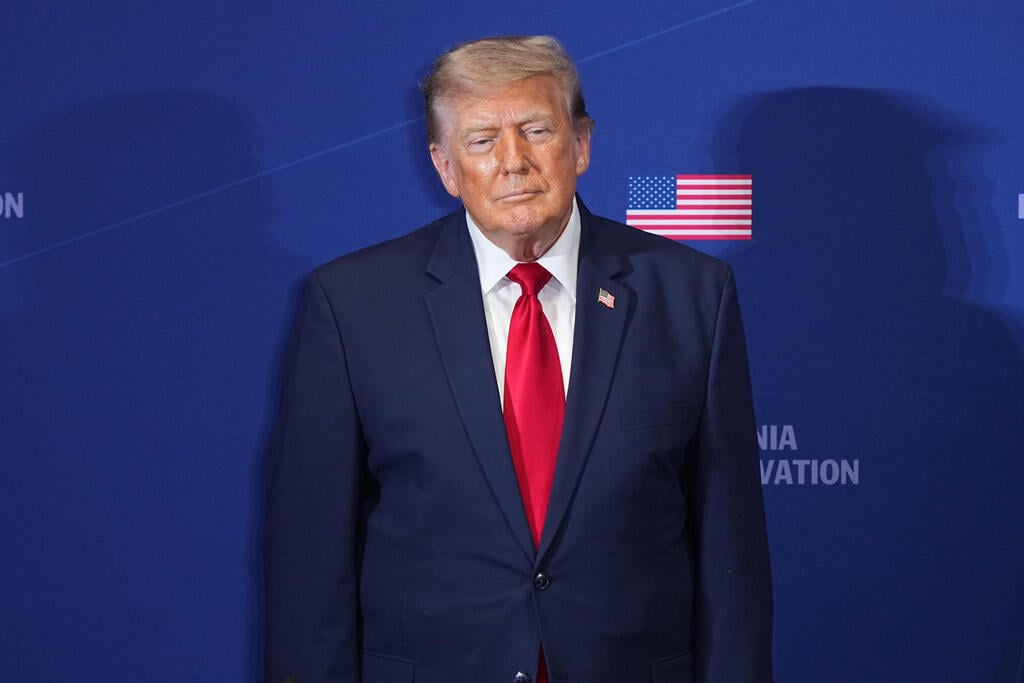
US President Donald Trump
(Photo: AP Photo/Matt Rourke)
After Trump's return to the White House, however, Miliband adopted a more conciliatory tone. He acknowledged his past comments but said his duty as a Cabinet minister was to work with the elected U.S. administration. In his first statement as foreign secretary, he pledged to deepen Britain's strategic partnership with the European Union while also maintaining the "strong, enduring and essential alliance" with the United States.
Disputes over Iran and North Sea drilling
For Washington, the tensions extend beyond old social media posts.
According to British media reports, Miliband was among the ministers who led opposition in February within Britain's National Security Council to granting advance approval for the United States to use British military bases for strikes against Iran. The bases under discussion reportedly included Diego Garcia in the Indian Ocean and RAF Fairford in England.
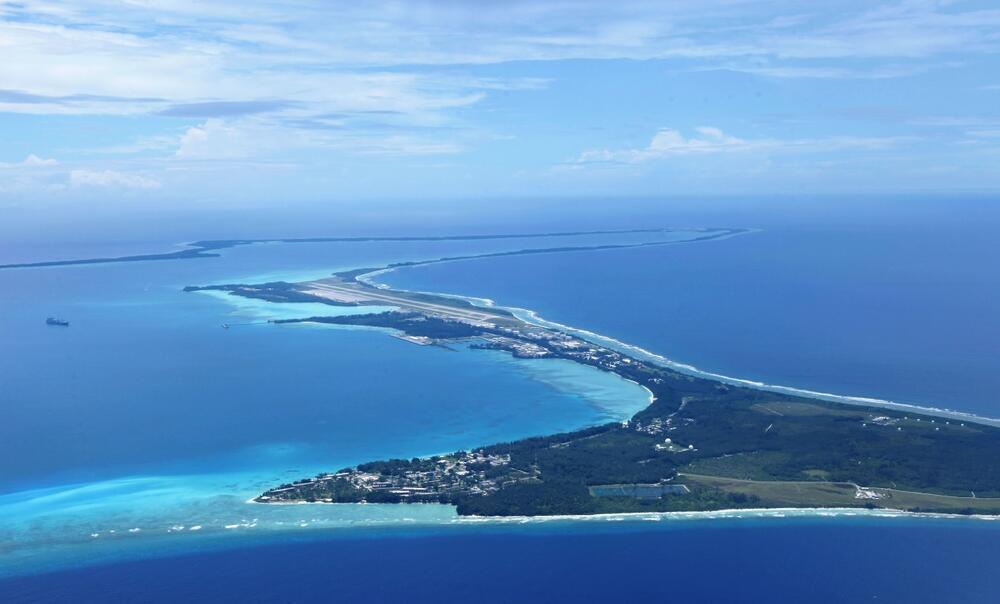
Diego Garcia
(Photo: Shutterstock)
Former prime minister Keir Starmer initially rejected the U.S. request to conduct offensive operations from British bases. After Iran retaliated by attacking targets in the region, Britain approved limited U.S. use of the bases for what were described as defensive strikes against Iranian launch capabilities. The delay was enough to anger Trump, who said Starmer was "not Winston Churchill."
Another source of friction is energy policy. Miliband was the chief architect of Labour's pledge not to issue new licenses for oil and gas drilling in the North Sea. In 2023, he accused then-Conservative prime minister Rishi Sunak of trying to ignite a "Trump-style climate culture war." For a U.S. president who made "Drill, baby, drill" one of his signature slogans, the appointment is unlikely to be an ideal starting point.
Miliband's critics — including the Conservatives, Reform UK, Restore Britain, energy companies and some labor unions — argue that his policies threaten jobs, increase dependence on imported energy and raise costs for households.
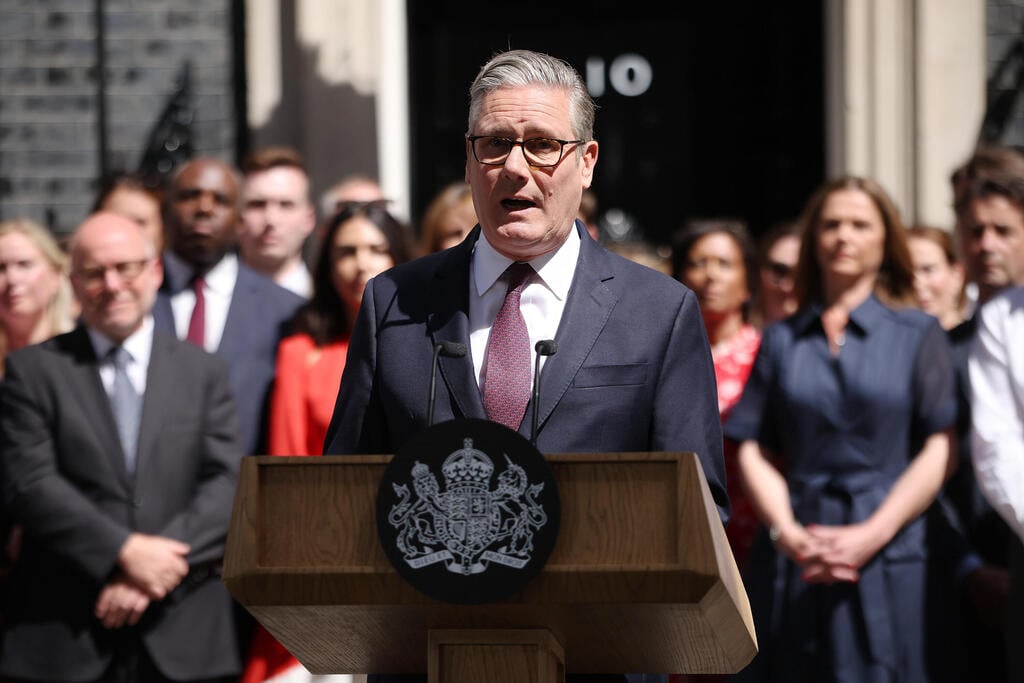
Keir Starmer
(Photo: Dan Kitwood/Getty Images)
His supporters present a different picture. They say that during his tenure the government effectively lifted restrictions on onshore wind farms, accelerated approvals for solar and wind projects and secured about 100 billion pounds ($135 billion) in private investment for clean technologies. The Guardian has described him as one of the most effective ministers in Starmer's government.
Among the British public, however, Miliband remains relatively unpopular. According to YouGov polling for the second quarter of 2026, 92% of Britons recognize him, but only 22% hold a favorable opinion. Forty-seven percent view him negatively, while 23% are neutral. Despite those numbers, he ranked third among Labour's most popular politicians, reflecting what some observers see as the broader weakness of British politics.
Within Labour, the picture is markedly different. A YouGov poll conducted in May found that 77% of Labour members viewed Miliband favorably. In a Survation survey for the website LabourList, he ranked first among Cabinet ministers with a net favorability rating of 70 points.
Many party activists regard him as a consistent left-wing figure with clear principles who never abandoned his positions, even when they made him an easy target for Britain's tabloid press.
The sandwich that became a symbol
Miliband was born in London in 1969 into a family in which politics was an integral part of life. His father, Ralph Miliband, was a prominent Marxist intellectual. His mother, Marion Kozak, was a Jewish academic and political activist who survived the Holocaust in Poland. Both parents arrived in Britain as refugees fleeing Nazi persecution.
After studying philosophy, politics and economics at the University of Oxford and economics at the London School of Economics, Miliband became one of former prime minister Gordon Brown's closest advisers. He was elected to Parliament in 2005 and served as energy and climate change secretary from 2008 to 2010.
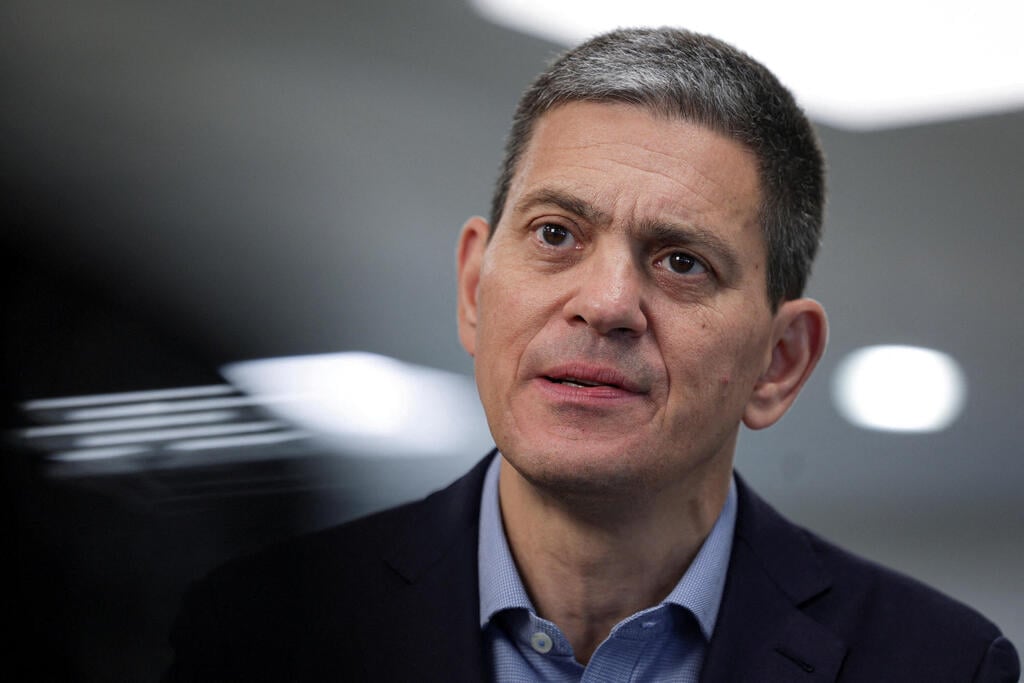
David Miliband
(Photo: REUTERS/Jeenah Moon/File Photo)
In 2010, he ran for the Labour leadership against his older brother, David Miliband, who was widely seen as the frontrunner and the party's more moderate candidate. Ed won by the narrowest of margins after securing decisive backing from labor unions. The contest created a lasting rift between the brothers, and David later left British politics. David Miliband served as foreign secretary from 2007 to 2010, and now his younger brother has taken over the same office.
Ed Miliband's five years as Labour leader were marked by a constant struggle against his public image. He was portrayed as intelligent but awkward, serious but lacking charisma, and unable to appear natural in front of cameras.
That image became encapsulated in a single photograph taken in 2014 showing Miliband awkwardly eating a bacon sandwich, his face frozen in an unflattering expression.
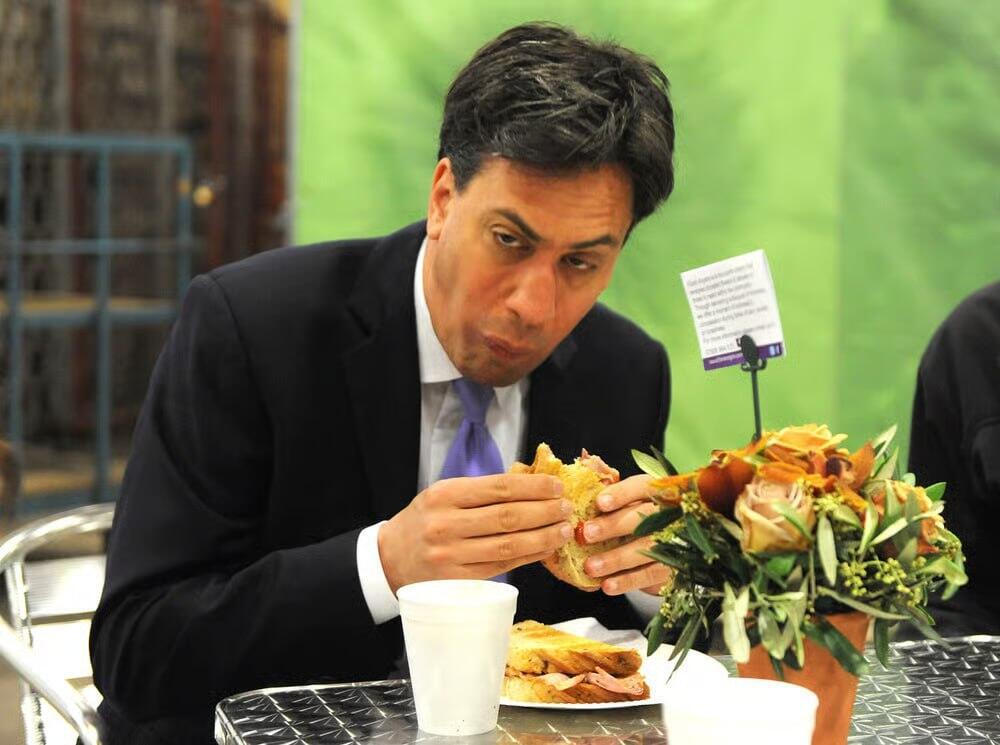
The infamous sandwich shot
(Photo: Jeremy Selwyn / Evening Standard / eyevine)
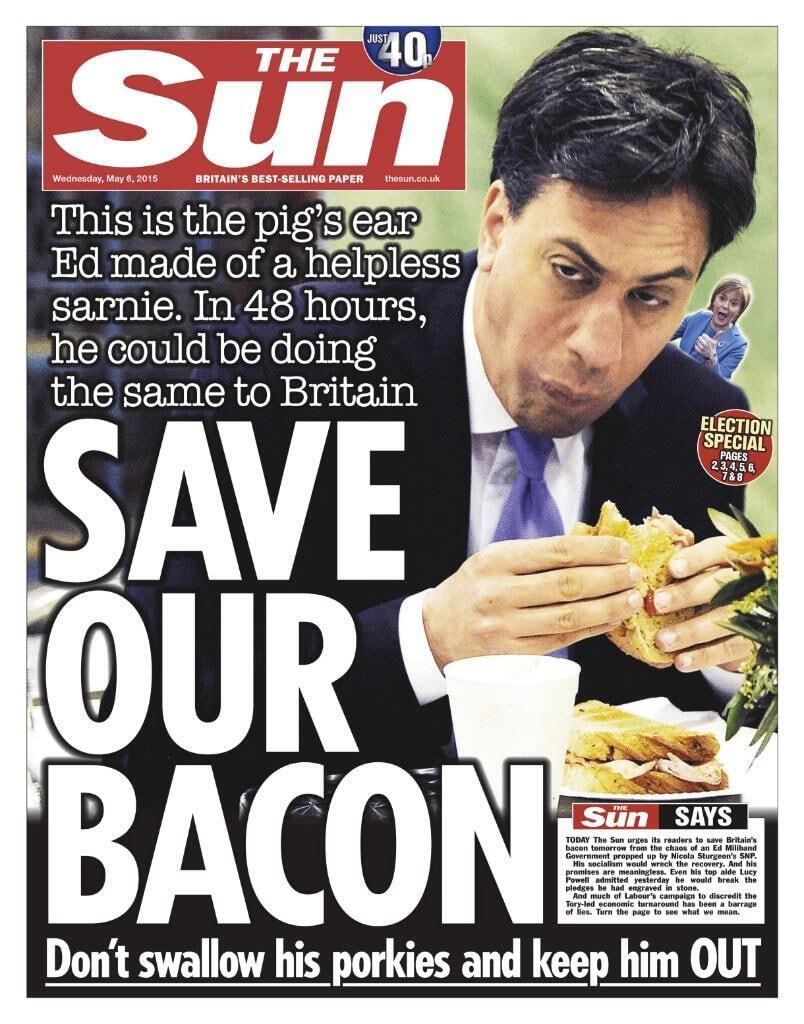
The Sun devoted its front page to the image
(Photo: The Sun)
The photograph quickly became a meme, with Britain's tabloid press repeatedly using it to portray him as someone incapable of performing even the simplest everyday task. On the eve of the 2015 general election, The Sun devoted its front page to the image.
It is impossible to determine how much the photograph influenced voters, but it became one of the defining symbols of the campaign. Labour was defeated, David Cameron secured a Conservative majority, and Miliband resigned as party leader the following day.
Unlike many defeated political leaders, Miliband did not leave Parliament. He returned to the backbenches and, in 2017, launched the political podcast Reasons to be Cheerful. Gradually, he presented a more relaxed and humorous public persona than the one seen during his leadership campaign. In 2020, Keir Starmer brought him back into Labour's front bench, and after the party's 2024 election victory, he returned to government as energy secretary.
His Jewish background — and the Syria vote
Miliband's Jewish identity is a significant part of his personal story, though it has never been the central focus of the political criticism directed at him.
Labour's first Jewish leader, Miliband describes himself as a "Jewish atheist." In his first statement as foreign secretary, he chose to begin with his family, saying his parents "came to Britain as Jewish refugees from the Nazis. To them, Britain was both a sanctuary and a beacon of hope in the global fight against fascism." His mother, who survived the Holocaust as a child in Poland, died in May at the age of 91.
His relationship with Israel has been complex. As Labour leader, Miliband described himself as a friend and supporter of Israel, recognized its right to self-defense and opposed boycotts against it. At the same time, he sharply criticized Israel's military campaign in Gaza in 2014, supported British recognition of a Palestinian state and accused Israel of causing suffering and destruction on an unjustified scale.
His appointment is expected to raise concerns among some Jewish organizations in Britain while also prompting hopes among others that he will seek to advance a two-state solution. In his first statement as foreign secretary, he pledged to work toward "a sustainable peace in Palestine and Israel."
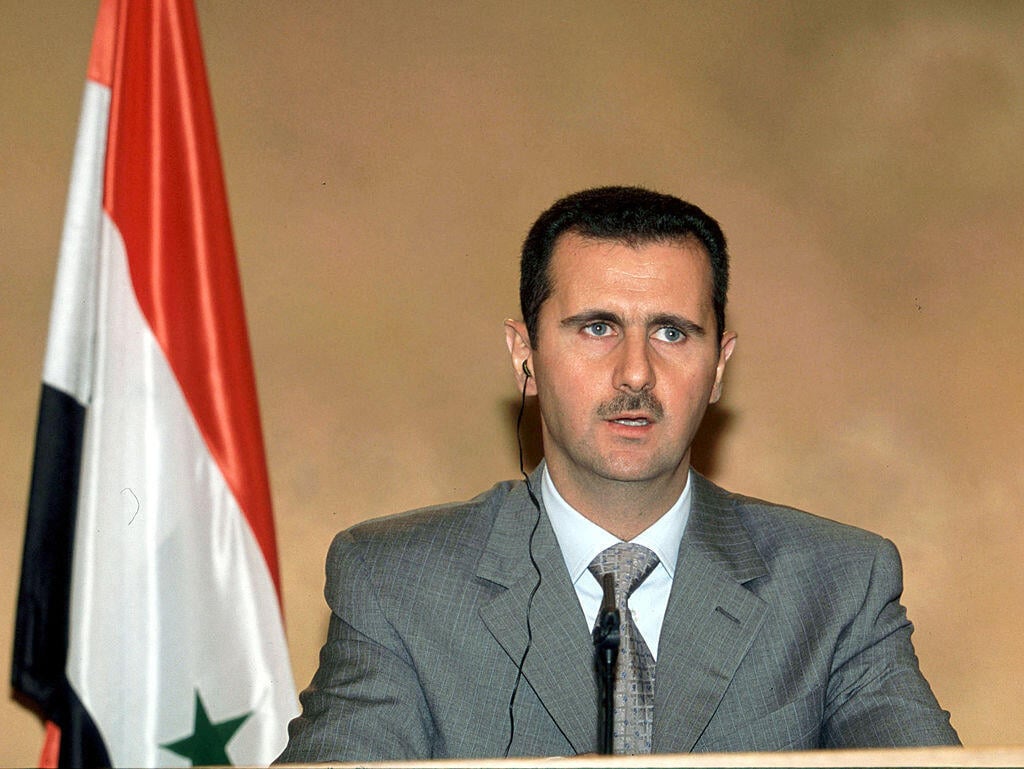
Bashar Assad
(Photo: Carlos Alvarez/Newsmakers/Getty Images)
Another decision that continues to shadow Miliband is his role in leading Labour's opposition in 2013 to the Conservative government's proposal to authorize military action in Syria.
Then-prime minister David Cameron's motion was defeated in Parliament by 285 votes to 272, preventing Britain from joining military strikes against Syrian President Bashar Assad's government following its use of chemical weapons.
Miliband's critics have portrayed the vote as a historic failure that weakened Western deterrence. Miliband himself said as recently as 2024 that he did not regret his decision.
Now, Miliband will be judged not on his ability to eat in front of television cameras but on his ability to reconcile positions he has held for years with Britain's national interests.
He will have to work with Trump, maintain support for Ukraine, navigate the war with Iran and balance Britain's policy toward Israel and the Palestinians — all while some figures in the Trump administration have already signaled they have little interest in making that task any easier.