

France is bracing for mass demonstrations Saturday as several protest movements join forces against the high cost of living, deteriorating public services and rising fuel prices. Tens of thousands of people are expected to take to the streets in demonstrations bringing together members of the Yellow Vests movement and student protesters, among others.
Riots in Marseille (Credit: Reuters)


The student protest movement in France began Sept. 17 and has gained momentum in recent weeks, with students at hundreds of schools, particularly in impoverished, working-class suburbs such as Saint-Denis outside Paris, blocking school entrances, taking over roads, setting trash cans on fire and attacking police officers and passersby. The students say they are protesting neglected school infrastructure, overcrowded classrooms and teacher shortages. The demonstrations erupted as the French government seeks to pass its 2027 budget, which aims to reduce the deficit.
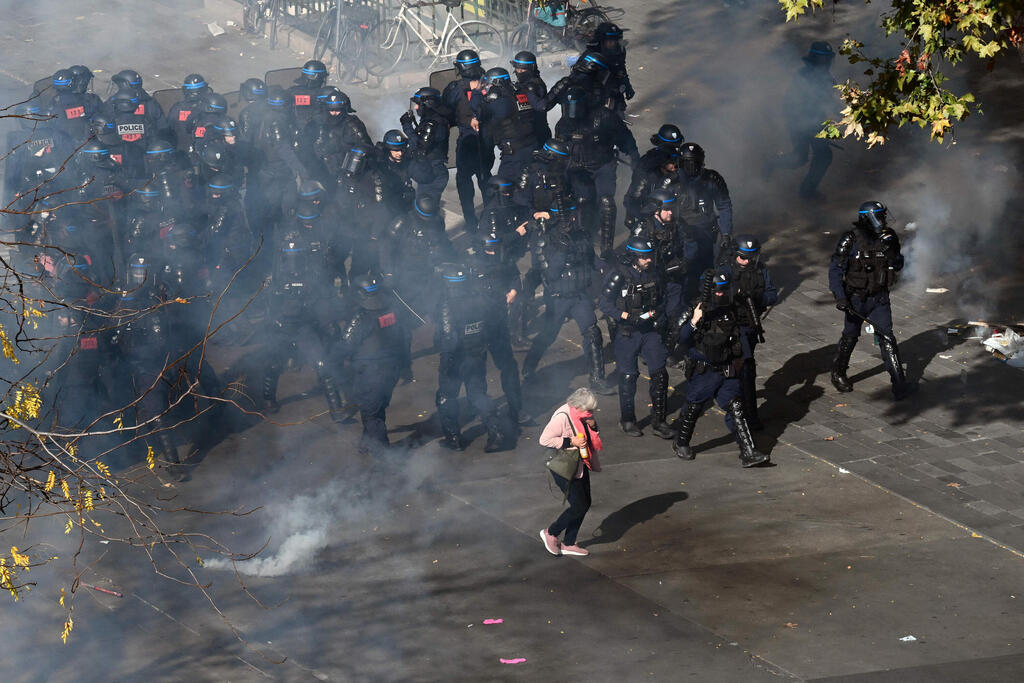
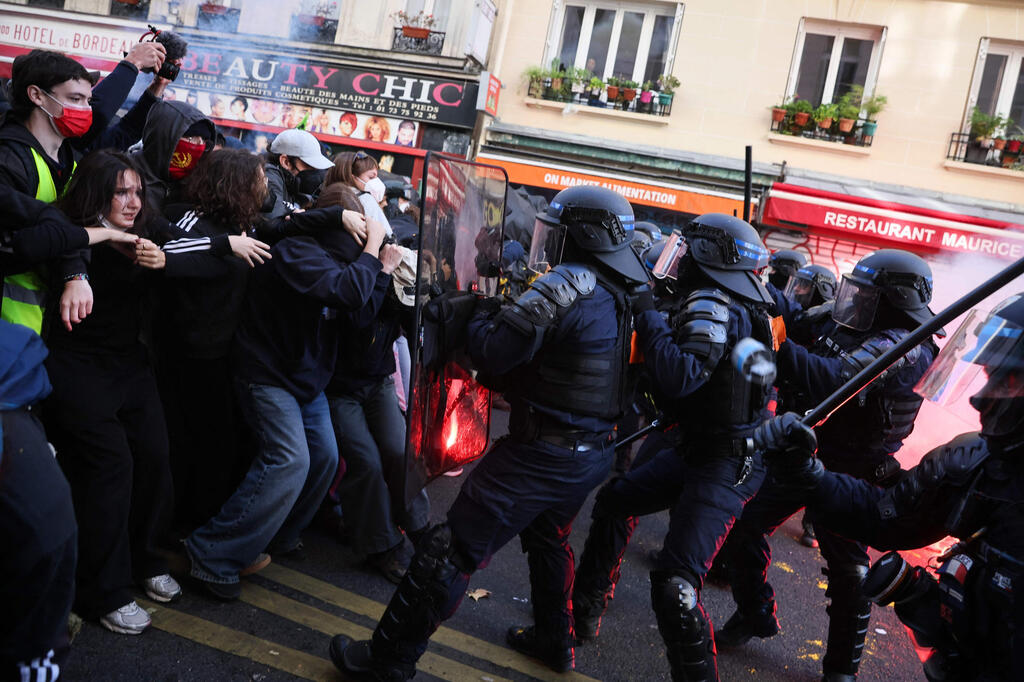
In central Paris, large numbers of police officers gathered, particularly near the Champs-Élysées and the Arc de Triomphe. Police also fired tear gas canisters at demonstrators in Place de la République. Some protesters wore masks and black clothing and launched fireworks.
Gallery
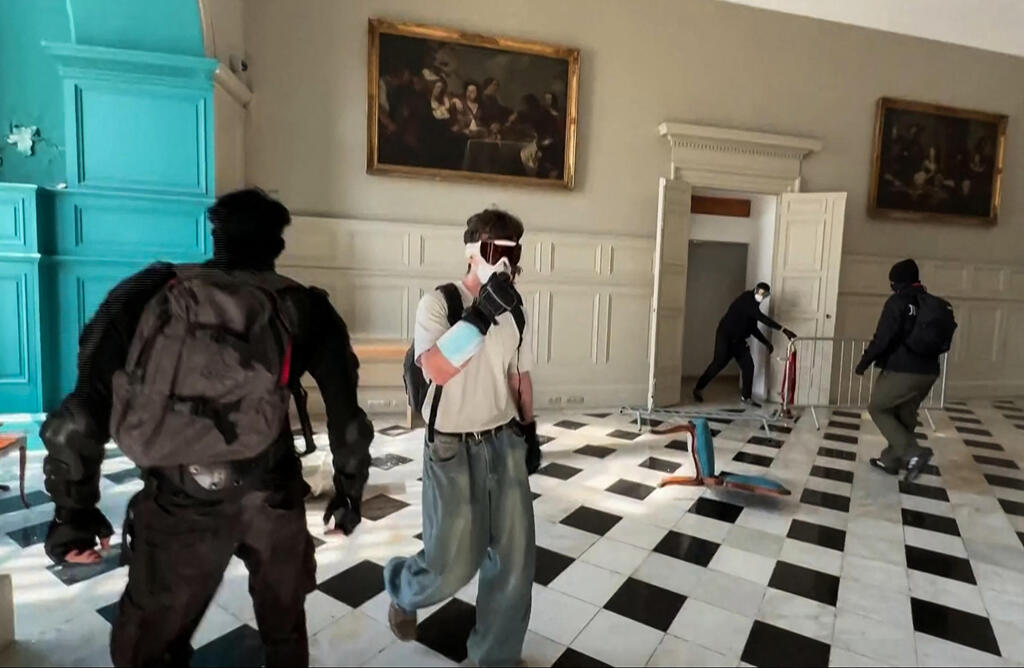
Protesters inside City Hall. Cries of 'We're storming the Bastille'
(Photo: Viken KANTARCI / AFP)
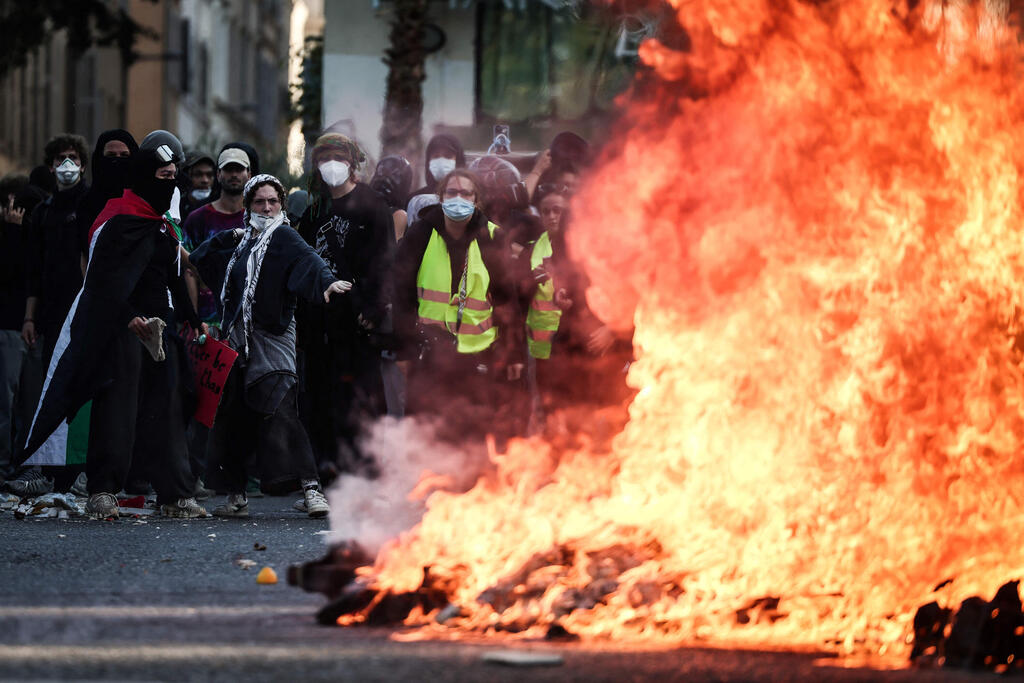
But the more dramatic scenes, even before the demonstrations officially began, came from Marseille. In the southern city, protesters were filmed smashing windows at a local police station and spray-painting graffiti, including on police flags. Fires were set in the streets, with mannequins apparently looted from stores thrown into the flames.
Dozens of protesters also briefly stormed City Hall, shouting, "This is the revolution — we're storming the Bastille!" Police removed the demonstrators from the building and deployed officers at the entrance to prevent them from returning. Officers in the streets of Marseille also used tear gas, while some images showed arrests taking place.
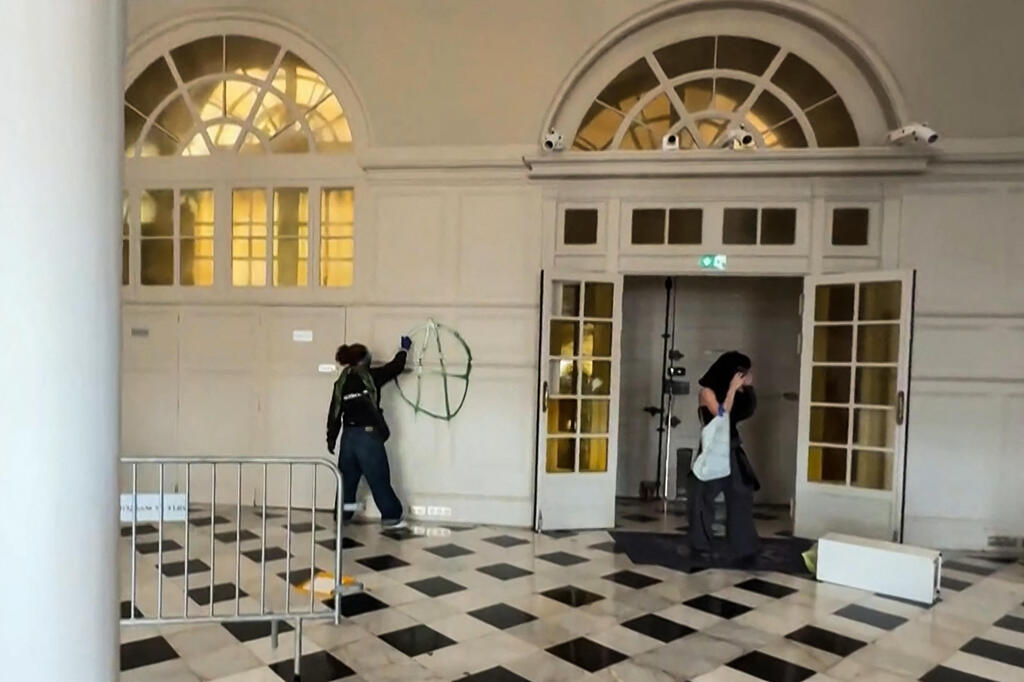
Marseille, Saturday
(Photo: Viken KANTARCI / AFP)
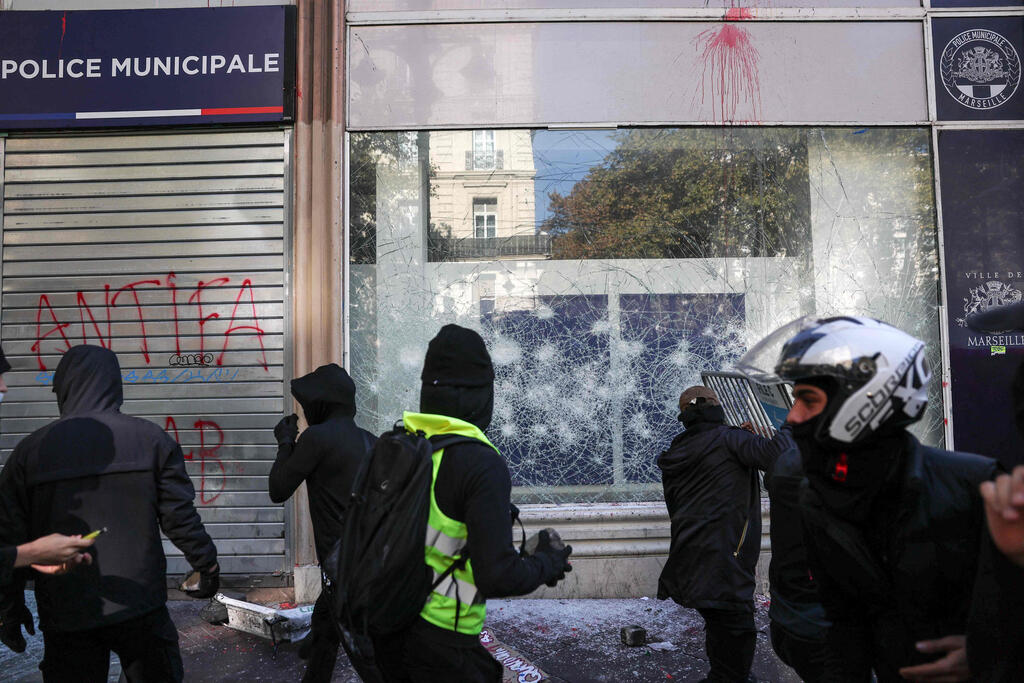
(Photo: hibaud MORITZ / AFP)
By midday, French authorities had recorded approximately 140 protest actions involving tens of thousands of people. A total of 166 people had been arrested across France, including dozens in Paris. Interior Minister Laurent Nuñez said he feared that "far-left elements" could inflame the demonstrations and turn them violent during the afternoon.
In a post on X, Paris police said, "We will not back down in the face of rioters and those who come to attack law enforcement officers," accusing "hostile individuals" of carrying out attacks against police.
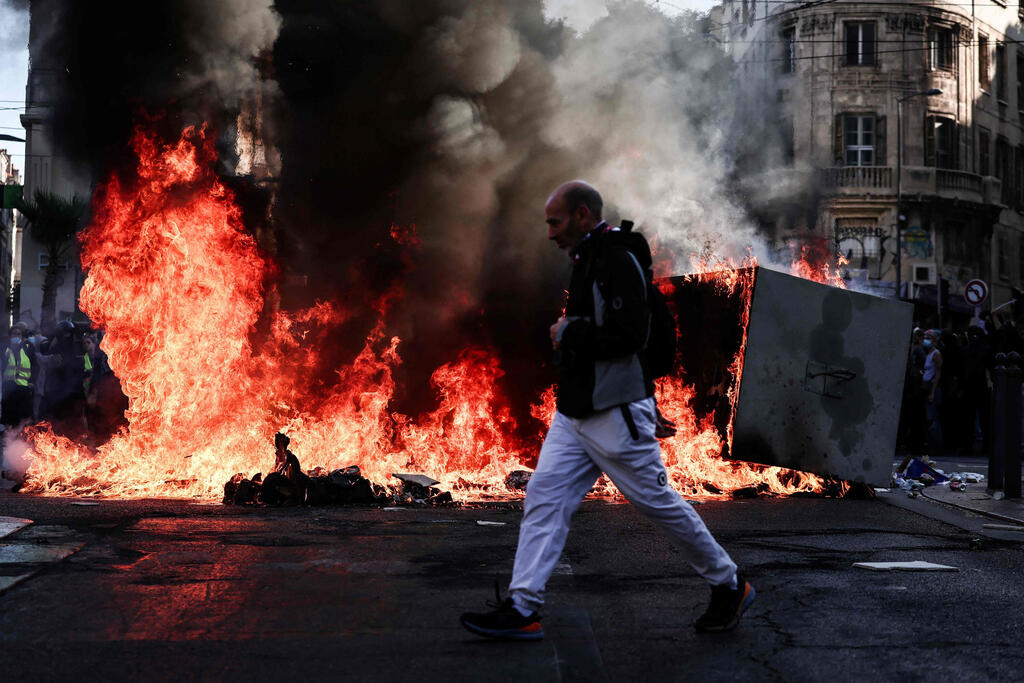
(Photo: hibaud MORITZ / AFP)
(Photo: hibaud MORITZ / AFP)
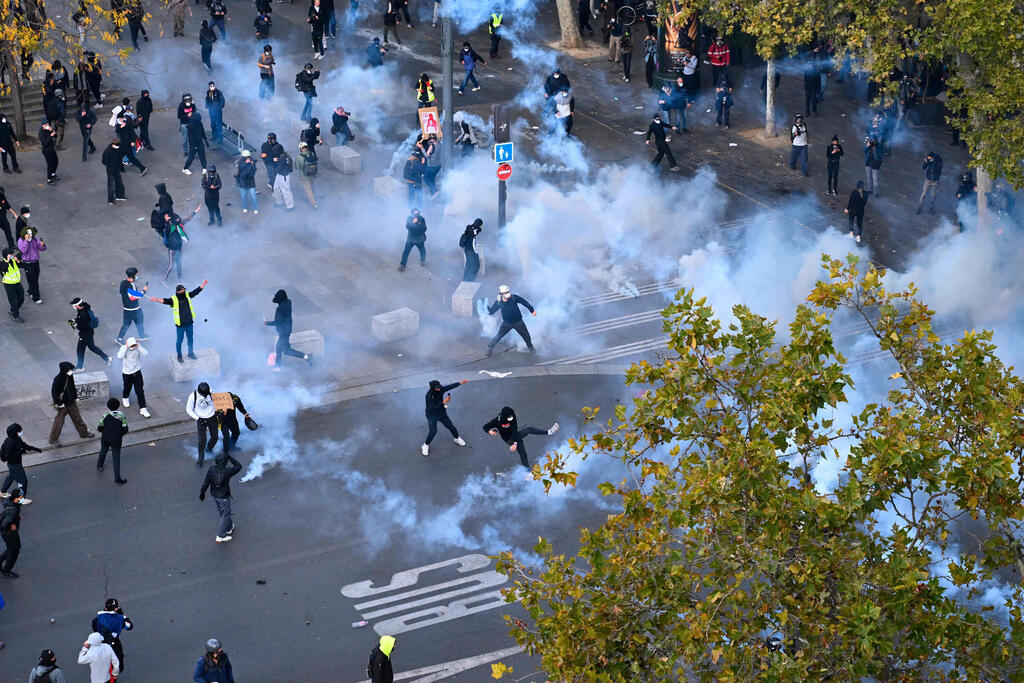
Tear gas in Paris. Police deployed reinforcements along the Champs-Élysées and near the Arc de Triomphe
(Photo: Guillaume Saligot / AFP)
"We are fighting because the cost of living is too harsh, because the price of fuel is too high, because high school pupils are being violently attacked and hurt all over the country just for trying to protest and ask for more teachers and decent learning conditions," a 19-year-old protester who identified herself as Lola told Reuters.
Prime Minister Sébastien Lecornu said Thursday that authorities were concerned about possible riots during the protests. President Emmanuel Macron, for his part, called for "calm" ahead of Saturday's demonstrations but stressed that he believed in the right to protest. He urged demonstrators to respect people and property.
(Photo: Guillaume Saligot / AFP)
Opponents of the protests accused the France Unbowed party, led by radical left-wing leader Jean-Luc Mélenchon, a staunchly anti-Israel politician, of inciting violence and fueling the unrest. They also emphasized the involvement of immigrants and their descendants in the street violence. The party categorically denied the allegations.
Palestinian keffiyehs and flags were seen at many of the demonstrations. About a week and a half ago, U.S. President Donald Trump weighed in on the issue in a social media post, alleging that the protests were not really about conditions in schools but rather reflected immigration spiraling out of control and an attempt by Islam to take over France.
(Photo: Kiran RIDLEY / AFP)
Police could resume use of stun grenades
Last week, France announced it was suspending the use of stun grenades following an incident in which a 15-year-old boy lost his hand. Police said they had faced more than 200 students throwing stones and launching fireworks, and that the boy had picked up a grenade that exploded in his hand. Students, however, claimed he was struck directly after a police officer fired the grenade at him.
In another incident last week, a 14-year-old boy named Eden was struck in the face by a tear gas canister near Paris. According to his lawyer, he lost several teeth and suffered a fractured jaw.
On Friday evening, however, Interior Minister Nuñez announced that the use of stun grenades could resume.
"If there are clashes, all types of equipment may be used," he said in a television interview Friday.
The wave of unrest in France has erupted just six months before the presidential election, against an already tense social and political backdrop, with far-right candidate Marine Le Pen leading in the polls and fuel prices soaring.
Current polls suggest that Le Pen will not win outright in the first round and that she will face radical left-wing leader Mélenchon in the decisive runoff — and defeat him.
Either way, such a showdown would signal that France is abandoning the political center and finding itself forced to choose between two parties widely regarded as extreme.