


Allies of Prime Minister Benjamin Netanyahu are accelerating efforts to establish a commission of inquiry into the failures surrounding the Hamas-led massacre of October 7, fearing that the Knesset could be dissolved in the upcoming parliamentary session if one of the coalition partners makes an unexpected move. Such a development could prevent Netanyahu from controlling the makeup of the inquiry if Israel is forced into early elections.
A three-way meeting was held Monday between Netanyahu, Justice Minister Yariv Levin and Likud lawmaker Ariel Kallner, who initiated the bill to establish the commission. According to Israeli media reports, the discussion focused on advancing the legislation as quickly as possible while avoiding linking it to the controversial military draft law, which could spark deep divisions among the public.
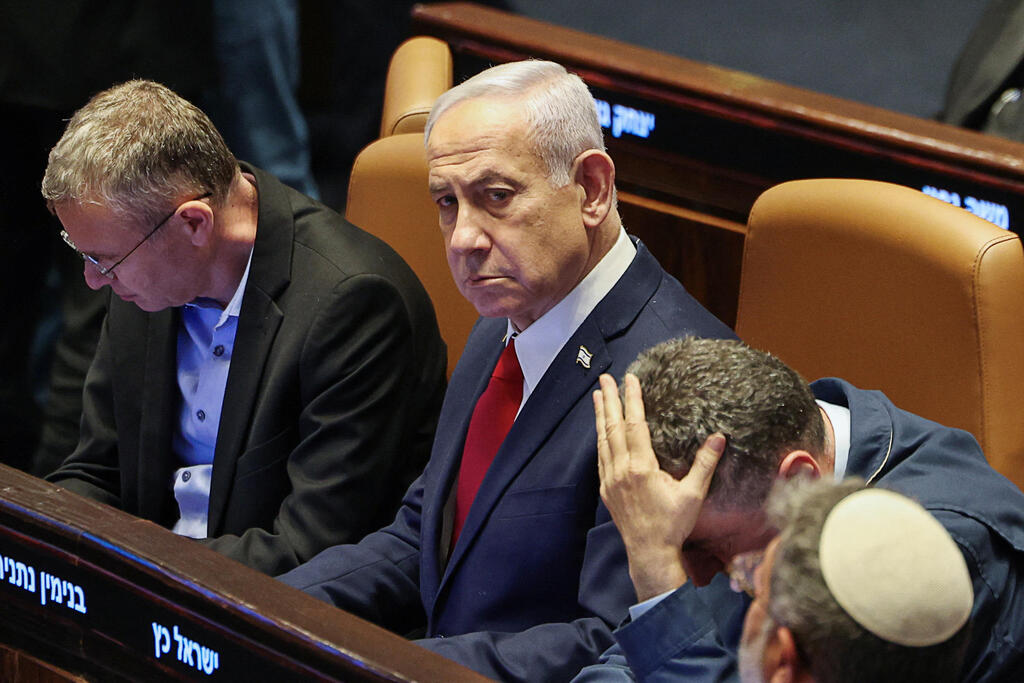
Netanyahu and his associates are determined that the commission conduct a thorough investigation into what they describe as “the protest movement’s role” in the failures of October 7, as well as the role of the judiciary — which they claim weakened Israel’s security establishment over the years by curbing its powers, sources told ynet.
Discussions within the coalition have led to a proposal stipulating that half of the commission’s members would be representatives of the opposition and half from the coalition, along with a retired judge acceptable to both sides. The proposed legislation also states that Supreme Court President Yitzhak Amit will have no involvement in the matter.
Among the judges reportedly acceptable to the coalition are retired Supreme Court Justice Yosef Elron — Levin’s preferred candidate to lead the Supreme Court — and Judge Asher Kula, recently appointed by Levin as commissioner for public complaints against judges.
Opposition parties have repeatedly declared that if they win the next election, they will establish a full state commission of inquiry, as defined by Israeli law. That position has drawn growing support among bereaved families, raising pressure within Likud and prompting Netanyahu’s camp to prioritize the bill over other parliamentary initiatives.
Last week, Israel’s High Court of Justice ruled that the government must update it within 30 days regarding the establishment of a state commission of inquiry into the events of October 7, 2023. The court wrote that “there is no real dispute regarding the need for a national commission with broad investigative powers and authority to determine findings and formulate recommendations concerning the events of October 7.”
In its decision, however, the court avoided the formal term “state commission of inquiry,” referring instead to a “national commission.” Legal observers said that phrasing appears to reflect the court’s acceptance of the government’s statement during a recent hearing that it would draft legislation to form “a commission to investigate the events of October 7.” The disagreement now centers not on whether an inquiry is needed, but on what form it will take — and when it will be established.
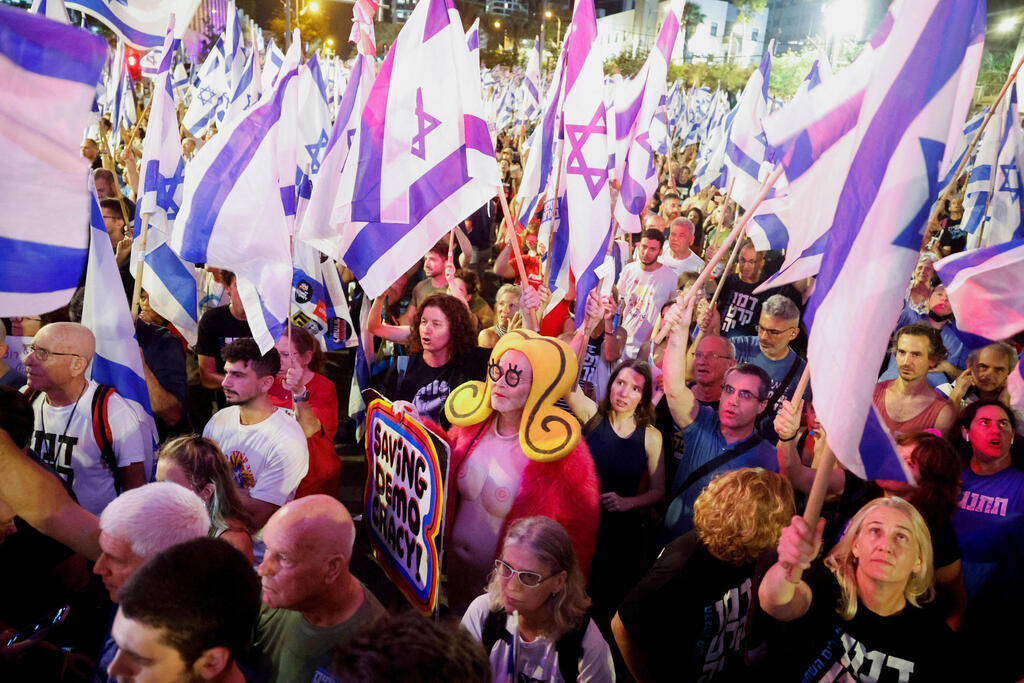
(Photo: Reuters/Amir Cohen)
About three weeks ago, during a hearing on a petition demanding such a commission, Supreme Court Justice Yechiel Kasher noted that “the government decided not to form a state commission of inquiry while the war continues, but rather to promote a different type of commission.” He added that judicial intervention is reserved for exceptional cases and that claiming the government’s decision is “extremely unreasonable” is not a simple argument. “Issuing an order requiring the establishment of a state commission during wartime poses an especially serious legal challenge,” he said.
Now, following the release of all remaining hostages and U.S. President Donald Trump’s declaration that “the war is over,” the government is required to respond again to the court on the issue.
In May, more than a year and a half after the Hamas-led terrorist attack — which killed about 1,200 people, most of them civilians, and saw more than 250 taken hostage into Gaza — the government discussed forming a state commission of inquiry in accordance with a High Court directive. It ultimately decided that, given the cabinet’s decision at the time to expand military operations, “it is not appropriate at this stage to investigate the events of October 7.”
At the same time, the government and the Knesset agreed to prepare legislation for a “special commission of inquiry” that would not carry the formal status of a state commission.
The debate over the inquiry’s scope and authority has become one of the most politically charged issues in Israel, reflecting tensions between the coalition and opposition over accountability for the Hamas terrorist attack and the failures that allowed it to happen.