

Spain threatened on Friday to impose restrictions on travellers from Italy unless Rome lifts by Sunday the border controls it introduced last week following a mass influx of migrants into the Spanish enclave of Ceuta.
Italy swiftly responded, saying it would not accept "ultimatums or impositions" from Madrid, adding that it would keep in place its suspension of Schengen rules for non-EU nationals arriving from Spain until at least August 15.
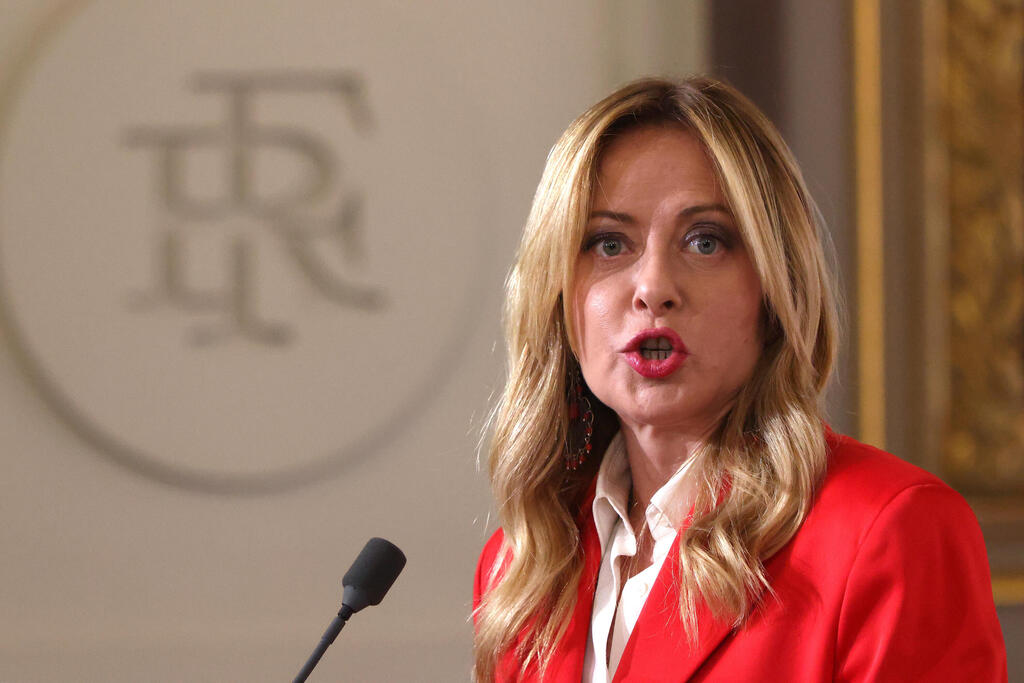
Prime Minister Giorgia Meloni's conservative government had previously said the more robust travel checks would remain in force until the end of the month.
The Spanish government said Italy's decision to reintroduce controls on arrivals from Spain was "unjustified, contrary to the interests of the European Union and discriminatory against the Spanish population".
It promised to adopt "proportionate measures" against Italy unless Meloni rolled back the new constraints by Sunday.
However, in a toughly worded statement, Meloni's office said Spanish authorities had themselves warned of a new migrant influx into Ceuta on August 15. It said it would only reconsider its decision once it was certain there was no new migration wave, no security or terrorism risk to Italy and no irregular migrants heading towards European territory.
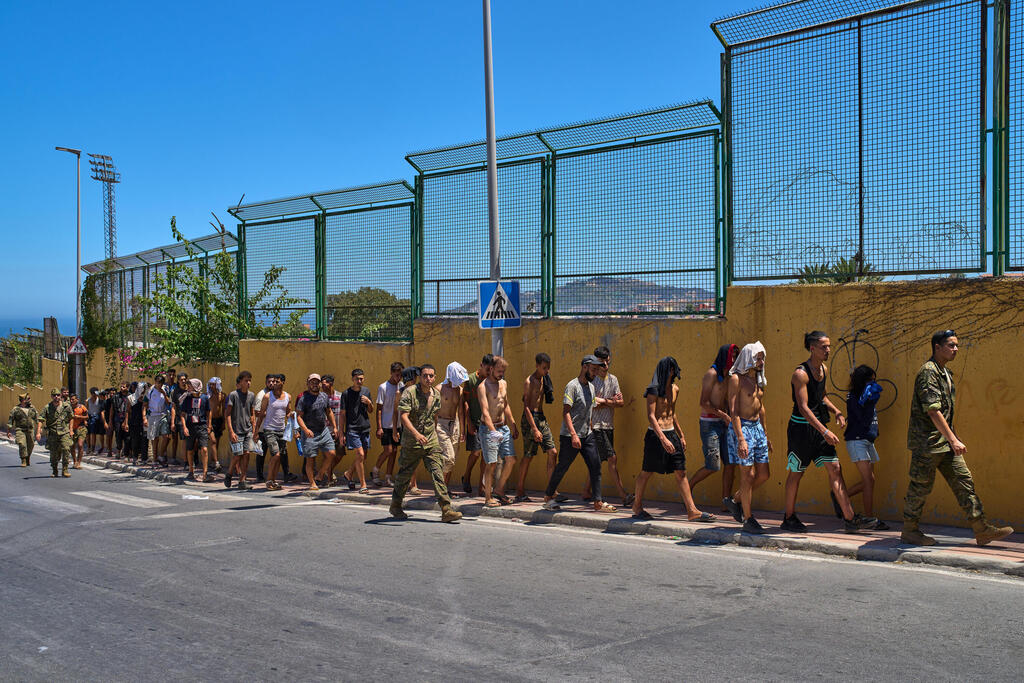
Migrants who crossed from Morocco return to their country from Ceuta, Spain
(Photo: AP Photo/Bernat Armangue)
Spain's Civil Guard has said it is aware of calls online for a fresh border crossing attempt at Ceuta on August 15, however it is not clear how many people might take part.
Spain accuses Italy of ignoring facts
As many as 72,000 people rushed to cross the border last week and dozens died in the attempt. Most have since returned to neighbouring Morocco but hundreds of unaccompanied minors remain in Ceuta.
Italy, which does not share a land border with Spain, justified its decision to partially suspend the EU's border-free Schengen arrangements to prevent any of the migrants who entered Ceuta from travelling to Italy.

As many as 72,000 people rushed to cross the border last week
(Photo: Reuters)
There has been no indication that any of them want to travel to Italy, or have the money to pay for an airline ticket.
Madrid said the Italian move was based on "spurious arguments" that lacked any factual basis because the migrants who entered Ceuta irregularly could not gain access to the Schengen area.
Italy and Spain split on migration policy
The dispute between the two EU allies marks a new low in relations between the right-winger Meloni, and Spain's Socialist prime minister, Pedro Sanchez.
Meloni has positioned herself as one of Europe's leading advocates of tighter immigration controls, while Sanchez has generally defended a more liberal approach and recently backed a large-scale regularisation programme for undocumented migrants.
"I think what we’re saying is reasonable. What doesn’t hold water at all is Italy’s stance towards Spain. The impression is that Ms Meloni is on a crusade," Spain's Youth Minister Sira Rego told Spanish public broadcaster TVE1.
In Friday's statement, the Spanish government said Italy had registered the highest number of "irregular crossings in recent years", with figures that have been double those of Spain.