


The renewed fighting this week between Iran and the United States has once again disrupted shipping through the Strait of Hormuz, with the exception of Iranian vessels. The Americans had hoped to push Iran into a situation where it would run out of storage capacity for oil it had struggled to export during the war, causing long-term damage. But once the ceasefire took effect and the naval blockade was lifted, Iran quickly moved to export oil and bring goods into the country through its ports.
The lifting of the blockade also led to reduced enforcement against Tehran’s “shadow fleet” – vessels that secretly helped Iran bypass U.S. sanctions. Thus, while the global energy economy is still trying to recover from the war, Iran continues attacking ships it claims are violating the agreement. The main beneficiary of the situation in Hormuz is Tehran.
Gallery
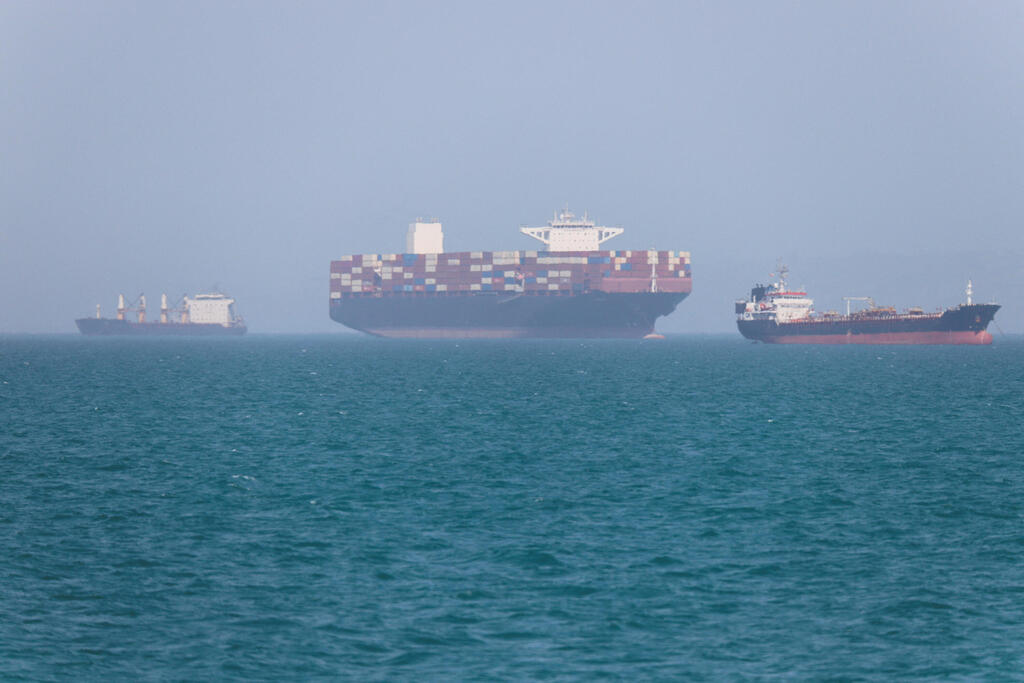
The renewed fighting has once again disrupted shipping through the Strait of Hormuz
(Photo: Amirhosein Khorgooi/ISNA/WANA (West Asia News Agency) via REUTERS)
A Wall Street Journal analysis examined ship movements through the strategic strait and found that over the past three days, even as shipping activity was restricted due to exchanges of fire in the region, more than one-third of the 101 vessels that crossed Hormuz used the route close to Iran’s coastline. According to Kpler, a company that uses satellite imagery and vessel tracking data to monitor commercial shipping, most ships using the Iranian route are either bringing goods into the country or transporting Iranian oil to global markets.
According to the company’s data, more than 34 million barrels of Iranian crude oil have passed through the Strait of Hormuz since the U.S. lifted its blockade on June 18. Among the vessels crossing the strait in the past three days were several ships that previously could have been detained but are now moving freely.
These included a Benin-flagged tanker from West Africa, which was sanctioned by the U.S. for transporting Iranian oil and passed through carrying two million barrels of Iranian crude; two Iranian vessels owned by the Islamic Republic of Iran Shipping Lines, which is under sanctions due to its involvement in supplying Iran’s nuclear and ballistic missile programs; and a Comoros-flagged cargo ship from Africa that was investigated by the United Nations in 2024 over suspected involvement in smuggling Iranian weapons to the Houthis.
While Iranian vessels continue to move freely, most shipping through the strait has halted following the exchanges of fire and attacks on vessels using the route near Oman’s coast. “The lifting of the U.S. blockade makes the deal more favorable to Iran,” Saeid Golkar, an Iran expert at the University of Tennessee, told the Journal. “Iran can export its oil unimpeded while it attacks its neighbors’ shipments.”
Meanwhile, Iranian Foreign Minister Abbas Araghchi arrived in Oman on Friday morning in an effort to promote the establishment of a mechanism for vessels to pass through Hormuz, according to Iran, in line with a memorandum of understanding. Iran’s official statement on the visit said it would focus on “bilateral relations, regional developments and especially the situation in the Strait of Hormuz.”
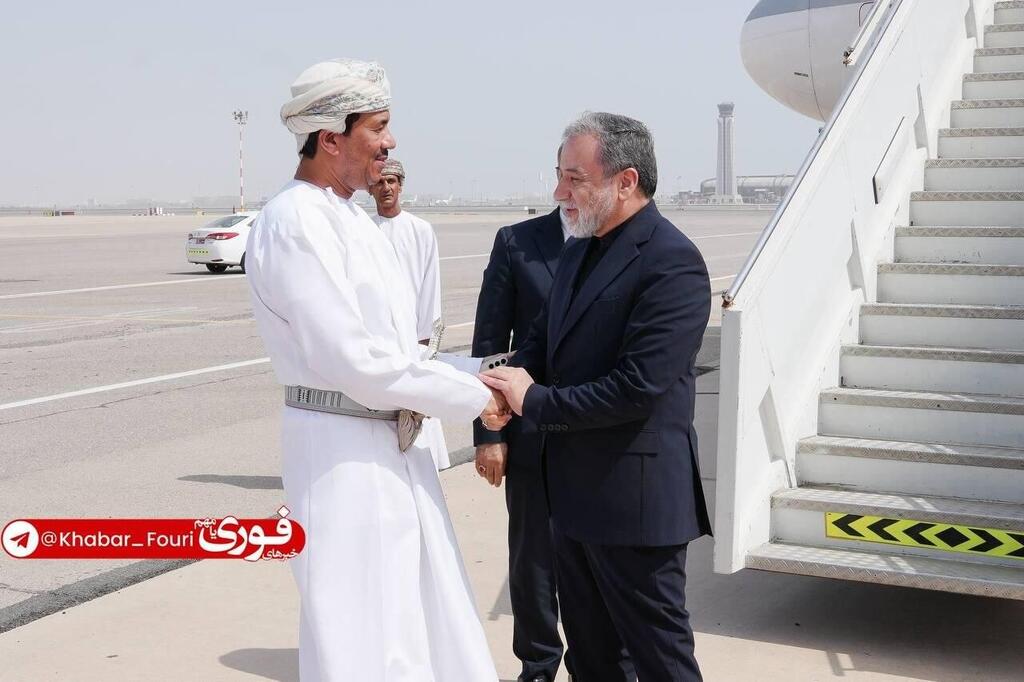
Iranian Foreign Minister Abbas Araghchi arrived in Oman on Friday
Qatari mediators were in Iran on Thursday in an attempt to persuade Tehran to halt the attacks and reopen the strait. However, Iranian officials continue to issue threats. “During these hot summer days, the brave defenders of the homeland from Iran’s armed forces, stationed along the coasts, islands, borders and other strategic locations, are closely monitoring enemy movements,” Iranian Foreign Ministry spokesman Esmail Baghaeiwrote on X. Iran’s state broadcaster, which promotes the regime’s messages, reported that “Iran is not prepared to continue negotiations due to U.S. noncompliance with the Islamabad understandings.”
During the two-month blockade, the U.S. blocked Iranian oil exports, striking at the country’s economic lifeline. Oil that could not be exported accumulated in storage facilities, leaving Tehran with a difficult choice: reduce production and risk damaging its oil fields or accept U.S. conditions.
The lifting of the blockade provided immediate relief. It allowed goods to enter the country and enabled Iran to export or transfer to storage facilities in neighboring countries such as China oil that had previously been stuck inside Iran or aboard tankers waiting in the Gulf. According to the Journal’s analysis, food shipments also increased. Although some agricultural products were exempt from the blockade, many shipping companies avoided transporting them due to potential legal risks associated with doing business with Iran. Some Iranian officials feared that dwindling food supplies could trigger a wave of protests – something Israel and likely the U.S. had hoped for.
Despite ships continuing to move, Iran now faces another obstacle after the U.S. announced it was revoking the sanctions relief granted to Iranian oil following the ceasefire.
According to analysts who spoke with the Journal, Iran risks pushing the situation too far. After fighting resumed this week, U.S. President Donald Trump cancelled the sanctions waiver and said the U.S. Navy could reimpose the blockade and begin attacking or detaining vessels leaving Iran if Tehran continues targeting ships in the strait.