

Our home in one of Beirut’s upscale neighborhoods filled with relatives last week after families fled warnings by the IDF to evacuate parts of southern Lebanon, underscoring the growing displacement, economic strain and internal tensions across the country.
This time, I was the one who picked up my sister-in-law, her husband and their children from Dahieh — a predominantly Shiite suburb in southern Beirut associated with Hezbollah — after they were warned by the IDF to leave their homes immediately.
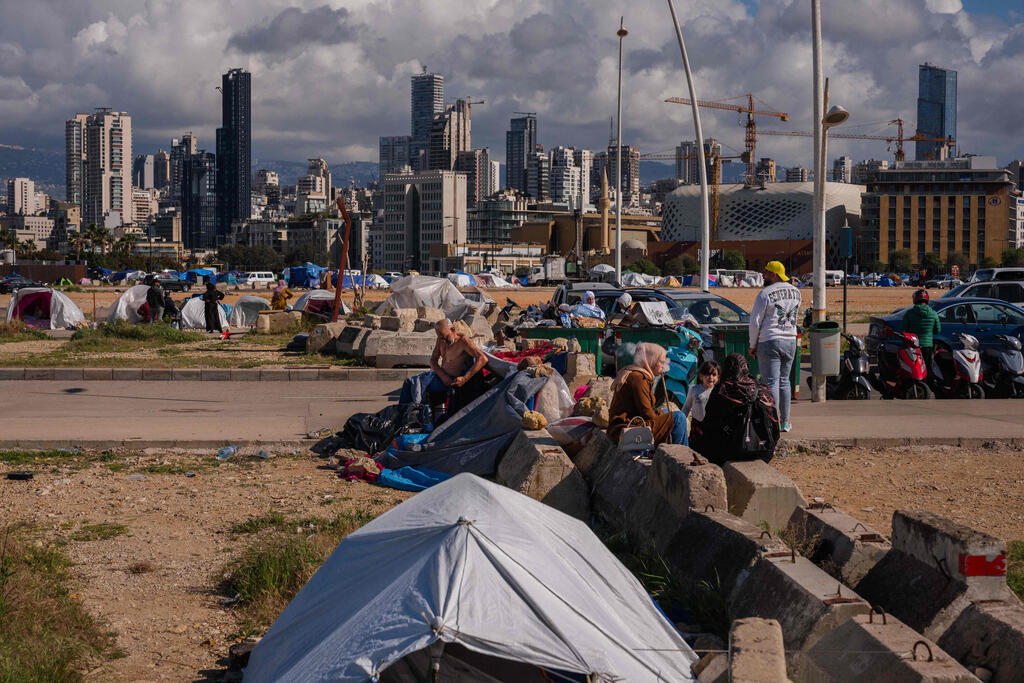
Scenes of displacement are now widespread. While some families have returned to Beirut’s southern suburbs following the announcement of a ceasefire, many others remain uprooted, and tensions are spilling into public arguments.
Yesterday, I witnessed a heated argument between a grocery store owner and a woman from southern Lebanon, Miriam, who is also staying in the neighborhood. She surprised him when she described how Hezbollah operatives entered her home and stored weapons and ammunition in the basement. Her son had been treated at an IDF field hospital. When the shopkeeper voiced strong opposition to the IDF, she replied: “You need to come and see the dedicated care they gave my son.” The argument escalated, and the shopkeeper told her to take her goods and leave.
Near a bookstore, I encountered another argument, this time between a Shiite Muslim woman and a Maronite Christian — a member of Lebanon’s largest Christian community. The Shiite woman expressed disappointment with Hezbollah, saying, “They are deceiving us,” while the Maronite accused President Joseph Aoun of yielding to “Americans and Zionists,” a common regional term referring to Israel or its supporters.
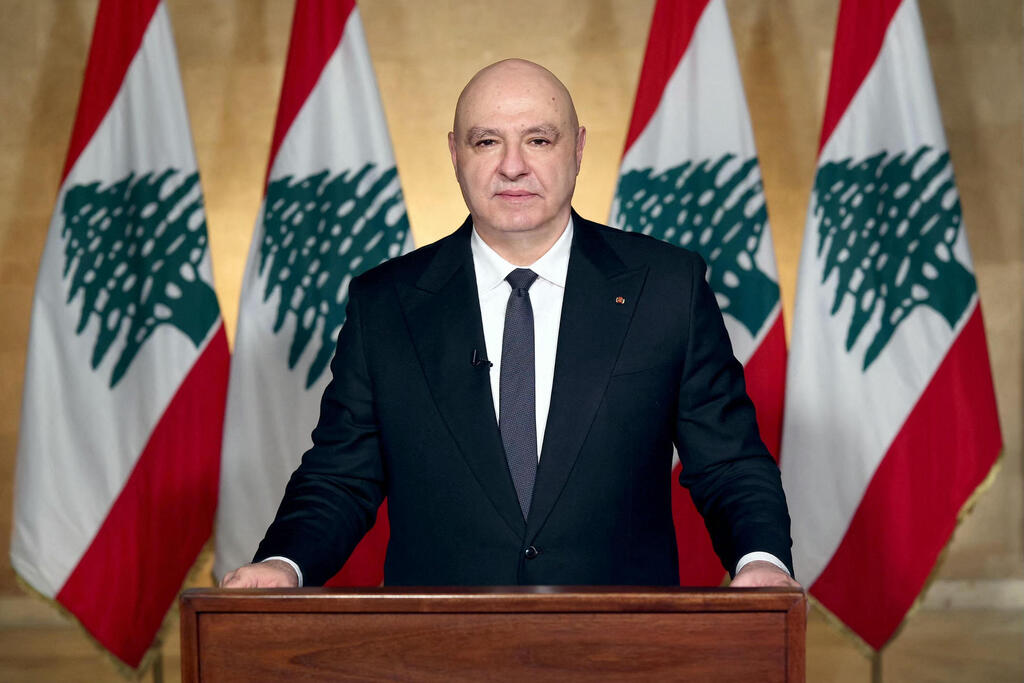
(Photo: AFP PHOTO / LEBANESE PRESIDENCY)
In most parts of Lebanon, there is no money. The economic situation is worsening. Nadia, whom I have known for many years, has been collecting donations to purchase food. Her husband placed the blame on the Lebanese government. “It’s not Hezbollah,” he said. “They are actually trying to help.” But Nadia qualified that claim: “Only for members of their sect — the Shiites.”
When I sit with people, they point to the crowded roads filled with those fleeing their homes. There are no apartments left for rent in Beirut. Hotels are charging three times their usual prices.
In a new tent encampment in the heart of Beirut, I met Issa, who told me how he fled with his family to the north, but “the residents didn’t want us,” he said. “One of them pulled out a weapon and threatened us to leave. My daughters screamed in fear. We had to run again.” This time, they reached a crowded encampment in Dahieh, where they were told it was no longer dangerous because the IDF had pledged to halt its attacks.
“I am filled with a desire for revenge and ask myself which direction to fire — Hezbollah or the IDF?” Issa said. When I asked him what he wants in the end, he replied: “Not peace and not normalization. I want a long-term ceasefire. That they stop the fire on both sides and leave us alone.”
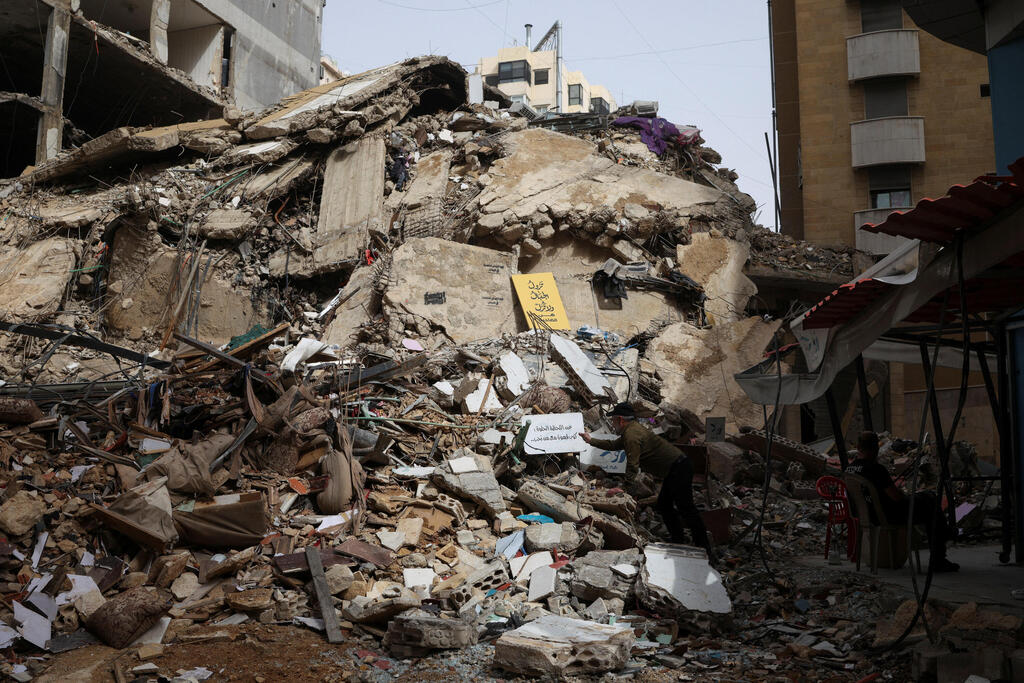
Dahieh
(Photo: REUTERS/Marko Djurica)
We must recognize the fear among Lebanese civilians of a devastating civil war, potentially initiated by Hezbollah, which has already warned that any talks between Israeli and Lebanese leaders would amount to Lebanon yielding to dictates.
Parliament Speaker Nabih Berri, a veteran Shiite political figure, has quietly signaled agreement to a meeting between Lebanese and Israeli ambassadors in Washington, “but nothing beyond that.”
Hezbollah officials have raised their tone. Mahmoud Qamati, deputy head of the group’s political council and a former minister, said: “We will not allow such negotiations to take place. The government does not want it. The Lebanese people do not want it.” He also called on residents of southern Lebanon not to return home, warning their lives are at risk.
Samah, a faculty member at a Beirut university, told me: “In the joint photo of Lebanon’s ambassador with Israel’s ambassador in Washington, I see a plot. Suddenly, in one moment, they erase the bloodstains and declare a new history?”
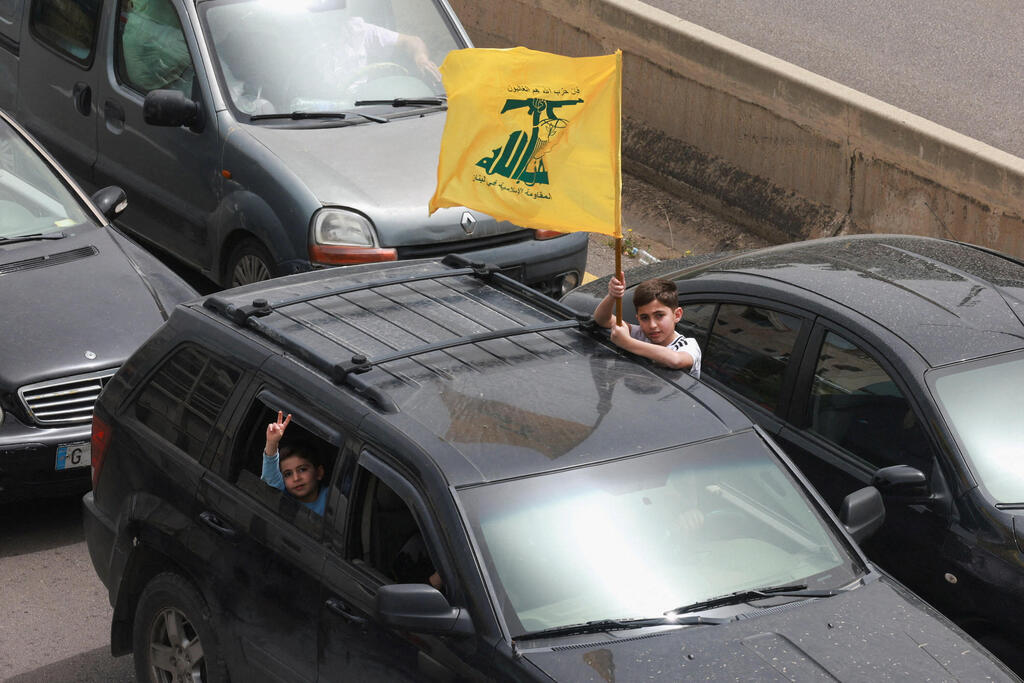
Sidon
(Photo: REUTERS/Aziz Taher)
Yesterday, the “regular group” gathered at my home — Maronites, Sunni Muslims and two Druze, a small religious community in Lebanon. We watched American news channels, drank tea and coffee, and analyzed the situation. Almost all of us would like to visit Israel. We made friends there during studies abroad. But even if there is significant progress in relations, I would not recommend that Israelis come to Lebanon. It could cost them their lives.
One development that is largely overlooked in Israel: there are signs of growing closeness between the presidents of Syria and Lebanon, both seen as rivals to Iran. Some here suggest, in opinion pieces, moving together — Damascus and Beirut — toward reconciliation with Israel. That would add strength and significance. I support that as well.
Think about how this looks from the Lebanese side: under U.S. pressure, the IDF stopped striking Dahieh and Beirut, but it remains present in southern Lebanon, where most residents have fled. And there is a belief that Hezbollah has suffered a decisive blow? It continues to operate, recruit and maintain positions at key junctions. It has not left the south.
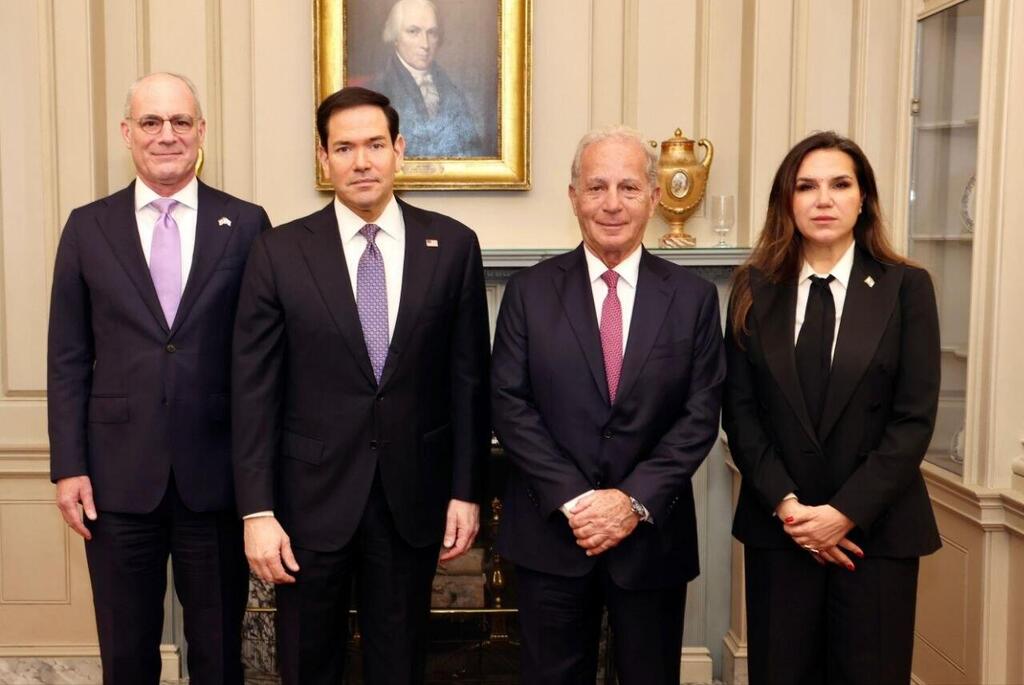
(Photo: Israeli Embassy in Washington)
President Aoun knows that any contact with Prime Minister Benjamin Netanyahu — even if mediated by the United States — would immediately be interpreted as normalization. He will not agree to be seen as the weaker side in the equation. He insists Lebanon must be in an equal position in any negotiations, and therefore has not responded to U.S. pressure to initiate contact, fearing it could disrupt Lebanon’s fragile internal balance.
I tried to imagine the reception ceremony that would be held for Netanyahu on a first visit to Beirut. We Lebanese excel at ceremonies. Then I woke up. It will not happen, I told myself. Lebanon, with all its complexities, cannot allow it. Nor will the Lebanese president visit Jerusalem.
And still, in a faint voice, I tell myself: peace will come, even if the road is full of obstacles. When will it happen? I am not sure it will be during Netanyahu’s time. There are too many scores to settle between us.