


Community gates are left open, guards are nowhere to be seen and standby readiness is thinning. After the Israel Defense Forces implemented its recent decision to further reduce the number of reserve soldier posts assigned to Gaza border communities, residents are voicing deep concern.
“It’s absurd that this is happening while Prime Minister Benjamin Netanyahu tells President Trump there are 60,000 Kalashnikov rifles in Gaza,” Yishai Spaz, a member of the standby squad in the moshav of Yated and an activist with the Gaza Border Forum, told ynet.
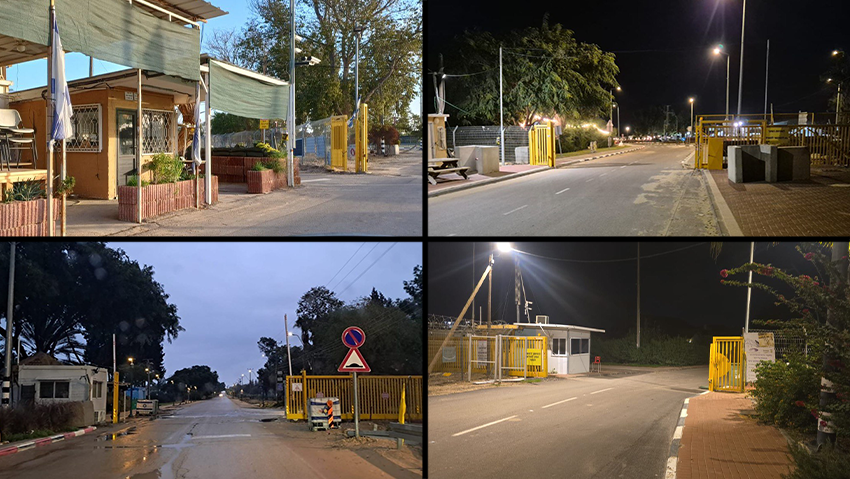
The practical impact of the military’s decision is clear: fewer fighters available in communities, gates left without constant guards and security based largely on internal patrols. Under the new arrangement, fewer reservists will be paid for standby duty unless the community itself chooses to cover the cost.
The move is part of a broader IDF cut affecting thousands of reserve posts assigned to regional defense missions in frontline communities and in the West Bank. The military said the decision stems from a directive by the political leadership, previously reported by Ynet, to reduce the number of reservists planned for the coming year from 60,000 to 40,000.
The cuts are felt most acutely in communities located four to seven kilometers (2.5 to 4.3 miles) from the Gaza border, which the IDF defines as “core communities.” In these areas, staffing has been reduced to three reservists, along with a local security coordinator and a deputy. As a result, there is no longer sufficient manpower to maintain a permanent guard at the entrance gate, forcing communities to forgo gate security altogether. In the absence of guards, the remaining fighters conduct patrols inside the communities.
Among residents who lived through the October 7 massacre, a sharp decline in their sense of security is evident. Local security coordinators have updated residents accordingly. In Yated, which was infiltrated by Hamas gunmen two years and two months ago, residents received a message stating that as of Dec. 31, 2025, the standby squad would end gate guard duty and that overnight security would consist of patrols only, with residents opening the gate themselves.
Similar notices were sent in the moshavim of Mivtahim and Pri Gan, where deadly fighting also took place during the Hamas infiltration. “The gate guard is the strongest symbol,” Spaz said. “This week was the last night there were guards at the entrances. For more than two years after the infiltrations, residents entered through a gate with someone checking and watching. It makes a difference.”
Spaz criticized what he described as contradictory messaging. “It’s absurd this is happening before Hamas is dismantled and disarmed,” he said. “Don’t cut our standby squads. Say the truth — there’s no budget and you have to thin forces. But don’t tell us the enemy is weak while telling the Knesset that Hamas is strengthening.”
He added that senior officers have told residents they can sleep peacefully, while lawmakers are warned the threat is growing. “If you remove the guard at the gate and say ‘we changed reality,’ it doesn’t add up,” he said.
In Mivtahim, residents described a community that is nearly completely open. A local security official said there is no gate guard during the day and limited coverage at night, which is also expected to be cut. “The gate is open, there’s no one there and anyone can enter freely,” he said.
He said the damage is operational as well. “The standby squad may have equipment at home, but with fewer reserve days they aren’t obligated to be available. That means there is no real readiness.” He added that plans to install a perimeter fence have repeatedly stalled due to planning issues or lack of funding.
The cuts have also reopened deep trauma. Efrat, the sister of Mivtahim’s security coordinator Dan Assouline, who was killed defending the moshav on October 7, said the situation has revived her fears. She was trapped in her parents’ safe room while gunmen barricaded themselves inside the house.
“I haven’t been sleeping for nights,” she said. “Hamas hasn’t been defeated, and we’re afraid of what’s next. Are we heading toward another October 7? This is not the time to cut our security.”
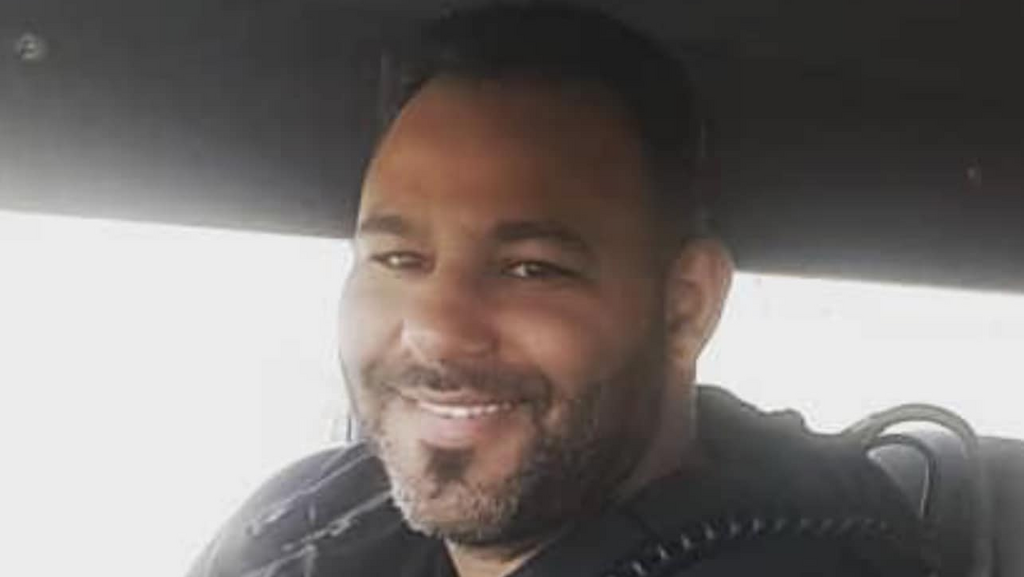
Dan Assouline, who was killed defending moshav Mivtahim on October 7
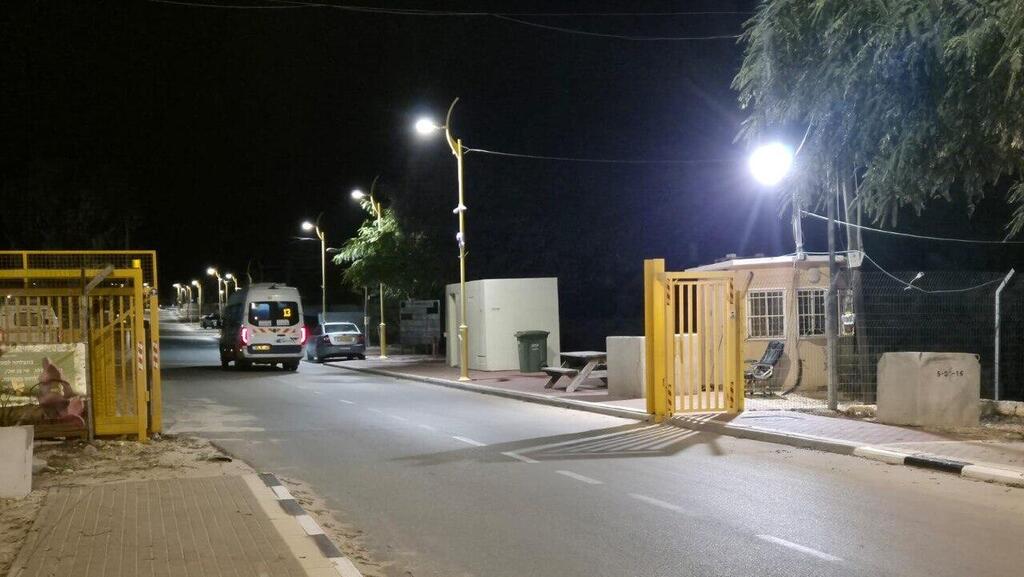
The gate of Moshav Mivtachim
Another security coordinator in a Gaza border moshav said communities at similar distances from the border are being treated differently. “There is discrimination,” he said, claiming kibbutzim have not faced the same reductions as nearby moshavim. “Decide whether there is a threat or not. A community should not have to pay for its own standby squad — that’s the army’s responsibility.”
In a statement, the IDF said the number of members in local defense units and the number of weapons in western Negev communities have not changed and there is no intention to reduce them. The only change, it said, involves closing active reserve duty days, not the size of the armed and trained defense units.
“The IDF is committed to the protection and security of Gaza border residents and will continue to act accordingly as required,” the statement said.