

The community of Shlomit is located in the southern Gaza border region, a short distance from the Strip and about a kilometer from the Egyptian border. According to the Tkuma Directorate, 20 babies were born in the community of around 600 residents during 2025.
One of the families that joined the community is the Amar family. Oshrit and Nissim Amar, parents of baby Ari, moved to Shlomit over the past year.
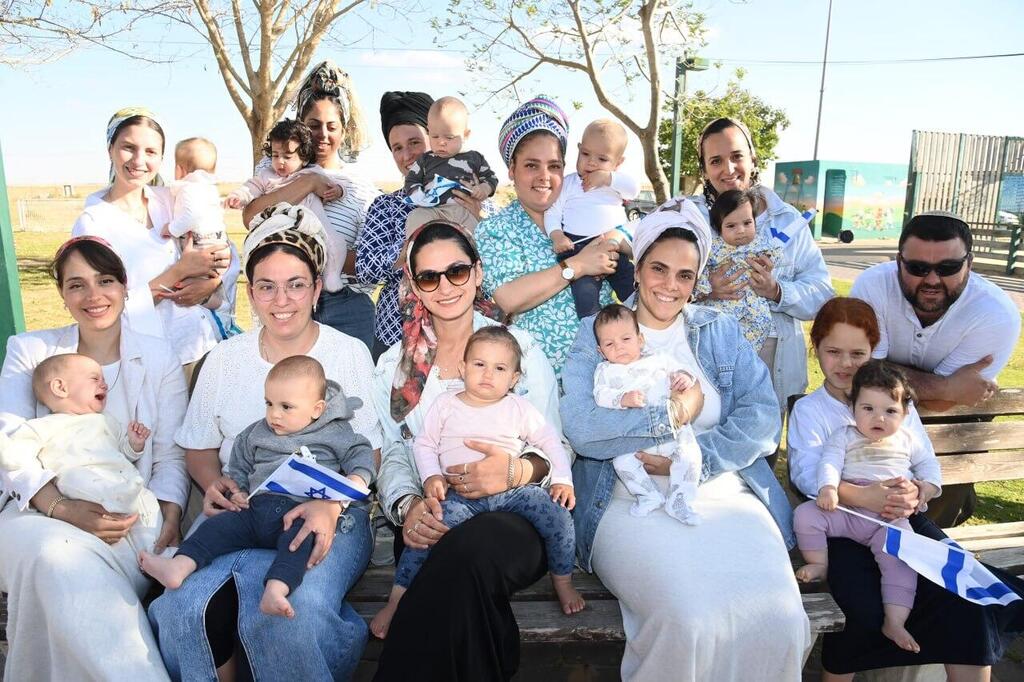
“When we passed through the entrance gate to the community, I told Nissim, ‘This is where I want to live,’” Oshrit said. “There was something special about the atmosphere and the place, even before we met the residents.
“We completed the acceptance process, bought a plot of land in 2023 and were supposed to begin construction right after Simchat Torah, but then October 7 happened.”
The attack did not deter you?
“After October 7, family and friends tried to talk us out of it. They said we were crazy. I won’t lie and say there wasn’t fear, but then suddenly we felt even more committed to this place and to our country. Nissim always says that if everyone says they are afraid, in the end there will be no army and no state here.”
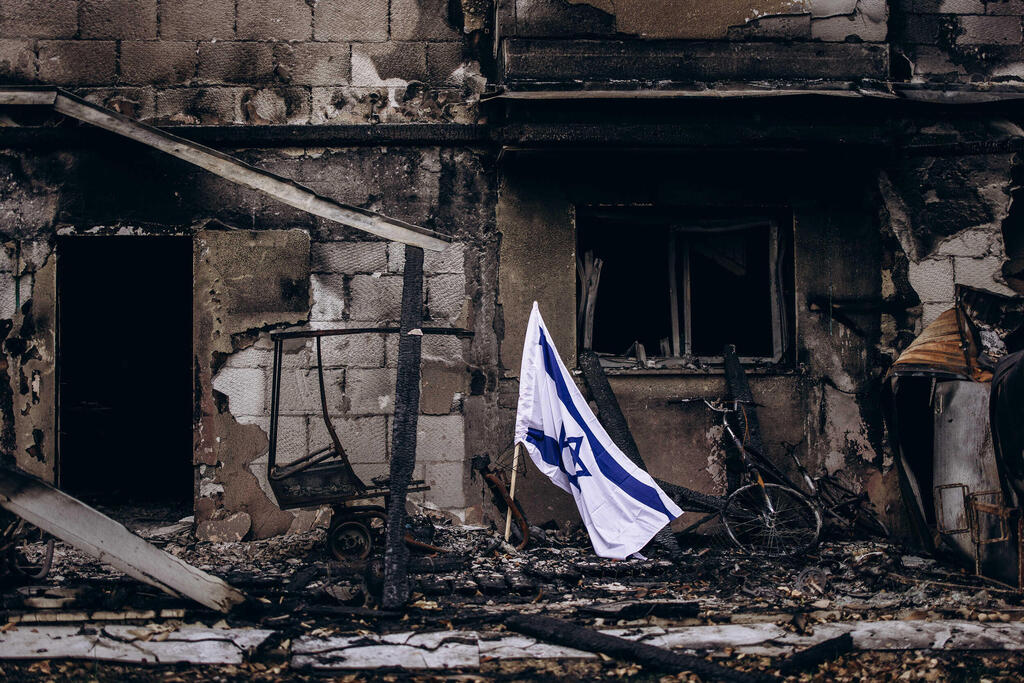
From the exhibition 'Be’eri'
(Photo: Micah Brickman)
Their fifth son was born on March 25, 2026. “Who would have believed we’d return to the Gaza border region and bring children into the world in a time like this? We are strong. We will build homes here, bring children into the world and make the bleeding land flourish. The people of Israel live on.”
Other Gaza border communities also recorded significant birth rates in 2025, a total of 107 babies were born in small communities nearby Gaza.
The Be’eri community, which has still not returned home, welcomed 18 babies during 2025, while the Kfar Aza community welcomed 11 newborns. As of Thursday, the Tkuma Directorate reported that about 93% of residents had returned to live in the Gaza border region.
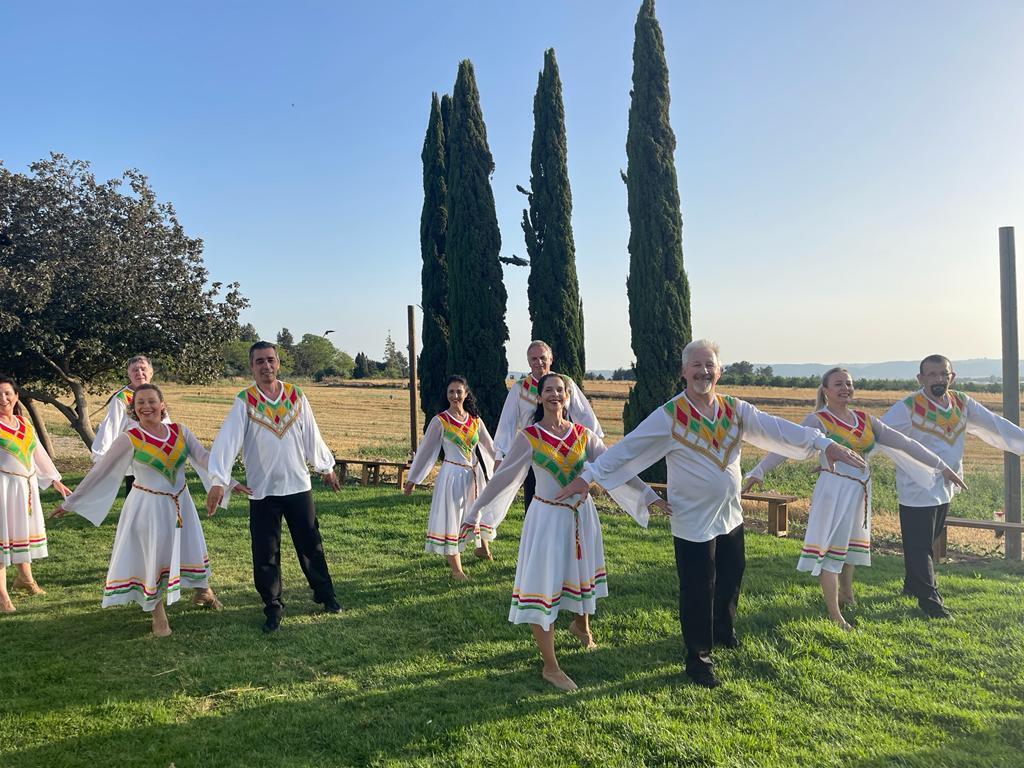
'Milk and honey' festival in the Jezreel Valley
(Photo: Jezreel Valley Regional Council)
Meanwhile, dozens of new immigrants who arrived in Israel over the past year and were absorbed at the absorption center in Kibbutz Merhavia in the Jezreel Valley were set to celebrate their first Shavuot in the country on Thursday. In recent days, the immigrants learned about the agricultural traditions of the pioneers, practiced in the valley for more than 100 years.
“Shavuot is the holiday of the valley. A holiday of land, fields and a living, growing community,” said Shlomit Shihor-Reichman, head of the Jezreel Valley Regional Council. “To see new immigrant families choosing to build their homes in the valley is a moving reminder of the power of an embracing community and the hope that continues to grow here every day.”